

Last updated: November 2026
Yes, chickens can eat pumpkin seeds. Raw or plain roasted seeds are a safe, healthy treat that most hens go wild for, as long as they are unsalted, unseasoned and fed in moderation. Like every treat, pumpkin seeds should stay a small extra on top of a complete layer feed, not a replacement for it.
This guide covers what pumpkin seeds offer your flock, the real risks, how much to feed, the truth about the “natural dewormer” claim and a few safe alternatives. If you’re carving pumpkins this season, the leftovers can go straight to the coop.
Key takeaways
- Safe treat: raw or plain roasted pumpkin seeds are fine for adult chickens.
- No salt, sugar or spice: seasoned snack seeds and pie leftovers stay off the menu.
- Treats under 10%: at least 90% of the diet should be complete layer feed.
- Not a proven dewormer: see a vet for a fecal test if you suspect worms.
In this guide
Can Chickens Eat Pumpkin Seeds?
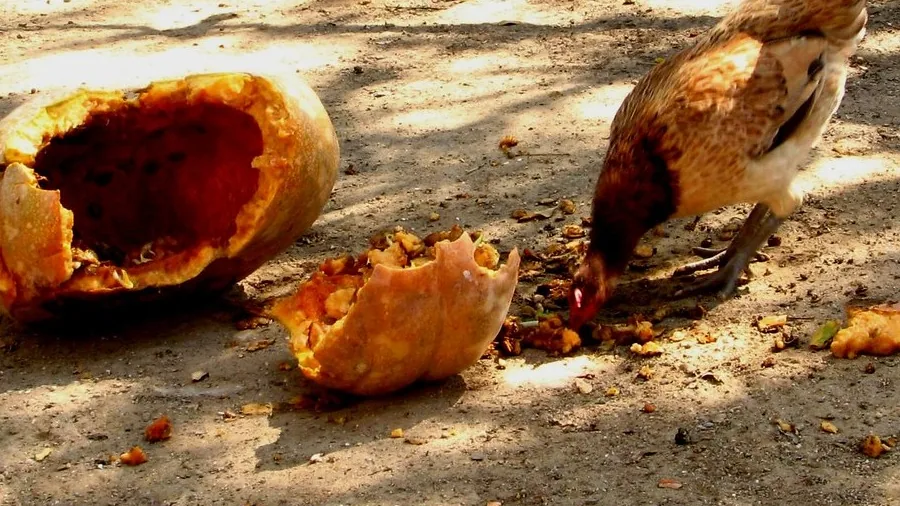
Pumpkin seeds are not toxic to chickens. Hens can eat them whole, shell and all, straight out of a freshly cut pumpkin. Standard-size birds swallow them easily, and the shells give them a little extra fiber.
The flesh and stringy pulp are safe too, so you can split a pumpkin open and let the flock pick it clean. That also answers a common follow-up question: can chickens eat pumpkin? Yes. Ripe pumpkin flesh, seeds and pulp are all fine in treat-size amounts.
Benefits of Pumpkin Seeds for Chickens
Pumpkin seeds are a nutrient-dense snack. They contain protein, healthy fats, fiber and minerals such as zinc and magnesium. For chickens, the main benefits are practical ones:
- Enrichment: pecking seeds out of a pumpkin keeps hens busy, which helps on days they’re cooped up or bored in winter.
- Extra energy in cold weather: the fat in the seeds is an energy boost when temperatures drop.
- Less waste: leftover jack-o’-lantern and cooking scraps become a treat instead of trash.
- Easy taming tool: a handful of seeds is a good way to get shy birds to come to you.
What pumpkin seeds don’t do is balance a diet. They lack the calcium laying hens need for strong shells, which is why they must stay a treat. If you want ideas for more healthy extras, our guide to herbs and spices for chickens covers other flock-friendly additions.
Risks and What to Avoid
Plain pumpkin seeds are low-risk. The problems come from how they’re prepared and how much is offered:
- Salt and seasoning: store-bought snack seeds are often heavily salted or flavored. Skip them.
- Sugar and spice: don’t feed pumpkin pie filling, spiced leftovers or anything with added sugar.
- Mold: pumpkins left on the porch can rot and grow mold. Moldy food can make chickens sick, so compost it instead.
- Overfeeding: seeds are high in fat. Too many treats crowd out layer feed and can lead to fewer eggs, thin shells or overweight birds.
- Size for small birds: bantams and young birds may do better with crushed or chopped seeds.
Watch the pumpkin, not just the seeds. Painted, glittered or wax-coated decorative pumpkins, and any pumpkin that has started to rot, shouldn’t go to the flock. Use fresh, clean pumpkins only.
How Much and How Often to Feed
Keep all treats combined to no more than about 10% of the diet. The other 90% or more should be a complete layer feed, which supplies the protein, vitamins and calcium hens need. Feed companies point out that scraps and seeds aren’t fortified, so hens that fill up on them can end up short on calcium for eggshells.
In practice, a handful of seeds shared among a few hens a few times a week is plenty. Offer treats later in the day, after the birds have eaten their regular feed. If your flock is also getting other scraps, cut back on seeds that day. Our complete guide to what chickens can eat has a full list of safe treats to rotate.
Make sure hens have free access to oyster shell and grit as well, especially if they get treats often.
How to Prepare Pumpkin Seeds for Chickens
There’s no need to clean, cook or shell the seeds. Pick one of these easy options:
- Raw and whole: scoop the seeds and pulp out of the pumpkin and scatter them in the run.
- Split pumpkin: cut a fresh pumpkin in half and let the hens peck out the seeds and flesh themselves.
- Plain roasted: roast seeds on a dry tray with no oil, salt or seasoning, then cool before serving.
- Crushed: pulse seeds briefly in a food processor for bantams or young birds.
- Dried for later: spread clean seeds out to dry fully, then store them in an airtight container for winter treats.
Remove anything the flock hasn’t finished within a day so it doesn’t spoil or attract rodents.

Do Pumpkin Seeds Deworm Chickens?
You’ll often read that pumpkin seeds are a natural dewormer for chickens. The evidence doesn’t back that up. Pumpkin seeds contain a compound called cucurbitin that has shown effects on worms in lab tests, but there are no solid studies showing that feeding pumpkin seeds clears worms from chickens, or how much would be needed.
Feed pumpkin seeds because your hens enjoy them, not as medicine. If you notice weight loss, pale combs, diarrhea or a drop in laying, take a droppings sample to a vet for a fecal test and treat based on the result. Our guide to veterinary care for chickens explains how to find a poultry vet.
Watch: Do pumpkins deworm chickens?
This short video from a long-running backyard chicken channel looks at the pumpkin dewormer claim.
Safe Alternatives to Pumpkin Seeds
If you don’t have pumpkins on hand, these treats offer similar fun and nutrition. Keep them all within the same 10% treat allowance.
| Treat | Why it works | How to serve |
|---|---|---|
| Squash and zucchini | Same family as pumpkin, seeds included | Halved or chopped, raw or cooked plain |
| Sunflower seeds | High-energy seed treat | Unsalted, in small amounts |
| Leafy greens | Low-calorie and good for foraging | Hung in a bunch or chopped |
| Grapes | Sweet, hydrating treat | Halved or chopped, see our grapes guide |
| Mealworms | Protein boost, especially during molt | A small handful, dried or live |
Pro tip: Hang a halved pumpkin or a cabbage just above head height in the run. Your hens will work for every bite, which keeps boredom and feather pecking down in winter.
Helpful gear for this guide
Handy picks that match the advice above.
Quick Reference: Pumpkin Seeds for Chickens

FAQ
Can chickens eat raw pumpkin seeds?
Yes. Raw pumpkin seeds are safe and need no cleaning or cooking. Chickens can eat them whole, with the shell on.
Can chickens eat roasted pumpkin seeds?
Yes, if they are roasted plain with no salt, oil or seasoning. Store-bought salted or flavored seeds aren’t suitable.
Can baby chicks eat pumpkin seeds?
It’s best to wait. Young chicks should eat chick starter only for their first weeks. When you do start treats, offer finely crushed seeds in tiny amounts.
Can chickens eat pumpkin guts and flesh?
Yes. The stringy pulp and ripe flesh are safe and most hens love them. Just avoid moldy or rotting pumpkin.
Are pumpkin seeds a natural dewormer for chickens?
There’s no reliable evidence that they are. Use a vet fecal test to check for worms and follow your vet’s treatment advice.
Sources
- Treats and Snacks: Are They Good for My Hens? (Purina Animal Nutrition)
- The Truth About Chickens and Pumpkin Seeds (The Chicken Chick)
This guide is general information. For a sick bird or questions about worms, talk to a vet who treats poultry.
This guide contains affiliate links. As an Amazon Associate, FarmingAround earns from qualifying purchases, at no extra cost to you.


One Comment