

Last updated: November 2026
The best herbs for chickens are common kitchen-garden plants such as oregano, thyme, parsley, basil, mint, dill, cilantro and lavender, and the safest spices are mild ones like cinnamon and turmeric, plus small amounts of garlic and red pepper. Chickens can eat all of these in moderation, fresh or dried, as a treat or a sprinkle over feed. They add flavor, variety and enrichment, but they don’t replace a complete layer feed, vaccines or vet care.
Below: the herbs and spices worth using, what the research really shows, how much to offer, what to avoid, and easy ways to use herbs in the run and nest boxes.
Key takeaways
- Top picks: oregano, thyme, parsley, basil, mint, dill, cilantro and lavender.
- Spices: cinnamon, turmeric, garlic and cayenne are fine in small pinches; skip salty blends and onion powder.
- Treat, not medicine: herbs and spices count toward the 10% treat limit and don’t cure disease.
- Never add undiluted essential oils to feed or water; they are far stronger than the plant.
In this guide
Best Herbs for Chickens
Any culinary herb you’d happily eat yourself is generally safe for chickens. These are the easiest to grow and the ones flocks tend to enjoy:
| Herb | Why keepers use it | How to offer |
|---|---|---|
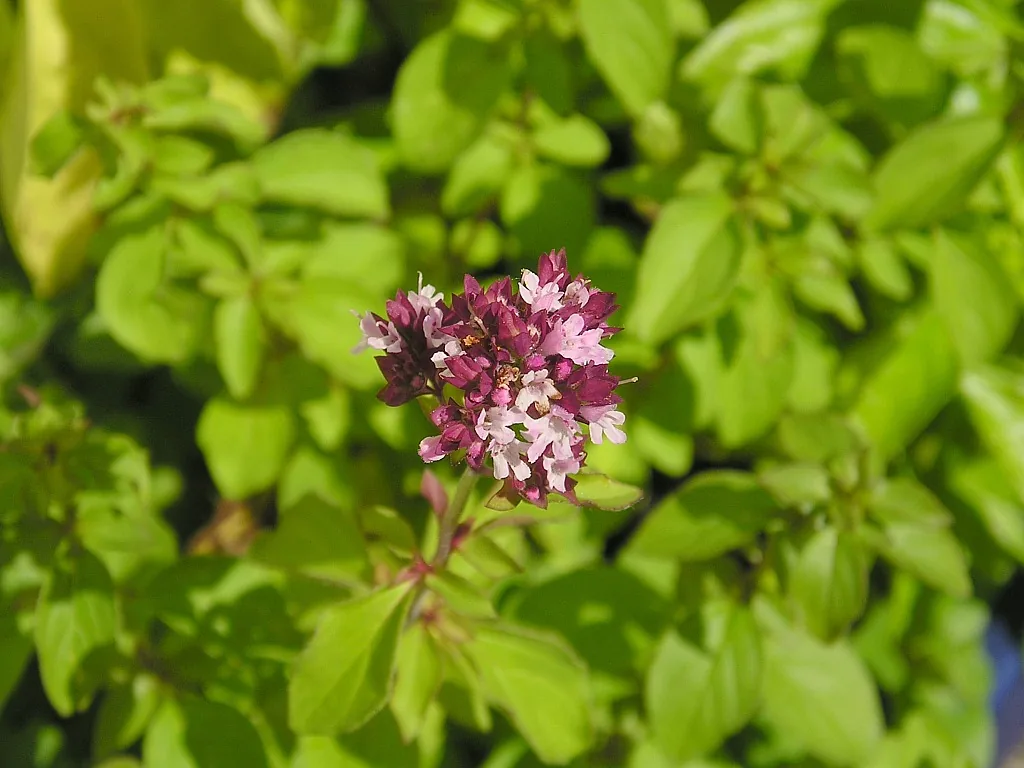
| Oregano | Strong aroma; its oil has been studied as a poultry feed additive | Fresh sprigs or a pinch of dried |
| Thyme | Aromatic, hardy perennial that handles pecking well | Fresh sprigs, dried in nest boxes |
| Parsley | Leafy, mild, rich in vitamins A and K | Chopped fresh |
| Basil | Tender leaves birds eat readily | Torn fresh leaves |
| Mint | Fresh scent in coops and nest boxes | Fresh or dried; grow in a pot, it spreads |
| Dill and cilantro | Fast-growing, easy from seed | Whole sprigs or chopped |
| Lavender | Pleasant scent in nest boxes | Dried flowers in bedding |
| Sage and rosemary | Woody perennials that survive free-ranging birds | Small sprigs |
Best Spices for Chickens
Dried spices are much more concentrated than fresh herbs, so a little goes a long way.
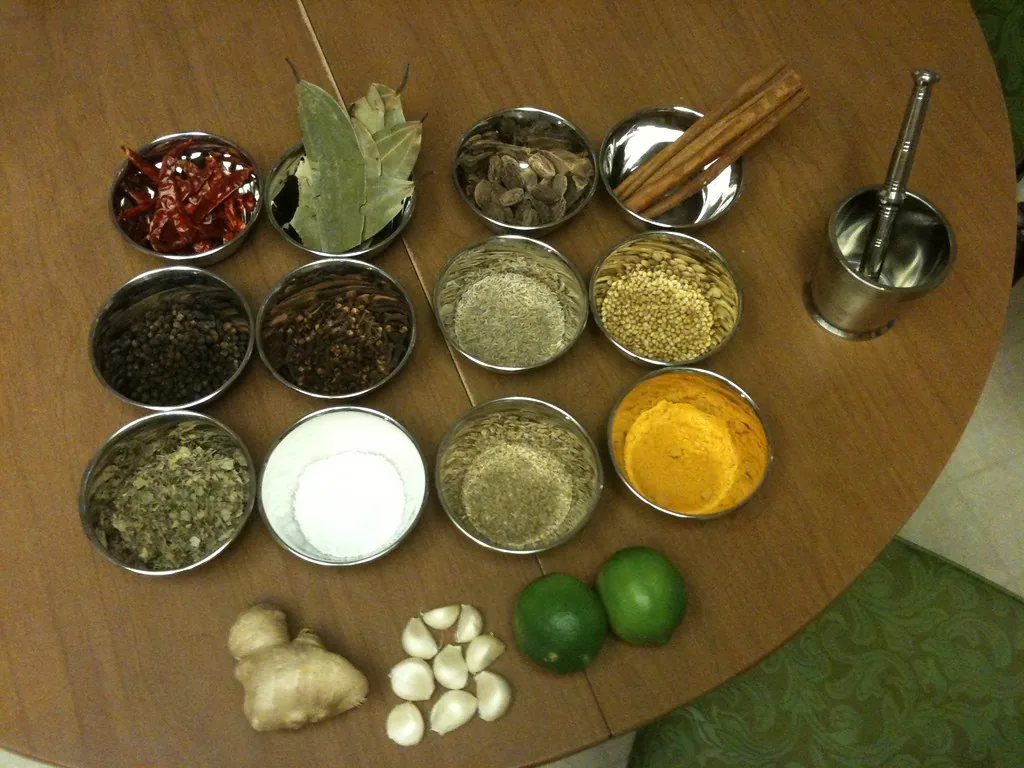
- Cinnamon: safe in small sprinkles over scratch or treats.
- Turmeric: a pinch mixed into a treat is fine; researchers have tested it as a feed additive in commercial poultry.
- Garlic: fresh or powdered garlic in small amounts is widely used by keepers. Keep it occasional.
- Cayenne and red pepper flakes: birds don’t react to the heat of chili peppers the way mammals do, so chickens eat them happily. Claims that cayenne boosts winter laying aren’t backed by good evidence.
- Black pepper, ginger and cumin: fine in tiny amounts, but they offer no special benefit.
Do Herbs Really Help Chickens?
Here’s the honest picture. Most “herbal remedy” claims you’ll read online come from keepers’ experience, not controlled trials. The research that does exist mostly looks at concentrated plant extracts and essential oils mixed into commercial feed at measured doses. For example, a 2013 study in broiler chickens found that a commercial blend of essential oils improved weight gain and feed efficiency at certain inclusion rates. That doesn’t mean a handful of oregano will prevent coccidiosis in your backyard flock.
What fresh and dried herbs reliably do offer:
- Variety and enrichment. Pecking at hanging bundles keeps birds busy, which helps reduce boredom in a confined run.
- Small amounts of vitamins and plant compounds, much like other leafy greens.
- A fresher-smelling coop when dried herbs are mixed into nest box bedding.
Herbs are not a treatment. A bird that is lethargic, fluffed up, not eating, or has bloody droppings needs a proper diagnosis. Don’t delay vet care, vaccines or medicated feed in the hope that herbs will fix it.
Risks and What to Avoid
- Undiluted essential oils: never add them to drinking water or feed. They are highly concentrated and can irritate a bird’s mouth and airways.
- Salty seasonings: skip salt, bouillon, garlic salt and spice rubs.
- Onions and onion powder: large amounts of onion can damage red blood cells in many animals. Leave them out.
- Nutmeg in quantity: large amounts are toxic to many animals; there’s no reason to feed it.
- Toxic garden plants: keep birds away from foxglove, lily of the valley, oleander, daffodils and other ornamental poisonous plants that sometimes grow near herb beds.
- Comfrey: popular with some keepers, but it contains pyrrolizidine alkaloids that can harm the liver. If you use it, keep it occasional.
- Moldy or old herbs: throw out anything damp, musty or moldy.
How Much and How Often
Herbs and spices are treats, so they share the same limit: treats should make up no more than about 10% of a hen’s diet, with complete layer feed making up the rest.
- Fresh herbs: a small bundle hung in the run for a few hens, a few times a week. Let birds pick at it and remove what’s left.
- Dried herbs: a light pinch sprinkled over a day’s ration or a scoop of scratch, not a heavy coating.
- Spices: a pinch for the whole flock, not per bird, and not every day.
- Fruit treats are sugarier than herbs, so keep them small too; see can chickens eat grapes for portion sizes.
- Chicks: keep them on chick starter. Once they’re a few weeks old you can offer a little finely chopped fresh herb along with chick grit.
For a full list of safe treats and the foods chickens should never eat, see our guide on what chickens can eat.
How to Use Herbs and Spices
- Hang bundles. Tie fresh sprigs with string and hang them at beak height, or use a hanging vegetable skewer feeder so the greens stay off the ground.
- Chop into treats. Mix chopped herbs into a small bowl of greens or a little scratch.
- Sprinkle on feed. Add a light pinch of dried herbs to the day’s ration for variety.
- Freshen nest boxes. Tuck dried lavender, mint or thyme into the bedding and replace it when you change the bedding.
Pro tip: in winter, when your flock spends more time inside, a bundle of dried herbs hung in the coop gives them something to peck at besides each other.
Watch: Best Herbs for Chickens
Here’s a short video on herbs that backyard keepers use in and around the coop.
Growing an Herb Patch for Your Flock
Chickens will flatten an unprotected herb bed in a day, so plan for that.
- Protect the roots: grow herbs under a wire panel or in a raised frame topped with hardware cloth so birds can nibble leaves that poke through without scratching up the plants.
- Choose tough perennials: oregano, thyme, sage, rosemary and mint come back year after year in suitable zones (most are hardy to USDA zones 5–9, rosemary to about zone 7).
- Sow quick annuals: basil, dill, cilantro and parsley grow easily from seed after your last frost (September to November in the Southern Hemisphere), or indoors in winter with our indoor herb garden guide.
New to keeping a flock? Start with our guide to raising chickens for beginners, and get the coop ready for cold weather with how to winterize a chicken coop.
Helpful gear for this guide
Handy picks that match the advice above.
Links go to Amazon. Prices and availability change, so check reviews and fit for your setup before buying.
Quick Reference
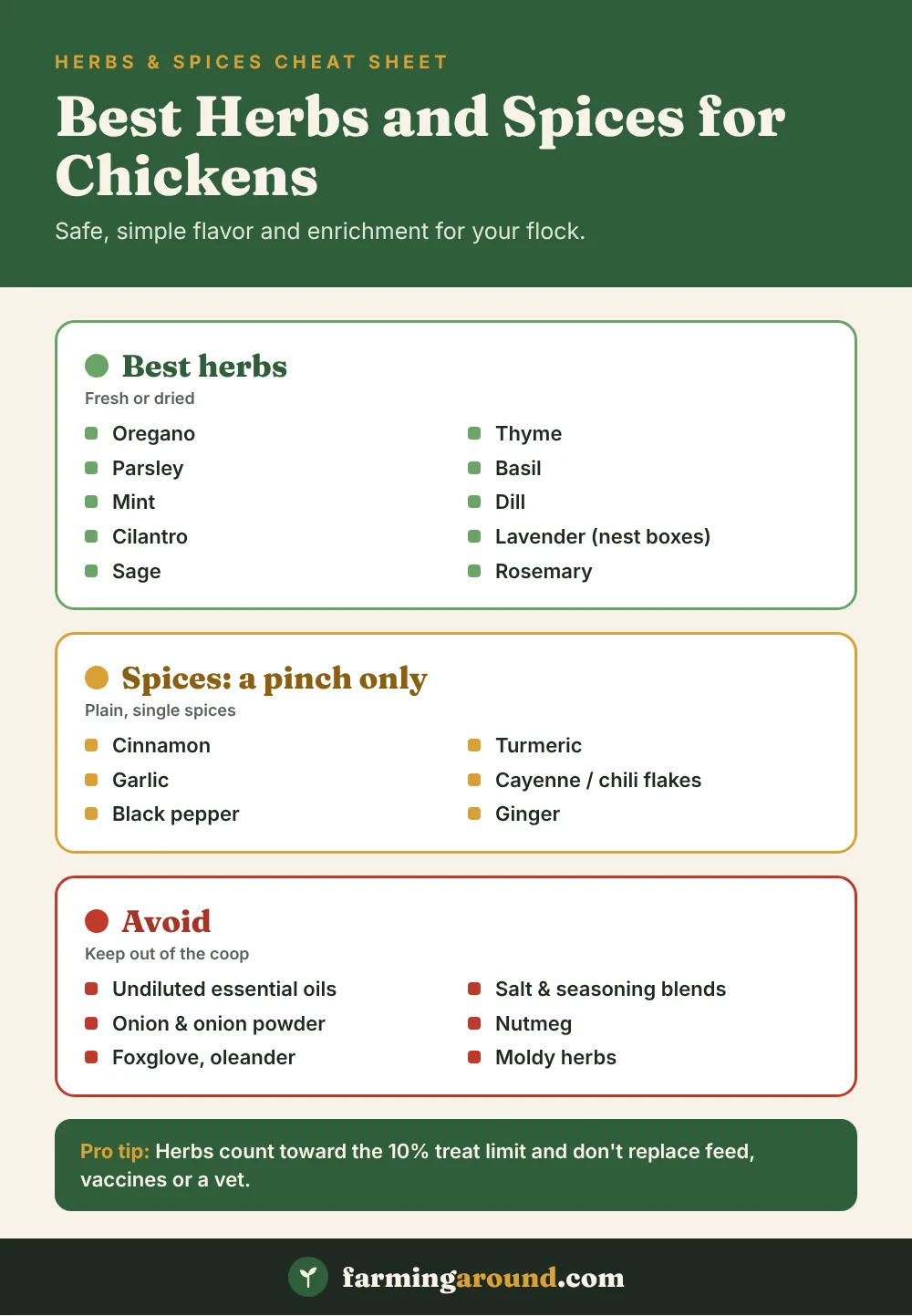
Save this cheat sheet for the next time you’re picking herbs for the coop:
FAQ
What herbs are good for laying hens?
Oregano, thyme, parsley, basil, mint, dill, cilantro and lavender are all safe and popular. Feed them as treats alongside a complete layer feed, which is what actually supports steady laying.
Is oregano a natural antibiotic for chickens?
Not in a way you can rely on. Oregano oil has been studied as a feed additive in commercial poultry, but sprinkling dried oregano is not a substitute for diagnosis or prescribed treatment.
Can chickens eat cinnamon?
Yes, in small sprinkles. Use plain ground cinnamon, not sugary cinnamon treats.
Can chickens eat garlic?
Yes, in small amounts now and then. Avoid garlic salt and other salty seasonings.
Can chickens eat spicy peppers?
Yes. Birds aren’t bothered by chili heat the way mammals are, so cayenne and pepper flakes are safe in small amounts.
What herbs are toxic to chickens?
Common culinary herbs are safe. The plants to keep birds away from are poisonous ornamentals like foxglove, lily of the valley, oleander and daffodils. Limit comfrey and never use undiluted essential oils.
Sources
- Khattak et al.: Effects of a natural blend of essential oil on growth performance of broiler chickens (PubMed Central)
- Purina Animal Nutrition: Chicken Treats, Are They Good for My Laying Hens?
- American Veterinary Medical Association: Backyard Chickens 101
Herbs are no substitute for professional care. If a bird seems unwell, contact a poultry vet or your local extension office.
This guide contains affiliate links. As an Amazon Associate, FarmingAround earns from qualifying purchases, at no extra cost to you.
Get free farming guides in your inbox
Practical guides, seasonal tips and market updates. No spam, unsubscribe anytime.
Subscribe free

4 Comments