


Last updated: November 2026
Yes, chickens can eat grapes, as long as you feed them as an occasional treat and in small amounts. Grapes are not toxic to chickens the way they are to dogs, but they are high in sugar, so one or two grapes per bird per day is plenty. Cut them in half or into quarters for bantams, chicks and young pullets so they can’t choke.
Below you’ll find what grapes offer your flock, the real risks (sugar, choking, mold and sprays), how much to feed, how to prepare them, and lower-sugar treats to rotate in instead.
Key takeaways
- Safe in moderation: red, green and black grapes, seeded or seedless, are fine for adult chickens.
- Keep it small: about 1–2 grapes per chicken per day, and all treats under 10% of the diet.
- Cut them up for chicks, bantams and pullets to prevent choking.
- Never feed moldy or fermented grapes, and wash off sprays before serving.
In this guide
Are Grapes Safe for Chickens?
Grapes are safe for healthy adult chickens. You may have heard that grapes are poisonous, but that warning is about dogs (and cats), not poultry. Chicken keepers and avian vets routinely list grapes as an acceptable fruit treat for backyard flocks.
The catch is that grapes are a snack, not food. A laying hen needs a complete layer feed for protein, calcium and the vitamins and minerals that keep her laying and healthy. Every grape she fills up on is a bite of balanced feed she doesn’t eat. That’s why the amount matters far more than the grape itself.
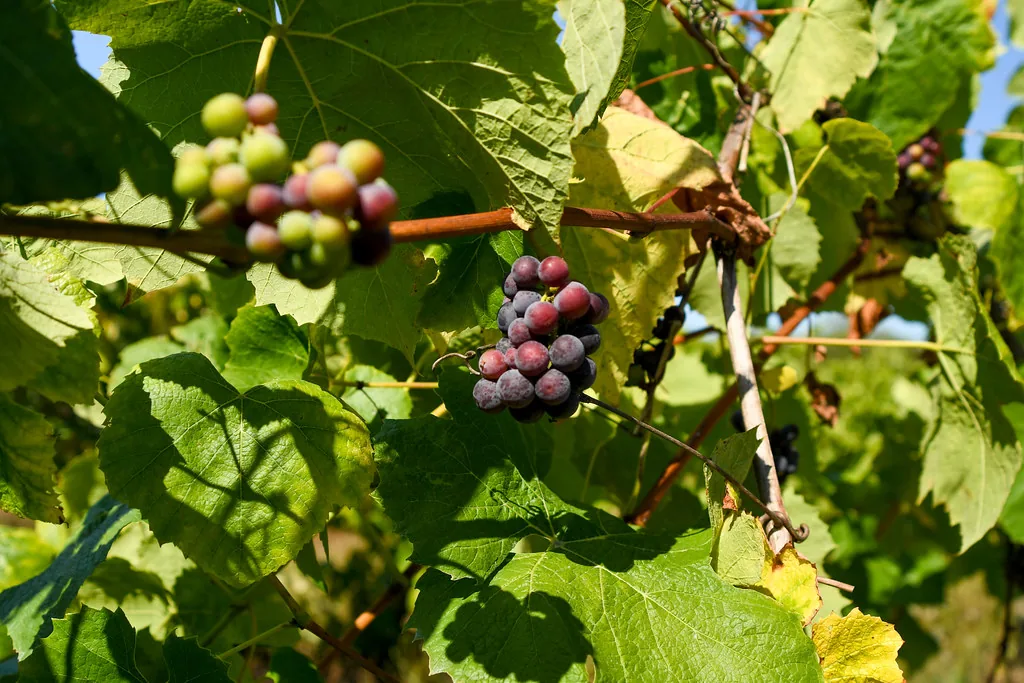
Benefits of Grapes for Chickens
Fed sparingly, grapes give your flock a few small extras:
- Water: grapes are roughly 80% water, which makes chilled or frozen grapes a refreshing treat on hot days.
- Vitamins and minerals: grapes contain vitamin K, vitamin C and potassium, plus plant compounds (polyphenols), especially in red and black grapes.
- Enrichment: chasing and pecking at grapes keeps bored birds busy, which can help in a small run or during winter confinement.
- Handling and training: a grape is an easy way to teach birds to come when called or to step into the coop at dusk.
Don’t expect grapes to fix a nutritional problem. Chickens make their own vitamin C, and a good layer ration already covers what they need.
Risks to Watch For
- Sugar: a cup of grapes holds roughly 25 g of sugar, which one avian vet quoted by Chewy calls more than a chicken should eat even in a whole day. Too many can lead to loose droppings, weight gain and a drop in feed intake.
- Choking: a whole grape is a big mouthful for a bantam, a chick or a young pullet. Halve or quarter them.
- Mold and fermentation: moldy fruit can carry mycotoxins, and fermenting grapes can upset digestion. If you wouldn’t eat it, don’t feed it.
- Pesticide residue: wash store-bought grapes well. If you grow grapes and spray your vines, keep chickens away until the label’s waiting period has passed.
When to call a vet: if a bird has a grape lodged in its throat and is struggling to breathe, get help right away. Ongoing diarrhea, a swollen crop or a hen that stops eating after a fruit binge also needs a vet’s opinion.
How Many Grapes Can Chickens Eat?
A good rule from experienced keepers and vets: one or two grapes per chicken per day, and not every day. Keep all treats combined to no more than about 10% of what a bird eats, which works out to roughly a tablespoon of treats per bird per day.
| Bird | Grapes per serving | How often |
|---|---|---|
| Standard-size adult hen or rooster | 1–2 grapes | 2–3 times a week |
| Bantam | 1 grape, halved or quartered | 2–3 times a week |
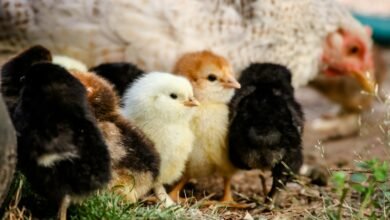
| Chicks over about 3 weeks | A few tiny, finely chopped pieces shared by the group | Occasionally |
| Chicks under 3 weeks | None; starter feed only | – |
If you give grapes on a day you also hand out scratch, kitchen scraps or mealworms, cut back on the others. If you’re new to the flock-feeding basics, our guide to raising chickens for beginners covers daily feed amounts.
How to Feed Grapes to Chickens
- Pick sound fruit. Firm, fresh grapes with no mold, mushy spots or fermented smell.
- Wash them under running water to remove dirt and residue.
- Cut to size. Halve them for standard birds if you like, and quarter them for bantams and young birds. Seeds and skins are fine for adults.
- Serve in a clean spot. Scatter a few pieces on dry ground, or put them in a treat feeder so birds have to work for them. A hanging treat ball slows down greedy birds and gives timid hens a turn.
- Clean up leftovers the same day so they don’t rot or draw rats and wasps.
Pro tip: on a hot afternoon, freeze a handful of halved grapes in a shallow tray of water. The block gives your flock a cool treat to peck at for a while.
Watch: Are Grapes Safe for Chickens?
Prefer to see it? This short video covers feeding grapes to backyard chickens.
Raisins, Vines, Leaves and Pomace
Raisins are safe too, but drying concentrates the sugar, so a raisin counts for more than a grape. Offer only a few, and choose plain raisins with no sugar coating, yogurt or chocolate.
Grapevines and leaves: chickens often peck at fallen grape leaves and low fruit if they range near a vineyard or arbor. The bigger concern is what’s been sprayed on the vines, so check product labels for re-entry and harvest waiting periods before letting birds in.
Grape pomace (the skins and seeds left after pressing) is sometimes fed to poultry in small, measured amounts, but homemade wine pomace can be fermented or moldy. Skip it unless it’s fresh and clean, and treat it like any other treat.

Safe Alternatives to Grapes
Rotate treats so your flock gets variety without a sugar load. See our full list of what chickens can eat for more ideas.
| Treat | Why it’s a good swap | Serve it |
|---|---|---|
| Leafy greens (lettuce, kale, chard) | Low sugar, keeps birds busy | Hung up or chopped |
| Cucumber and zucchini | Hydrating, low calorie | Halved lengthwise |
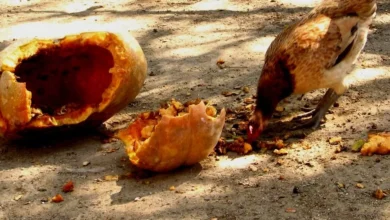
| Pumpkin and winter squash | Fiber, seeds are a favorite | Raw, cut open |
| Berries | Antioxidants (still sugary, so keep portions small) | Whole or halved |
| Watermelon | Mostly water, great in summer | Wedge with rind |
| Mealworms | Protein, useful during molt | A small pinch |
Fresh herbs like parsley, oregano and basil are another low-sugar option; see our guide to the best spices and herbs for chickens.
Other farm animals have different limits. For example, see our guides on feeding apples to rabbits and what ducks eat.
Helpful gear for this guide
Handy picks that match the advice above.
Links go to Amazon. Prices and availability change, so check reviews and fit for your setup before buying.
Quick Reference
Here’s the short version to keep near the coop:

FAQ
Can chickens eat grapes with seeds?
Yes. Adult chickens can eat seeded grapes, skins and all. Cut grapes into small pieces for bantams and young birds.
Are grapes toxic to chickens like they are to dogs?
No. Grape toxicity is a known problem in dogs, but grapes are not considered toxic to chickens. The concern for poultry is sugar and choking, not poisoning.
Can baby chicks eat grapes?
Wait until chicks are about 3 weeks old and eating starter feed well. Then offer only a few tiny, finely chopped pieces shared by the group, and make sure they have chick grit if they get anything besides starter feed.
Can chickens eat frozen grapes?
Yes. Frozen grapes, halved or quartered, make a good hot-weather treat. Let very hard ones soften a little for small birds.
Can chickens eat raisins?
Yes, but sparingly. Raisins pack more sugar than fresh grapes, so give just a few plain raisins at a time.
Will grapes affect egg laying?
A few grapes won’t. Too many treats of any kind can lower egg production because hens eat less of their balanced layer feed.
Sources
- Chewy (vet-reviewed): Can Chickens Eat Grapes?
- Purina Animal Nutrition: Chicken Treats, Are They Good for My Laying Hens?
- University of Wisconsin–Madison Extension: Finding a Veterinarian for Your Chickens
Every flock is different. If you have concerns about a bird’s diet or health, talk to a poultry vet or your local extension office.
This guide contains affiliate links. As an Amazon Associate, FarmingAround earns from qualifying purchases, at no extra cost to you.
Get free farming guides in your inbox
Practical guides, seasonal tips and market updates. No spam, unsubscribe anytime.
Subscribe free

3 Comments