

Last updated: October 2026
This guide contains affiliate links. As an Amazon Associate, FarmingAround earns from qualifying purchases, at no extra cost to you.
The best time to harvest most vegetables is when they reach full color and usable size but are still firm and tender, usually a little before they look as big as they could get. The “days to maturity” on the seed packet tells you when to start checking. The plant itself tells you when to pick: firm heads, snapping pods, tops falling over, hard rinds or vines dying back.
Below you’ll find ripeness signs for more than 20 common crops, plus picking technique, timing, curing and frost advice.
Key takeaways
- Use days to maturity as a start date, then judge by size, color, firmness and feel.
- Pick most crops young: beans, cucumbers, zucchini, okra and peas get tough and seedy fast.
- Harvest early in the morning when plants are cool and full of water, and get produce into the shade quickly.
- Cure storage crops (onions, garlic, potatoes, sweet potatoes, winter squash) before storing, and pick tender crops before the first frost.
In this guide
How to Tell When Vegetables Are Ready
Start with the days to maturity on your seed packet or plant label. Weather, variety and soil can shift it by a week or more, so treat it as the day you start looking, not the day you pick. If you planted using our vegetable planting calendar, add the packet days to your planting date.
Then use this ripeness checklist:
- Size: right for the variety, not oversized. Most fruiting crops taste best slightly immature.
- Color: full, even color for tomatoes and colored peppers; bright and glossy for eggplant and cucumbers.
- Firmness: heads of cabbage and lettuce feel solid; pods snap cleanly.
- Plant signals: onion tops flop over, garlic leaves brown from the bottom, potato vines die back, corn silks dry and turn brown.
Harvest Chart by Vegetable
Days are typical ranges from seed (or from transplant for crops usually set out as plants). Check your packet for the exact variety.
| Vegetable | Days to harvest | Ripeness signs | Harvest tip |
|---|---|---|---|
| Snap beans | 50–70 | Pods firm, snap cleanly, seeds not bulging | Pick every 2–3 days to keep plants producing |
| Beets | 50–65 | Roots 1¼–3 in (3–8 cm) across | Young leaves are good as greens |
| Broccoli | 60–80 (transplant) | Head full, buds tight and green, no yellow | Cut 5–6 in (13–15 cm) below the head; side shoots follow |
| Brussels sprouts | 85–110 (transplant) | Sprouts firm, about 1 in (2.5 cm) wide | Pick from the bottom of the stalk up |
| Cabbage | 65–100 (transplant) | Head solid when squeezed | Cut before heads split after heavy rain |
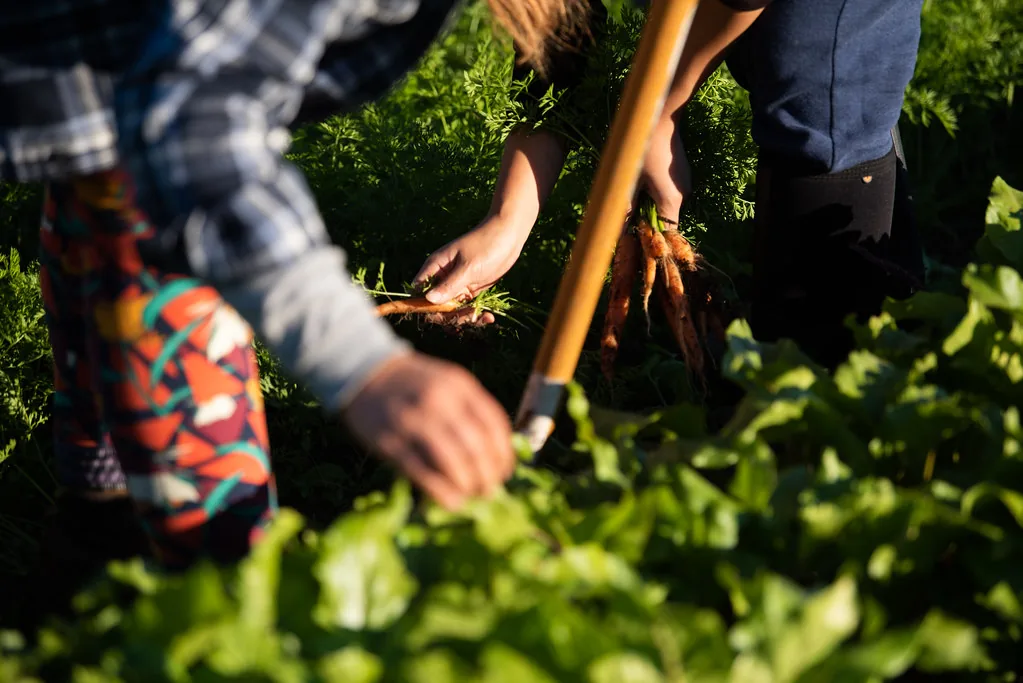
| Carrots | 54–80 | Shoulders 1–2 in (2.5–5 cm) thick | Loosen soil with a fork before pulling |
| Sweet corn | 68–90 | Silks brown and dry; kernel squirts milky juice | Pick in the morning and eat or chill fast |
| Cucumbers | 45–65 | Firm, bright green, no yellowing | Slicers about 5–8 in (13–20 cm) long |
| Eggplant | 50–75 (transplant) | Glossy skin that springs back when pressed | Dull skin means it’s overripe and seedy |
| Garlic | Early to midsummer (from fall-planted cloves) | About a third to half of the leaves brown | Dig, don’t pull, then cure |
| Lettuce | 45–65 | Leaf types usable size; heads firm | Harvest before the center stretches up to bolt |
| Onions (bulb) | 90–120 | Tops yellow and fall over | Lift once most tops are down, then cure |
| Peas | 50–80 | Shelling: pods plump and shiny; snow peas: flat, about 3 in (8 cm) | Pick daily in warm weather; sugars fade fast |
| Peppers | 50–110 (transplant) | Full size and firm; colored types fully changed | Cut stems rather than pulling |
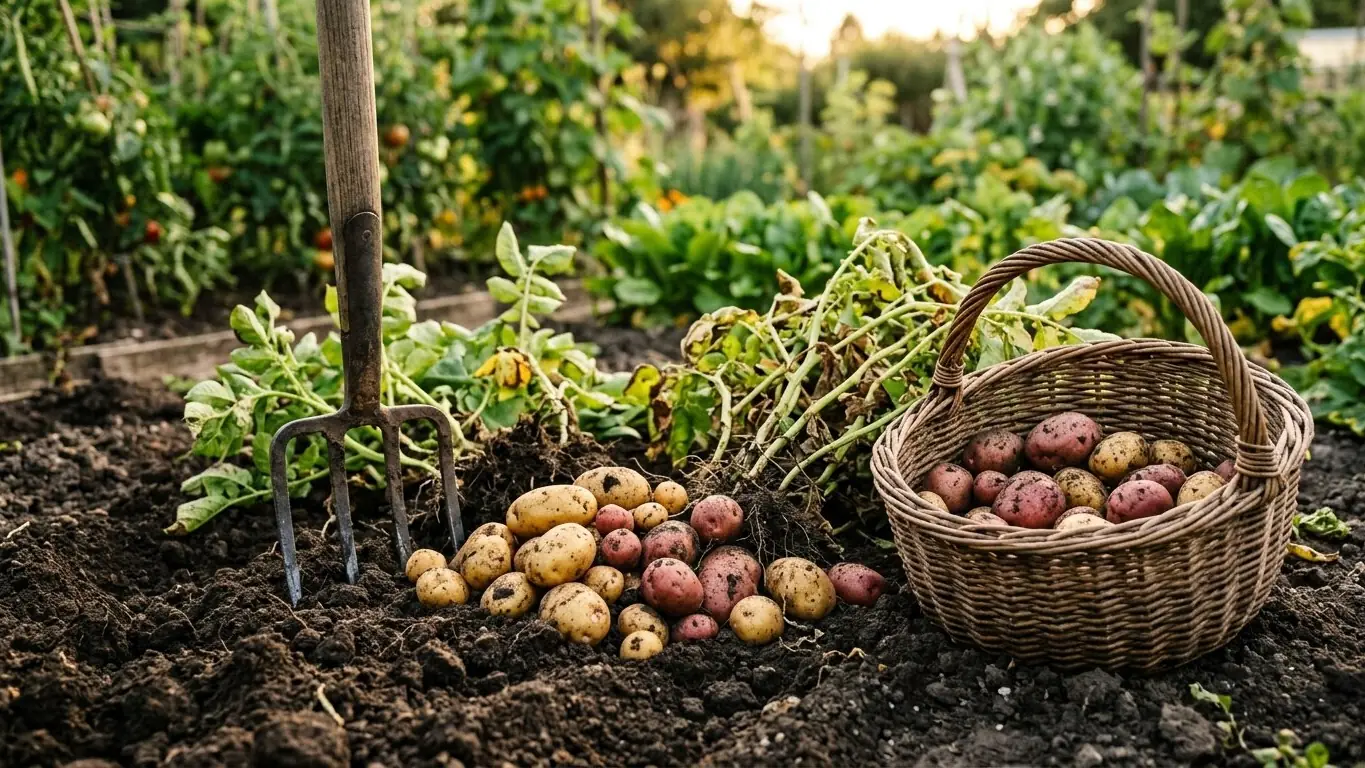
| Potatoes | 70–90+ | New: when plants flower; storage: vines dead, skins set | Dig with a fork, starting well away from the plant |
| Pumpkins | 85–130 | Deep color, hard rind, stem drying | Leave a long stem; never carry by it |
| Radishes | 25–40 (spring) | Roots about 1 in (2.5 cm) across | Pull promptly; they turn pithy and hot |
| Summer squash / zucchini | 45–55 | 4–7 in (10–18 cm) long, thumbnail pierces skin | Check daily at peak season |
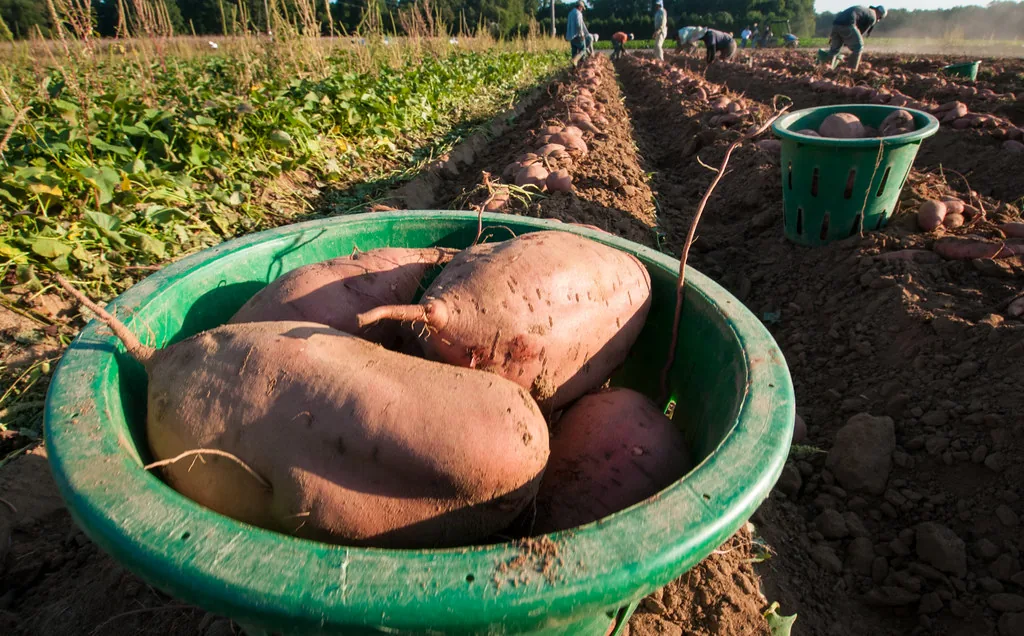
| Sweet potatoes | 90–105 (slips) | Roots sized up; dig before frost | Handle gently; bruises lead to rot |
| Tomatoes | 52–120 (transplant) | Fully colored but still firm | Fruit picked at first blush ripens well indoors |
| Winter squash | 80–105 | Rind resists a thumbnail, skin loses its shine | Cut with 1–2 in (2.5–5 cm) of stem, then cure |
For pumpkins specifically, see our full guide on when to harvest pumpkins.
How to Harvest Vegetables
How you pick matters almost as much as when. A few habits keep plants producing and produce keeping longer:
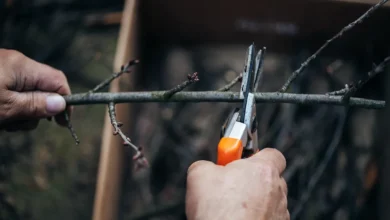
- Cut, don’t yank. If a fruit doesn’t come away easily, use clean pruners or a sharp knife. Pulling can snap branches or uproot plants.
- Dig roots and tubers with a fork. Start 6–12 in (15–30 cm) out from the plant and lever the soil up, so you don’t spear potatoes or sweet potatoes.
- Leave stems on squash and pumpkins. Fruit with the stem snapped off tends to rot at the scar.
- Pick often. Beans, cucumbers, zucchini, okra and peas slow down or stop producing once they’re allowed to set mature seed.
Watch: Reading Ripeness Signs
This video from GrowVeg walks through how to tell when common fruits and vegetables are ready to pick.
Best Time of Day to Harvest
Almost all vegetables are best picked early in the morning, once the dew has dried but before the day heats up. Leaves are crisp, and sweet corn and peas hold the most sugar.
If you can only harvest later, get produce out of the sun straight away and into the fridge or a cool, shaded spot. Dig onions, garlic and potatoes on a dry day so they go into curing clean.
Pro tip: Carry tomatoes and peppers in a shallow crate. Piling soft fruit deep in a bucket bruises the bottom layer.
Curing Storage Crops
Curing toughens skins and heals small wounds, so crops keep for months instead of weeks.
| Crop | How to cure | Time |
|---|---|---|
| Onions | Single layer in a warm, dry, airy, shaded spot; trim tops once necks are tight and dry | 2–4 weeks |
| Garlic | Hang or lay on screens in shade with good airflow; then trim tops to about 1 in (2.5 cm) | 2–3 weeks |
| Potatoes | Dark, ventilated place at 45–60°F (7–16°C); don’t wash first | About 2 weeks |
| Sweet potatoes | Warm and humid: 80–85°F (27–29°C), 85–95% humidity | 4–7 days (up to 10) |
| Winter squash and pumpkins | Dry, ventilated spot at 75–85°F (24–29°C); skip curing for acorn squash | About 10 days |
Our growing guides go deeper on each crop: harvesting and curing garlic and digging potatoes. After curing, most of these want very different storage conditions. Potatoes like it cold, dark and humid, while sweet potatoes get chilling injury below about 50–55°F (10–13°C). Our guide on how to store vegetables lists the right conditions for each one.
Picking Too Early or Too Late
Signs you picked too early
- Bland, starchy or bitter flavor (melons, sweet corn, winter squash).
- Small, thin-skinned onions and potatoes that shrivel or rot in storage.
Tomatoes are the forgiving exception. Fruit picked once it starts to color will finish ripening indoors at room temperature.
Signs you picked too late
- Tough, stringy beans with bulging seeds.
- Seedy, yellowing cucumbers and baseball-bat zucchini.
- Split cabbage heads, split tomatoes and cracked carrots.
- Doughy, starchy sweet corn with dented kernels.
Frost and End-of-Season Harvesting
Your average first fall frost date sets the end of the season for warm-season crops. In the US, colder USDA zones (3–5) often see first frost in September or early October, while warm zones (8–10) may not get one until November, December or later. Zones are based on winter lows, not frost dates, so look up the frost date for your own area through your local extension office or weather service.
Pick before frost: tomatoes (including green ones), peppers, eggplant, beans, cucumbers, summer squash, sweet potatoes, winter squash and pumpkins.
Can stay out through light frost: kale, collards, Brussels sprouts, cabbage, carrots, parsnips, beets and leeks. Kale, Brussels sprouts and parsnips often taste sweeter after cold weather. Dig roots before the ground freezes hard.
Southern Hemisphere note: in Australia, New Zealand and South Africa the calendar flips. The main summer harvest runs roughly January to April, and first frosts in cool regions usually arrive around April to May. In the UK and Ireland, first frosts commonly come in October or November, earlier in the north and inland.
Don’t eat green potatoes. Tubers left exposed to light turn green and build up solanine, which is bitter and can make you ill. Cut away all green parts or discard badly greened potatoes, and keep tubers covered with soil while they grow.
Common Harvest Mistakes
- Skipping days at peak season. Zucchini and cucumbers can grow from perfect to oversized in two or three days.
- Washing storage crops before curing. Brush off dry soil instead.
- Leaving tender crops out “one more night” when frost is forecast.
- Letting produce sit in the sun after picking. Greens wilt and corn loses sweetness within hours.
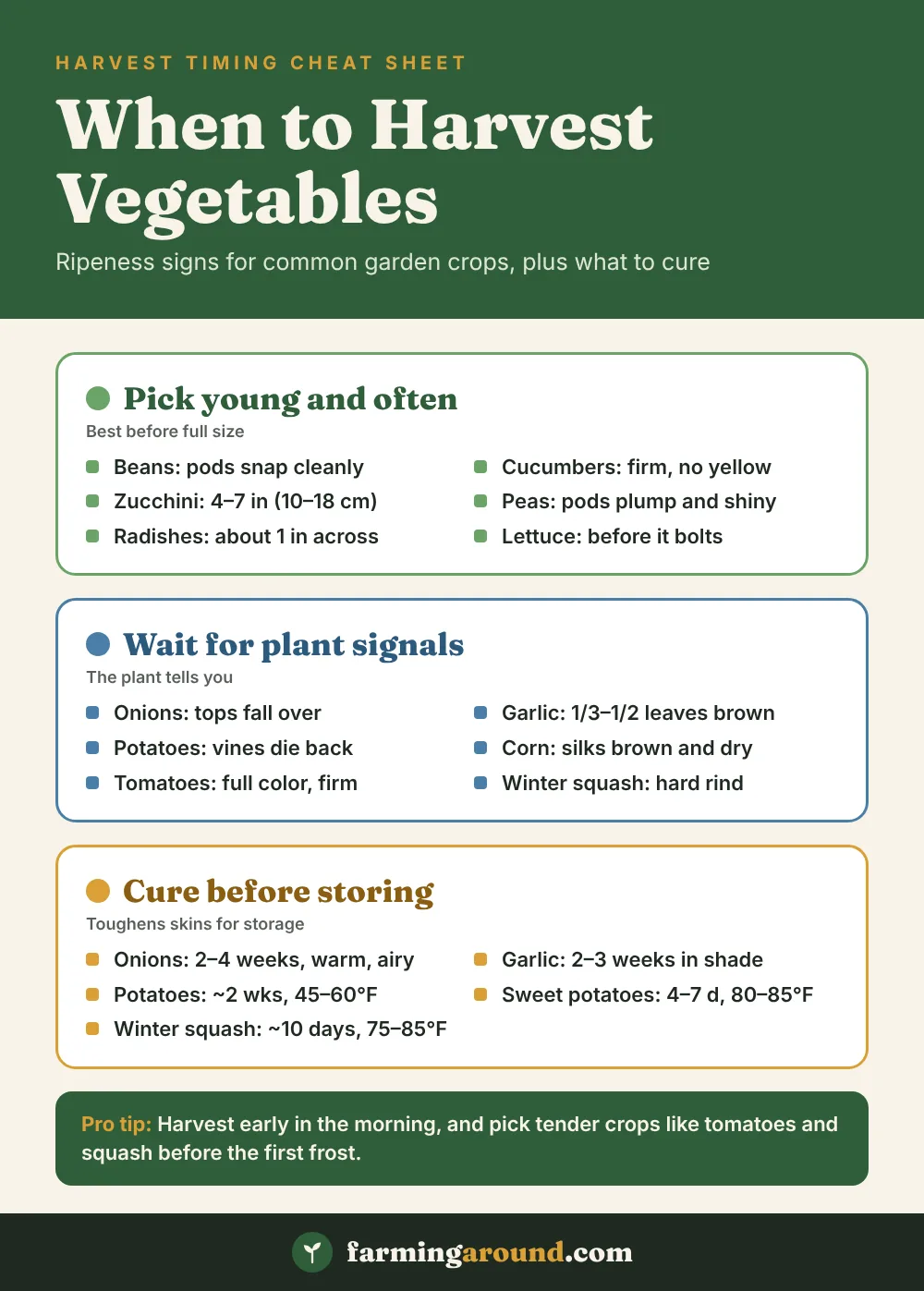
Quick Reference: Harvest Cheat Sheet
Save this chart for a quick check of when common vegetables are ready.
Helpful gear for this guide
Handy picks that match the advice above.
Links go to Amazon. Prices and availability change, so check reviews and fit for your setup before buying.
FAQ
How do you know when vegetables are ready to harvest?
Check the days to maturity on the seed packet, then look for the crop’s own signs: full color, firm texture, snapping pods, tops falling over or vines dying back. When in doubt, pick one and taste it.
Is it better to harvest vegetables in the morning or evening?
Morning is best for almost all vegetables. Plants are cool and well hydrated, so produce is crisper and keeps longer. Evening is a second choice; avoid the heat of midday.
Can you harvest vegetables after a frost?
Hardy crops like kale, Brussels sprouts, carrots and parsnips are fine and often sweeter. Pick tender crops like tomatoes, peppers, squash and sweet potatoes before frost.
Should you wash vegetables before storing them?
Don’t wash storage crops like potatoes, onions, garlic and squash. Brush off dry soil and cure them instead. Leafy greens and root crops for the fridge can be rinsed, dried well and chilled.
Sources
- Harvesting Vegetables (UMass Amherst Extension)
- Harvesting Garden Vegetables (University of Illinois Extension)
- Vegetable Garden Planting Guide, MF315 (Kansas State University)
- Sweetpotato Curing and Storage (Penn State Extension)
Harvest timing varies with variety and climate. For dates specific to your area, check with your local extension office.

2 Comments