

Last updated: October 2026
This guide contains affiliate links. As an Amazon Associate, FarmingAround earns from qualifying purchases, at no extra cost to you.
To store vegetables well, match each crop to one of three conditions: cold and moist (32–40°F / 0–4°C, 90–95% humidity) for most roots, cabbage and greens; cool and dry (32–40°F / 0–4°C, 65–70% humidity) for onions and garlic; and warm and dry (50–60°F / 10–16°C) for winter squash and pumpkins. Tomatoes, cucumbers, peppers and eggplant are the exceptions that do best around 55°F (13°C) and dislike the fridge.
Below: a storage table based on extension data, prep steps, fridge rules, blanching times for freezing, and long-term options like root cellars and sand boxes.
Key takeaways
- Roots, cabbage and greens want cold and humid: the crisper drawer short term, a root cellar or sand box long term.
- Onions and garlic want cold and dry; winter squash, pumpkins and sweet potatoes want it warmer (50–60°F / 10–16°C) and should be cured first.
- Don’t wash vegetables before storage; brush off soil and wash just before use.
- Blanch before freezing most vegetables, and pressure can all low-acid vegetables. Never water-bath them.
In this guide
- The Three Vegetable Storage Groups
- Vegetable Storage Chart: Temperature, Humidity and Shelf Life
- How to Prep Vegetables for Storage
- Fridge vs Counter: Storing Vegetables in the Kitchen
- How to Freeze Vegetables
- Long-Term Storage Without Electricity
- Canning, Dehydrating and Fermenting
- Common Storage Mistakes
- Quick Reference: How to Store Vegetables
- FAQ
- Sources
The Three Vegetable Storage Groups
Extension storage tables group vegetables by the temperature and relative humidity (RH) that keep them longest:
- Cold and moist: 32–40°F (0–4°C), 90–95% RH. Root crops, cabbage, broccoli, leafy greens, peas and sweet corn. Potatoes fit here but prefer 40–45°F (4–7°C) and darkness.
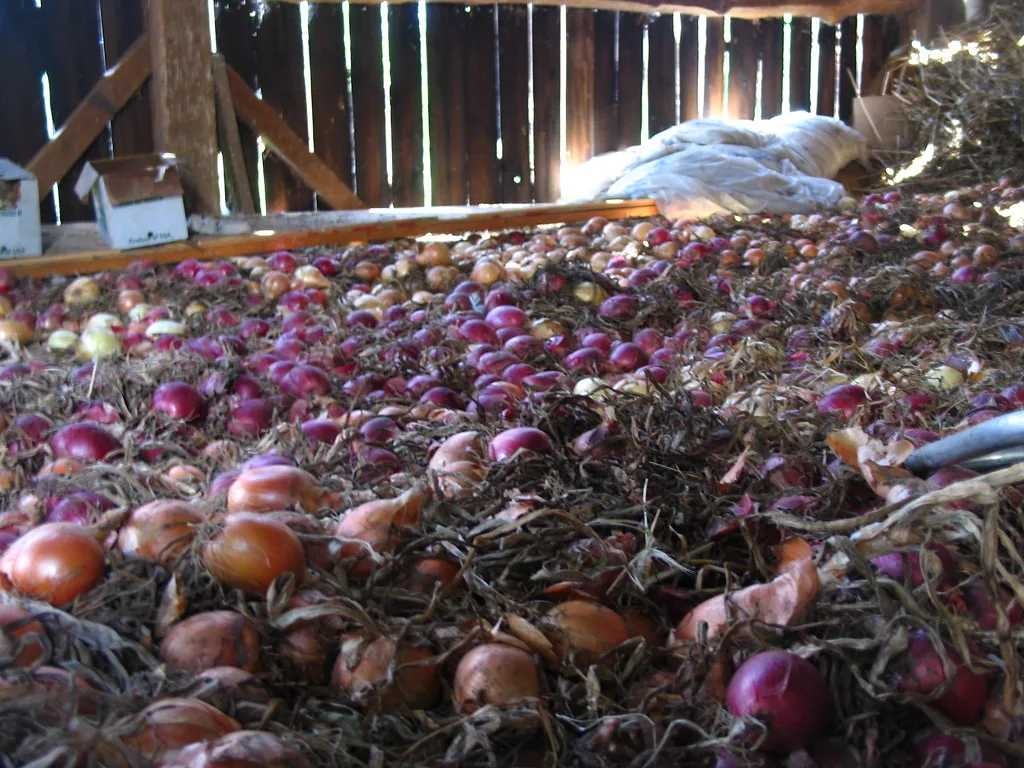
- Cool and dry: 32–40°F (0–4°C), 65–70% RH. Cured onions and garlic; damp air makes them sprout or rot.
- Warm and dry: 50–60°F (10–16°C), about 50–70% RH. Cured winter squash and pumpkins. Sweet potatoes also need warmth, 55–60°F (13–16°C), but with higher humidity (85–90%).
Tomatoes, cucumbers, peppers, eggplant and summer squash are short-term keepers. They prefer about 55°F (13°C) and get chilling injury (pitting, lost flavor) if left long in the fridge.
Vegetable Storage Chart: Temperature, Humidity and Shelf Life
Times are approximate for sound produce at ideal conditions; home results are often shorter.
| Vegetable | Where to store | Ideal temp / humidity | Approx. storage life |
|---|---|---|---|
| Carrots (tops off) | Crisper, root cellar, sand box | 32–35°F (0–2°C), 95%+ | 4–6 months |
| Beets (tops off) | Crisper, root cellar | 32–35°F (0–2°C), 95% | 3–5 months |
| Parsnips | Root cellar, crisper | 32–35°F (0–2°C), 90–95% | 2–6 months |
| Turnips, rutabagas | Root cellar, crisper | 32–35°F (0–2°C), 90–95% | 2–4 months |
| Cabbage | Root cellar, fridge | 32–40°F (0–4°C), 95%+ | 3–5 months |
| Brussels sprouts | Fridge | 32–40°F (0–4°C), 95% | About 1 month |
| Broccoli, cauliflower | Fridge | 32–40°F (0–4°C), 95% | 2–3 weeks |
| Lettuce, spinach | Fridge | 32–40°F (0–4°C), 95% | 1–2 weeks |
| Peas, sweet corn | Fridge | 32–40°F (0–4°C), 95% | 5–7 days |
| Potatoes (cured) | Dark cellar, basement | 40–45°F (4–7°C), 90–95% | 5–8 months |
| Onions (cured) | Cool, dry, airy spot | 32–40°F (0–4°C), 65–70% | 4–8 months (varies by variety) |
| Garlic (cured) | Cool, dry, airy spot | 32–40°F (0–4°C), 65–70% | 6–7 months |
| Winter squash (cured) | Shelf in a cool room | 50–60°F (10–16°C), 50–70% | Acorn 5–8 weeks; butternut 2–3 months; Hubbard 5–6 months |
| Pumpkins (cured) | Shelf in a cool room | 50–60°F (10–16°C), 50–70% | About 2 months |
| Sweet potatoes (cured) | Warm pantry, never the fridge | 55–60°F (13–16°C), 85–90% | 4–6 months |
| Tomatoes (ripe) | Counter | About 55°F (13°C) | About 5 days |
| Cucumbers, eggplant, summer squash | Cool counter or fridge for a few days | About 55°F (13°C) | About 1 week |
| Peppers | Cool counter or crisper | About 55°F (13°C) | About 2 weeks |
Compiled from University of Minnesota, Iowa State and UMass Extension tables.
How to Prep Vegetables for Storage
Pick at the right stage (see when to harvest vegetables), then:
- Harvest in dry weather and handle gently; bruises are where rot starts.
- Sort. Eat damaged or diseased produce first; store only sound pieces.
- Brush off soil, don’t wash. Moisture encourages mold.
- Trim tops. Cut carrot, beet, turnip and parsnip foliage to about ½–1 inch (1–2.5 cm) above the root.
- Cure the crops that need it. Potatoes: about 2 weeks at 50–60°F (10–16°C) and high humidity, in the dark. Onions and garlic: 2–3 weeks somewhere warm, dry and airy until the necks are tight and papery. Sweet potatoes, winter squash and pumpkins: about 10 days at 80–85°F (27–29°C), though acorn squash should not be cured.
- Pack for the right humidity. Moist-group roots go in perforated plastic bags or damp sand; onions, garlic and squash go in mesh bags, slatted crates or single layers on shelves.
- Label and check monthly, removing anything softening before rot spreads.
Crop-specific details are in our guides to growing potatoes and harvesting and curing pumpkins.
Fridge vs Counter: Storing Vegetables in the Kitchen
A fridge at 35–40°F (2–4°C) suits the cold-and-moist group, but its air is dry, so use the crisper drawers.
- High-humidity drawer (vent closed): greens, herbs, roots, broccoli and anything that wilts.
- Low-humidity drawer (vent open): fruits.
- Use perforated or loosely closed bags for roots and greens.
Keep out of the fridge: tomatoes, winter squash, pumpkins, sweet potatoes, potatoes, onions and garlic.
Keep Ethylene Producers Apart
Ripening apples, pears, peaches, plums, cantaloupes and tomatoes give off ethylene gas. UMass Extension notes it makes carrots and parsnips bitter, yellows cabbage and shortens squash storage life. Keep these fruits in a separate drawer or room.
Pro tip: Revive limp carrots, celery or greens by standing them in cold water in the fridge for an hour.
How to Freeze Vegetables
Freezing is the easiest way to keep peas, beans, corn, broccoli and greens for months. The National Center for Home Food Preservation (NCHFP) says most vegetables need blanching first: a short dip in boiling water stops the enzymes that otherwise destroy flavor, color and texture in the freezer. Sweet peppers and onions are among the few that can be frozen raw.
Blanch small batches in boiling water, timing from when it returns to a boil, then cool in ice water for the same time. Drain, pack with the air pressed out and freeze at 0°F (-18°C). Above 5,000 feet (1,500 m), add 1 minute.
| Vegetable | Water blanching time (NCHFP) |
|---|---|
| Green peas | 1½ minutes |
| Snap or green beans | 3 minutes |
| Broccoli (1½-inch florets) | 3 minutes |
| Cauliflower (1-inch florets) | 3 minutes |
| Carrots, sliced or diced | 2 minutes (small whole: 5) |
| Spinach and most greens | 2 minutes (collards: 3) |
| Summer squash, sliced | 3 minutes |
| Corn kernels (blanch ears before cutting) | 4 minutes |
| Corn on the cob | 7–11 minutes, by ear size |
Watch: Easy Ways to Store Vegetables Through Winter
This video from no-dig grower Charles Dowding looks at simple ways to keep summer and autumn harvests.
Long-Term Storage Without Electricity
For a big fall harvest, use the natural cold of winter:
- Root cellar or cold basement corner: the ideal for the cold-and-moist group. An earth or damp concrete floor keeps humidity up.
- Cold garage or unheated porch: fine for onions, garlic and cabbage while it stays above freezing. Move onions in before it drops below 32°F (0°C).
- Sand or sawdust boxes: layer unwashed carrots, beets or parsnips in slightly damp sand, not touching, in a cool, frost-free spot.
- Clamps and in-ground storage: pile roots on straw and cover with straw and soil (a clamp), or leave them in the row under thick straw mulch. Watch for rodents.
- A cool spare room at 50–60°F (10–16°C) suits cured squash, pumpkins and sweet potatoes.
Timing depends on your climate. In USDA zones 3–6, storage crops come in around the first fall frost (September–October) and natural cold storage works well; in zones 7 and warmer, rely more on the fridge, freezer and canning. In the Southern Hemisphere the main storage harvest is March to May. For late crops, see fall garden vegetables.
Canning, Dehydrating and Fermenting
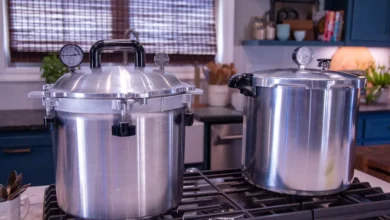
Canning: Use only tested recipes from NCHFP, the USDA Complete Guide to Home Canning or your extension service. Almost all plain vegetables (beans, corn, carrots, potatoes, peas, beets, squash) are low-acid and must be pressure canned to destroy botulism spores; a boiling water bath does not get hot enough. Start with our guide to pressure canning for beginners. Pumpkin and winter squash may only be canned in cubes, never mashed.
Dehydrating: Blanch most vegetables first, dry until brittle or leathery, and store airtight.
Fermenting: Follow a tested recipe for salt ratio, keep vegetables under the brine and refrigerate when done.
Common Storage Mistakes
- Washing before storage. Extra moisture speeds mold and rot.
- Storing onions with potatoes. Potatoes need humidity, onions need dry air; together both spoil sooner.
- Refrigerating tomatoes, sweet potatoes, squash and basil.
- Letting potatoes see light. Light turns them green; don’t eat the green parts.
- Keeping fruit next to vegetables. Ethylene from apples and pears shortens storage life.
- Skipping curing on onions, garlic, potatoes, sweet potatoes and squash.
- Storing garlic or herbs in oil at room temperature. It’s a botulism risk: refrigerate and use within 4 days, or freeze.
Signs of spoilage: when to throw it out. Discard vegetables with fuzzy mold, slimy or mushy texture, a sour or rotten smell, or dark sunken spots. For canned goods, throw out (without tasting) any jar with a bulging or unsealed lid, spurting liquid, cloudiness, bubbles or an off smell. When in doubt, throw it out.
Helpful gear for this guide
Handy picks that match the advice above.
Links go to Amazon. Prices and availability change, so check reviews and fit for your setup before buying.
Quick Reference: How to Store Vegetables
Save this chart for a quick reminder of where each crop belongs.
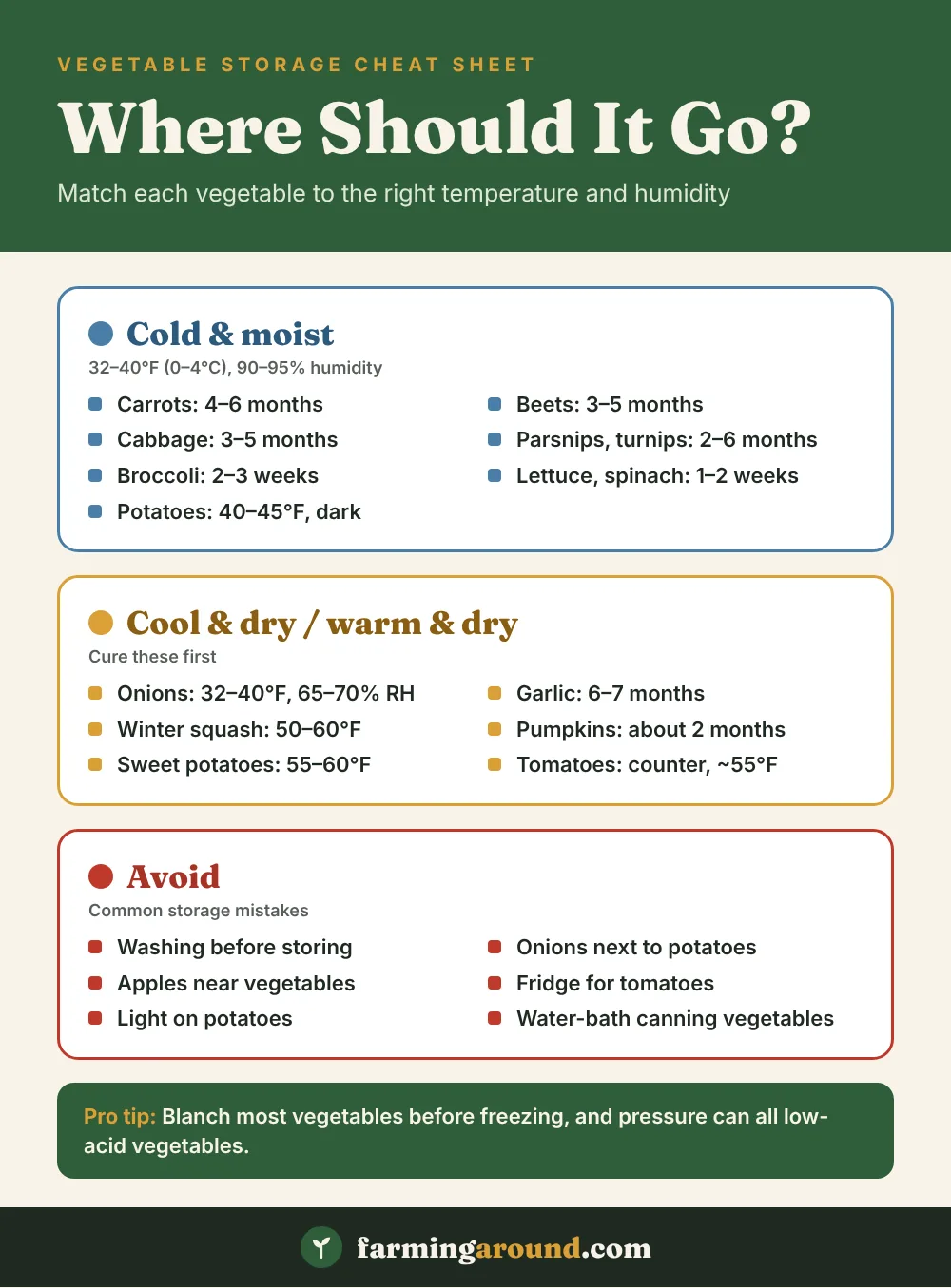
| Cold & moist (32–40°F / 0–4°C, 90–95% RH) | Cool & dry (32–40°F / 0–4°C, 65–70% RH) | Warm & dry (50–60°F / 10–16°C) |
|---|---|---|
| Carrots, beets, parsnips, turnips, cabbage, broccoli, greens, peas, corn; potatoes at 40–45°F (4–7°C) in the dark | Cured onions and garlic | Cured winter squash, pumpkins; sweet potatoes at 55–60°F (13–16°C) |
FAQ
Which vegetables should not be refrigerated?
Tomatoes, potatoes, sweet potatoes, onions, garlic, winter squash and pumpkins keep better out of the fridge.
Should you wash vegetables before storing them?
No. Brush off dry soil, store unwashed and wash just before cooking.
Can you store potatoes and onions together?
It’s best not to. Potatoes need humid darkness and onions need dry air.
What vegetables last the longest without refrigeration?
Cured potatoes, onions, garlic, winter squash, pumpkins and sweet potatoes can last several months in the right cool room or cellar.
Do you have to blanch vegetables before freezing?
For most vegetables, yes. Blanching stops enzyme activity that ruins flavor, color and texture. Sweet peppers and onions are exceptions that can be frozen raw.
Sources
- Harvesting and Storing Home Garden Vegetables (University of Minnesota Extension)
- Storing Winter Storage Vegetables (Iowa State University Extension)
- Optimal Storage Conditions and Ethylene Sensitivity of Fall Storage Crops (UMass Extension)
- Blanching Vegetables for Freezing (National Center for Home Food Preservation)
This guide is general information. For canning, freezing and food safety questions specific to your area, check with your local extension office.
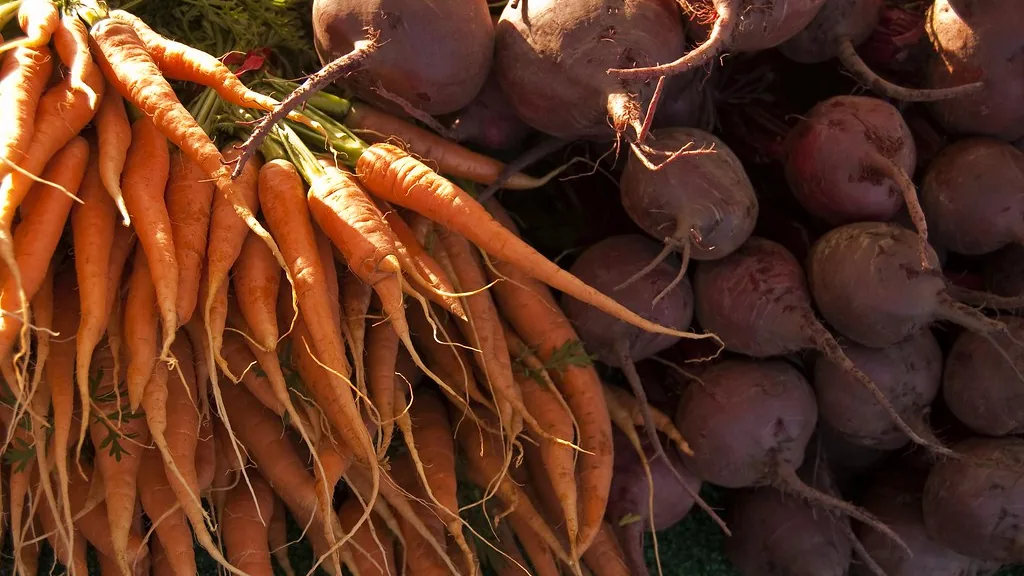
Featured image: brenbot / CC BY 2.0 via Flickr.

4 Comments