


Last updated: November 2026
Most backyard chickens don’t need a heated coop. Healthy, cold-acclimated adult hens stay warm on their own in a dry, draft-free, well-ventilated coop, and heat lamps are a leading cause of coop fires. If you do need heat, for chicks, a sick bird, bantams or truly extreme cold, use a flat-panel radiant heater made for coops, mounted securely and run on a thermostat, and aim only to take the edge off the cold.
Below you’ll find when heat actually makes sense, the safest heating options compared, a step-by-step setup, fire-safety rules and the free ways to keep your flock comfortable without electricity.
Key takeaways
- Adult chickens rarely need heat if the coop is dry, draft-free and ventilated.
- Avoid heat lamps. They are easily knocked into bedding and are a common cause of coop fires.
- If you heat, use a radiant panel heater made for coops, on a thermostat, just to keep things a little above freezing.
- Heat the water, not the birds: a heated waterer is the most useful winter upgrade for most flocks.
In this guide
Do Chickens Need Heat in Winter?
In most cases, no. “Chickens do not need a heat source in the winter,” says Donna Coffin of University of Maine Cooperative Extension. “As long as they are acclimated, in a draft-free shelter and have dry bedding, they will be fine.” University of New Hampshire Extension also generally advises against supplemental heat because of the fire risk.
Chickens are well built for cold. They fluff their feathers to trap a layer of warm air, tuck their heads and feet in on the roost and huddle together at night. Digesting feed also generates body heat, which is why they eat more in winter.
Advice does vary a little. University of Arkansas extension staff suggest supplemental heat once temperatures drop below about 35°F (2°C), and University of Wisconsin Extension notes that a very small flock can’t generate as much shared body heat as a large one. The common ground: start with a dry, ventilated, draft-free coop, and if you add heat, make it a safe source used to prevent freezing, not to keep the coop warm.

When Heating a Coop Makes Sense
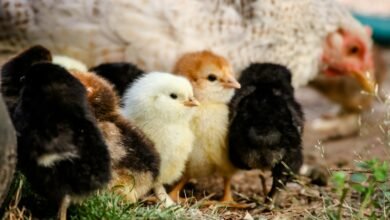
- Chicks and young birds that aren’t fully feathered. They need a brooder heat source until about 6 weeks old, starting around 90–95°F (32–35°C) in the first week and lowering it about 5°F (3°C) each week.
- Sick, injured or molting birds that can’t keep themselves warm.
- Bantams and very small flocks, which lose heat faster. UNH Extension suggests insulation or a heater designed for coops with proper safety features for small breeds.
- Breeds poorly suited to cold, such as lightweight Mediterranean breeds with large single combs, or naked-neck and frizzled birds, in very cold regions.
- Extreme cold snaps well below 0°F (−18°C), especially with wind.
If none of these apply, focus your effort on ventilation, bedding and water instead. Our guide to winterizing a chicken coop covers the full checklist.
Why Heat Lamps Are Risky
Heat lamps get extremely hot, and coops are full of fuel: dry shavings, straw, feathers and fine dust. Chickens flap, jump and knock lamps loose, and clamp-style fixtures can slip or fall into the bedding. UMaine’s Coffin calls heat lamps an unnecessary fire risk for exactly this reason.
If you must use a heat lamp: use only an approved lamp with a heat bulb and a protective guard, hang it with a chain or wire (never just the clamp), keep it well away from bedding, walls and roosts, and read and follow every fire-safety warning on the product. A coop heater designed for the job is a safer choice.
There’s another downside. A coop kept warm by a lamp leaves birds poorly acclimated, so they’re more stressed by the cold if the power fails or the bulb burns out on the coldest night.
Coop Heating Options Compared
| Option | How it works | Safety | Best for |
|---|---|---|---|
| Flat-panel radiant heater | Low-wattage panel mounted on a wall; warms birds nearby | Much safer than lamps; no exposed bulb | Adult flocks in extreme cold |
| Brooder heating plate | Chicks huddle under a warm plate, like under a hen | Low fire risk | Chicks and small groups of young birds |
| Heated waterer or waterer base | Keeps water just above freezing | Safe when used as directed | Every flock in freezing climates |
| Heat lamp (infrared bulb) | Hot bulb radiates heat downward | High fire risk | Not recommended |
| Passive solar (south windows, dark surfaces) | Sunlight warms the coop by day | No fire risk | All coops, alongside good ventilation |
| Fuel heaters (propane, kerosene) | Open flame or combustion | Fire and fume risk in a small coop | Avoid |
Best Chicken Coop Heaters (If You Really Need One)
If your flock does need heat, choose a flat radiant panel made for coops, never a heat lamp or a household space heater. Panels warm birds that roost near them, stay much cooler on the surface than a bulb, and can be screwed flat to the wall where hens cannot knock them down.
- Classic low-wattage panel: Cozy Coop Flat-Panel Chicken Coop Heater. A simple, low-wattage panel that is a common choice for small backyard coops.
- Panel with safety certification: 200W UL-Certified Radiant Panel Coop Heater. Look for a recognised safety listing on anything electric that goes in a dusty coop.
- Panel with built-in thermostat: 200W Radiant Heat Panel with Thermostat. A thermostat keeps the heater off on mild nights, which saves power and avoids overheating acclimated birds.
Whatever you choose, mount it securely, keep at least the manufacturer’s clearance from bedding and roosts, and plug it into a heavy-duty outdoor cord. For most flocks, a heated chicken waterer is a better first purchase than a heater, and an automatic coop door helps keep the coop closed and draft-free at night.
How to Heat a Chicken Coop Safely
- Fix the basics first. Stop drafts at roost level, keep high vents open and add deep, dry bedding.
- Choose a heater made for coops, such as a flat-panel radiant heater, rather than a household space heater.
- Mount it securely on a wall following the manufacturer’s clearance instructions. University of Arkansas extension staff advise placing heat at the height of the nest boxes or the lowest roost, where the birds actually are.
- Leave a cooler zone so birds can move away from the heat.
- Use a thermostat so the heater runs only on the coldest nights. The aim is to keep the coop a few degrees above freezing, not warm.
- Use safe wiring: a GFCI-protected outlet, a heavy-duty outdoor-rated extension cord run where chickens can’t peck it, and no daisy-chained power strips.
- Keep it clean. Wipe dust and feathers off heaters and cords every week, since dust is flammable.
- Install a smoke detector or a camera in a larger coop, and check the setup every day.
Watch: Chickens in winter
The Featherbrain explains when to worry about chickens in cold weather and what to do in this video.
Keeping Chickens Warm Without Heat
These steps keep a flock comfortable through most winters with no heater at all:
- Block wind, not air. Seal gaps near the roosts and wrap the windward sides of the run, but keep high vents open.
- Use deep bedding. 4–6 inches (10–15 cm) or more of dry pine shavings or straw insulates the floor. See our guide on insulation for a chicken coop if you want to go further.
- Provide wide wooden roosts. A 2×4 laid flat lets birds cover their toes. Avoid metal and plastic perches, which stay cold.
- Feed well. Keep layer feed available all the time; birds may eat up to 25% more in cold weather. Scratch grains late in the day add a little extra fuel for the night.
- Keep water unfrozen with a heated waterer, or swap two rubber bowls morning and afternoon.
- Let the sun in through south-facing windows on clear days.
- Choose cold-hardy breeds if you live somewhere harsh. Our chicken breeds guide lists good options.
Pro tip: On the coldest nights, UNH Extension suggests rubbing a thin layer of petroleum jelly on large combs and wattles to help protect them from frostbite.
Signs Your Chickens Are Too Cold
- Huddling tightly together during the day, not just on the roost at night
- Standing on one foot, with feathers constantly fluffed
- Lethargy or a hunched posture
- Pale, gray or blackened tips on combs, wattles or toes, which can mean frostbite. University of Arkansas extension poultry vet Dustan Clark says frostbitten tissue looks blackened or gray and feels brittle.
- A noticeable drop in eating or drinking
Some fluffing and huddling in cold weather is normal. A drop in egg laying in winter is also normal, mostly because of shorter days. If a bird seems ill or you suspect frostbite, move it somewhere sheltered and contact a vet.
Running Costs and Power Outages
Running costs depend on the heater’s wattage, how many hours it runs and your local electricity rate. To estimate yours, multiply the heater’s watts by the hours it runs, divide by 1,000 to get kilowatt-hours, and multiply by your rate per kWh. A thermostat that only switches the heater on during the coldest hours cuts the bill considerably.
Think about power outages too. Birds that live in a heated coop all winter can struggle if the heat suddenly stops on a frigid night. Keeping the coop only just above freezing helps your flock stay acclimated, so an outage is far less dangerous. If you’re still planning your coop, our chicken coop plans guide covers ventilation and layout for every climate.
Helpful gear for this guide
Handy picks that match the advice above.
Links go to Amazon. Prices and availability change, so check reviews and fit for your setup before buying.
Quick Reference
Save this chart for your first cold snap:

FAQ
At what temperature do chickens need heat?
There’s no single cutoff. Many extension specialists say acclimated adult chickens in a dry, draft-free coop don’t need heat at all, while some suggest light supplemental heat below about 35°F (2°C). Watch your birds for signs of cold stress and focus on ventilation and dry bedding first.
Is it safe to use a heat lamp in a chicken coop?
Heat lamps are a serious fire risk because they get very hot and are easily knocked into bedding. A flat-panel radiant heater made for coops is a much safer choice.
How cold is too cold for chickens?
Cold-hardy breeds handle temperatures well below freezing if they’re dry and out of the wind. Wind, wet bedding and damp air are far more dangerous than cold alone.
Can I use a space heater in a chicken coop?
Household space heaters aren’t designed for dusty, feathery coops and can overheat or tip over. Use a heater built for livestock or coop use and follow its instructions.
Should I heat the coop for laying hens?
Heat won’t bring back winter laying, because the slowdown is mainly caused by shorter days. Some keepers add LED lighting to reach about 14–16 hours of light, but that’s a choice, not a necessity.
How do I keep chicken water from freezing?
Use a heated chicken waterer or a heated base under a metal waterer, or rotate two rubber bowls so you can knock out the ice and refill them twice a day.
Sources
- Bangor Daily News: Heat lamps are an unnecessary fire risk in chicken coops (interview with UMaine Cooperative Extension)
- University of New Hampshire Extension: How Should I Take Care of Backyard Chickens in the Winter?
- University of Arkansas Cooperative Extension: Backyard poultry coops prepped for cold still require good ventilation
- University of Wisconsin–Madison Extension: Preparing for Winter
If a bird seems ill or you suspect frostbite, consult a veterinarian or your local extension office.
This guide contains affiliate links. As an Amazon Associate, FarmingAround earns from qualifying purchases, at no extra cost to you.
Get free farming guides in your inbox
Practical guides, seasonal tips and market updates. No spam, unsubscribe anytime.
Subscribe free

2 Comments