


Last updated: November 2026
Yes, chickens can eat tomatoes, but only ripe, red tomato fruit, and only as a small treat. Unripe green tomatoes and the leaves, stems, vines and flowers of the tomato plant contain solanine, a natural toxin, so keep those away from your flock. A few pieces of ripe tomato a couple of times a week is plenty.
Below you’ll find the benefits and risks, how much tomato to feed per hen, how to prepare it, how to protect your tomato plants from free-ranging birds, and safe alternatives.
Key takeaways
- Ripe red tomatoes are safe as an occasional treat, including skins and seeds.
- Never feed green tomatoes, leaves, stems, vines or flowers. They contain solanine.
- Keep all treats under 10% of the diet. Layer feed should make up at least 90%.
- Skip rotten, moldy or seasoned tomatoes, including sauces, ketchup and salsa.
In this guide
Are Tomatoes Safe for Chickens?

Ripe tomato fruit is safe for chickens. The ASPCA lists the tomato plant’s toxic principle as solanine and notes that the ripe fruit is non-toxic. Solanine is concentrated in the green parts of the plant, and in unripe green fruit. A vet-reviewed guide from Chewy explains that the amount in ripe red tomatoes is negligible.
That makes tomatoes similar to other members of the nightshade family, such as potatoes and eggplant: the ripe or cooked food is fine, but the green parts are not.
Benefits of Tomatoes for Chickens
- Hydration: tomatoes are more than 90% water, which makes a few chilled pieces a nice treat on hot days.
- Vitamins and antioxidants: they contain vitamins C and K, beta-carotene and lycopene. Chickens make their own vitamin C, so this is a bonus rather than a need.
- Low in calories: a medium tomato (100 g) has about 18 calories, so it won’t make hens fat in small amounts.
- Enrichment: pecking at tomato pieces keeps bored hens busy, especially in a confined run.
Risks and Parts to Avoid
| Tomato part | Safe? | Why |
|---|---|---|
| Ripe red fruit, skin and seeds | Yes, in moderation | Negligible solanine; a healthy treat |
| Unripe green tomatoes | No | Contain solanine |
| Leaves, stems, vines and flowers | No | Highest concentration of solanine |
| Rotten or moldy tomatoes | No | Bacteria and mold toxins |
| Sauce, ketchup, salsa, seasoned dishes | No | Salt, sugar, onion, garlic and spices |
| Plain cooked tomato (no seasoning) | Yes, in small amounts | Fine if it’s plain and fresh |
Signs of solanine poisoning: Drooling, weakness, diarrhea, trembling, loss of balance or paralysis after eating tomato plants or green fruit. Remove the source and call a vet who treats poultry right away.
Too much tomato can also cause loose droppings, and filling up on treats means hens eat less of their balanced feed, which can affect laying and eggshell quality.
How Much Tomato Can Chickens Eat?
Purina recommends a 90/10 rule: at least 90% complete layer feed and no more than 10% treats. Tomatoes count toward that 10%, along with scratch grains, kitchen scraps and garden greens.
- Per hen: roughly one cherry or grape tomato, or a thin slice of a large tomato, is a sensible serving. Chewy’s vet-reviewed guidance is even more conservative, at about 6 g per adult hen.
- How often: two or three times a week, mixed with other treats.
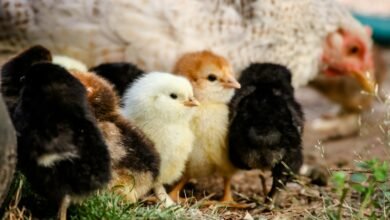
- Chicks: wait until chicks are around 8–12 weeks old before offering any fresh treats, then give only tiny pieces.

How to Feed Tomatoes to Chickens
- Choose fully ripe, red tomatoes with no green patches, mold or soft rotten spots.
- Wash them to remove dirt and garden or market residues.
- Cut large tomatoes into bite-size pieces and halve cherry tomatoes for small breeds.
- Remove any green stems or calyxes (the little green star on top).
- Scatter or hang the pieces. A hanging treat feeder keeps them off the ground and turns snack time into a game.
- Clean up leftovers by the end of the day so they don’t attract rats or spoil.
Pro tip: Freeze tomato chunks in an ice cube tray with a little water for a cooling summer treat. Feed them in a shallow dish so the hens can peck as they thaw.
Chickens and Tomato Plants in the Garden
Free-ranging chickens love ripe tomatoes and will help themselves, but they may also peck at leaves and green fruit. Keep hens out of the tomato bed during the growing season with garden netting or a simple wire fence, and let them in after harvest only once you’ve pulled and removed the old plants. Don’t toss tomato vines or green fruit into the run when you clean up the garden. Put them in the compost instead.
Watch: Kitchen scraps chickens can and can’t eat
Whitepepper Farms Homestead covers common kitchen scraps, including which ones to keep away from your flock.
Safe Alternatives to Tomatoes
| Treat | Why it works | Tip |
|---|---|---|
| Leafy greens (lettuce, kale, chard) | Low calorie, keeps hens busy | Hang a whole head for enrichment |
| Cucumber and zucchini | Hydrating, mild and safe | Split lengthwise for easy pecking |
| Watermelon | Very hydrating in summer | Remove the rind after a day |
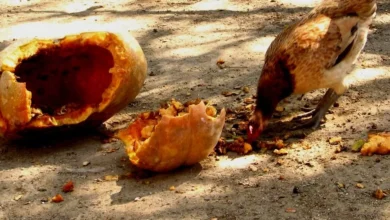
| Pumpkin and squash | Seeds and flesh are safe | Great for autumn surplus |
| Berries | Bite-size and colorful | Feed a small handful |
| Grapes | A favorite treat | Cut in half; see our grapes guide |
Fresh herbs like oregano, parsley and basil are another healthy option. See our guide to the best herbs and spices for chickens, and the full list in what can chickens eat.
Helpful gear for this guide
Handy picks that match the advice above.
Quick Reference

FAQ
Can chickens eat cherry tomatoes?
Yes. Ripe cherry tomatoes are a handy treat. Cut them in half for bantams and young birds, and remove any green stems.
Can chickens eat green tomatoes?
No. Unripe green tomatoes contain solanine, which can poison chickens. Wait until the fruit is fully red.
Can chickens eat tomato plants or leaves?
No. The leaves, stems, vines and flowers have the highest concentration of solanine. Keep chickens out of the tomato bed and don’t put old vines in the run.
Can chickens eat cooked tomatoes?
Plain, unseasoned cooked tomato is fine in small amounts. Avoid sauces, soups and leftovers with salt, sugar, onion, garlic or spices.
Can baby chicks eat tomatoes?
Wait until chicks are around 8–12 weeks old before offering fresh treats, then give only tiny, ripe pieces. Young chicks need their starter feed.
Do tomatoes affect egg laying?
Small amounts won’t. Problems start when treats crowd out layer feed, which provides the protein and calcium hens need for steady laying and strong shells.
Sources
- ASPCA Animal Poison Control: Tomato Plant
- Chewy (vet-reviewed): Can Chickens Eat Tomatoes?
- Purina Animal Nutrition: Chicken Treats, Are They Good for My Laying Hens?
Every flock is different. If you have concerns about a bird’s diet or health, talk to a poultry vet or your local extension office.
This guide contains affiliate links. As an Amazon Associate, FarmingAround earns from qualifying purchases, at no extra cost to you.
Get free farming guides in your inbox
Practical guides, seasonal tips and market updates. No spam, unsubscribe anytime.
Subscribe free

One Comment