

Last updated: November 2026
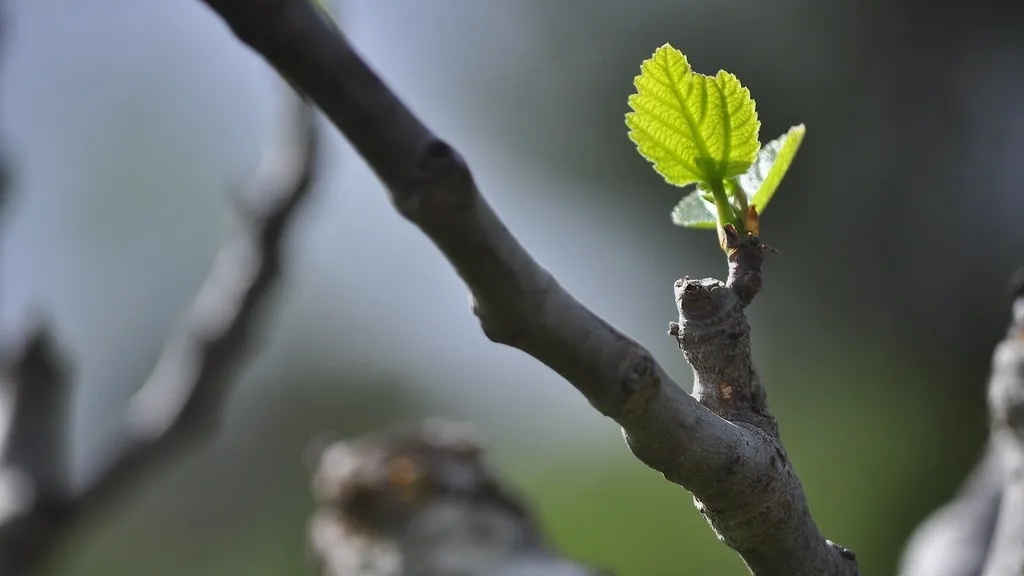
Prune fig trees in late winter, while they are still dormant and just before new buds swell. Remove dead, damaged and crossing wood first, keep 3 to 5 strong main stems (or one trunk if you grow a tree form), and cut back no more than about a third of the tree in a single year. In warm climates where frost isn’t a worry, light shaping right after the summer harvest works too.
Figs are forgiving, fast-growing plants, but a few wrong cuts at the wrong time can cost you a season of fruit. This guide covers when to prune, which tools to use, how to make each cut, how to handle young, old and frost-damaged trees, and the mistakes that most often cost gardeners their crop.
Key takeaways
- Prune in late winter, while the tree is dormant and before buds swell (July–August in the Southern Hemisphere).
- Remove dead, damaged and crossing wood first, then keep 3–5 strong main stems on a bush.
- Cut back no more than about a third of the tree in one year; renovate old trees over 2–3 winters.
- Heavy winter cuts remove the early breba crop; the main crop grows on new wood.
In this guide
When to Prune Fig Trees
The main pruning job happens at the end of dormancy: after the coldest weather has passed but before spring growth starts. Pruning too early in winter can leave fresh cuts exposed to hard freezes, and figs are more cold-sensitive than apples or pears. University of Tennessee Extension master gardeners, for example, time it for the second half of March in East Tennessee.
| Climate / USDA zone | Main (dormant) pruning | Notes |
|---|---|---|
| Zones 6–7 (cold winters, often grown as a bush or in pots) | Early spring, once the risk of hard freezes has passed (around March to April) | Expect some winter dieback. Wait for buds to show so you can see what is alive. |
| Zone 8 | Late winter (around February to early March) | Bush or small tree form both work. |
| Zones 9–11 (mild winters) | Late winter, or lightly after the main harvest in summer | Florida extension advice favors light pruning after fruiting, since heavy winter cuts remove next year’s early crop. |
| UK and similar cool maritime climates | Early spring, plus summer pinching | The RHS recommends pruning twice a year: spring and early summer. |
| Southern Hemisphere | Late winter: roughly July to August | The same rules apply, shifted six months. |
If a late frost burns back new shoots after you’ve pruned, don’t panic. Wait until regrowth starts, then make a second, light pass to remove the dead tips back to live wood.

Breba vs Main Crop: Why Timing Matters
Many fig varieties can produce two crops a year, and knowing which wood carries each one is the key to pruning without losing fruit.
- Breba crop: an early-summer crop that forms on last year’s wood. Heavy winter pruning removes those shoots, and the breba figs with them.
- Main crop: the larger late-summer and fall crop, which forms on the current season’s new growth. Pruning actually encourages this new wood.
For most home gardeners, the main crop is the one that counts, so a moderate late-winter prune is a good trade. If your variety is known for a heavy breba crop and you want both, prune lightly in winter and do any extra shaping right after the breba harvest.

Tools You’ll Need
- Bypass pruners for stems up to about 3/4 inch (2 cm). Bypass blades make clean, healing cuts; anvil pruners tend to crush soft fig wood.
- Loppers for branches up to about 1.5 inches (4 cm).
- A pruning saw for thicker limbs and old trunks.
- Gloves and long sleeves. Fig sap (latex) irritates skin and can cause a rash, especially in sunlight.
- Rubbing alcohol or disinfectant to wipe blades between trees, especially if you’re cutting out diseased wood.
Wear gloves: fig sap is a milky latex that irritates skin, and the RHS advises gloves when pruning. Work from the base upward so sap doesn’t drip onto your hands, and wash off any sap promptly.
How to Prune a Fig Tree, Step by Step
- Step back and look. Decide on the shape you want: a multi-stemmed bush (easiest in cold areas) or a single-trunk tree (best in zone 8 and warmer).
- Remove the 3 Ds. Cut out all dead, damaged and diseased wood back to healthy tissue. Dead fig wood is gray and brittle; live wood is green just under the bark.
- Take out suckers. Remove shoots coming from the roots or base, unless you need one to replace an old stem.
- Choose your main stems. On a bush, keep 3 to 5 well-spaced, vigorous stems. UT Extension’s handout allows up to 5 to 8 on large cold-climate bushes. Cut the rest as close to the ground as you can.
- Open the center. Remove branches growing inward, rubbing against each other, or growing straight down. Good light and airflow help fruit ripen and reduce disease.
- Head back for size and branching. Shorten last year’s growth by about a third to keep fruit within reach and push out new fruiting shoots. Cut just above an outward-facing bud.
- Clean up. Don’t leave stubs, which invite decay. Rake up prunings and dispose of any diseased material rather than composting it.
Pro tip: Cut about 1/4 inch (6 mm) above an outward-facing bud, angled slightly away from it. New growth follows the bud, so this keeps the center of the tree open.
Pruning Young Fig Trees
Training in the first two or three years sets the shape for life. After the first growing season, in late winter, choose 3 to 5 strong, widely spaced shoots as your future main stems and remove the rest. For a single-trunk tree, pick one strong upright shoot instead, and remove low side branches gradually as the canopy develops.
Light tip pruning on young figs encourages branching, which means more fruiting wood later. Don’t expect much fruit in the first year or two anyway; the goal is a strong framework. Our fig tree care guide covers watering, feeding and planting for young trees.
How to Prune an Overgrown Fig Tree
Old figs can become huge, and most of the fruit ends up out of reach. Rather than cutting everything back in one go, renovate over two or three winters:
- Year 1: Remove dead wood and up to a third of the oldest, tallest stems at the base.
- Year 2: Remove another third of the old stems and thin out the vigorous new shoots that appeared.
- Year 3: Finish the job and start normal annual pruning.
Figs regrow strongly from the base, so a hard reset is possible; extension master gardeners in North Carolina describe cutting large trunks down to about 4 feet (1.2 m) to bring a tree back into a bushier, reachable form. Expect fewer figs the season after a hard cut.
Watch: pruning a fig tree
This walkthrough from Epic Gardening shows fig pruning cuts on a real tree.
Pruning After Frost Damage and in Cold Climates
In zones 6 and 7, a hard winter can kill fig stems back to the ground. The roots usually survive and send up new shoots. Wait until growth begins in spring so you can see exactly where live wood starts, then cut dead stems back to the live tissue or down to the base.
If you grow figs in containers or against a wall, the RHS recommends pinching the tips of new summer shoots to keep plants compact and encourage fruiting. In short-summer climates, it also suggests removing any figs larger than a pea at the end of summer, because they won’t ripen before winter. The tiny embryo figs left behind can become next year’s crop.
Common Fig Pruning Mistakes
- Pruning in fall or early winter. Fresh cuts plus hard frost can cause more dieback.
- Cutting too much at once. Removing more than about a third of the tree triggers lots of leafy growth and fewer figs.
- Shearing everything to the same height. This removes most breba fruit and creates a dense thicket of shoots.
- Leaving stubs. Always cut back to a bud, a side branch or the main stem.
- Using dull or anvil pruners. Crushed wood heals slowly.
- Skipping gloves. Fig latex can irritate skin.
Pruning other fruit too? See our main guide to pruning fruit trees and the step-by-step apple tree pruning guide. If you’d like more fig trees from your prunings, our plant propagation guide explains how to root hardwood cuttings.
Helpful gear for this guide
Handy picks that match the advice above.
Quick Reference

FAQ
What month should I prune my fig tree?
In most of the US and Europe, late winter to early spring, roughly February to March, just before buds swell. In cold zones, wait until hard freezes are over. In the Southern Hemisphere, prune around July to August.
Can I prune a fig tree in summer?
Yes, lightly. Pinching shoot tips and removing water sprouts in early summer is fine. In warm climates, light pruning right after the harvest is a good time to shape the tree. Avoid heavy cuts in late summer and fall.
How much can you cut back a fig tree?
Aim to remove no more than about a third of the tree in one year. Overgrown trees are best renovated over two or three winters.
Will pruning a fig tree make it produce more fruit?
Moderate pruning usually helps, because the main crop grows on new wood and better light helps fruit ripen. Very heavy pruning can reduce fruit for a season by removing breba wood and triggering leafy growth.
Should a fig be a bush or a tree?
In colder areas (zone 7 and below), a multi-stemmed bush recovers better from freeze damage. In zone 8 and warmer, either form works; a single trunk takes up less ground space.
Do I need to seal fig pruning cuts?
No. Clean cuts made just above a bud or at the branch collar heal on their own. Extension services generally don’t recommend wound paint on fruit trees.
Sources
- Prune Like a Pro: Figs (UT Extension Knox County Master Gardeners)
- Figs (UF/IFAS Gardening Solutions)
- How to Grow Figs (Royal Horticultural Society)
- Pruning a Large Fig Tree (Durham County Extension Master Gardeners, via Ask Extension)
Timing varies with local climate and variety. Your local extension office can give advice for your area.
This guide contains affiliate links. As an Amazon Associate, FarmingAround earns from qualifying purchases, at no extra cost to you.
Get free farming guides in your inbox
Practical guides, seasonal tips and market updates. No spam, unsubscribe anytime.
Subscribe free

One Comment