
Last updated: November 2026
For most backyards, the best compost tumbler is a dual-chamber model like the VIVOSUN 43-Gallon Dual Rotating Composter: you fill one side while the other side finishes, and turning it takes a few seconds instead of a pitchfork workout. If you want a sturdier frame, the Miracle-Gro Dual Chamber Tumbler has a galvanized steel base. For a small patio, the FCMP HOTFROG rolling composter arrives ready to use, and for large yards with lots of leaves, a simple Geobin open bin often beats any tumbler.
New to composting? Our guide on how to build a compost pile covers the basics, and the free compost calculator helps you balance greens and browns.
Is a compost tumbler worth it?
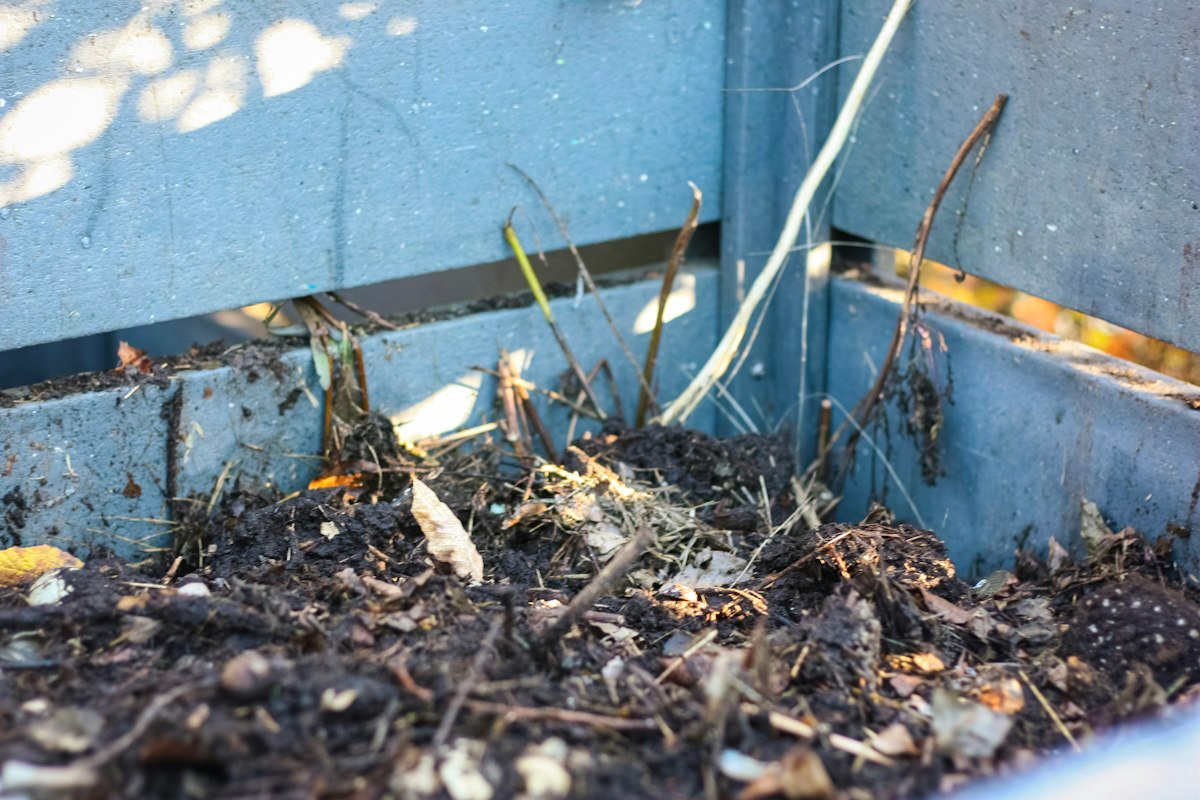
A tumbler is a closed drum on a stand. You turn it every few days instead of forking a pile, and the closed design keeps dogs, raccoons and rats out. That is the big win for small yards, suburban lots and anyone with backyard chickens attracting rodents.
Tumblers are not magic, though. Extension composting guides point out the trade-offs: the chambers are small, and a small, raised batch with air all around it may not get hot enough to kill weed seeds. Some experienced gardeners find tumblers slow and finish the half-done material in a regular pile. A tumbler works best when you fill a whole batch at once, balance it, keep it as damp as a wrung-out sponge and put it in the sun.
Quick picks
- Best overall: VIVOSUN 43-Gallon Dual Rotating Composter
- Best sturdy dual chamber: Miracle-Gro Dual Chamber Compost Tumbler (2 x 18.5 gal)
- Best for patios and small yards: FCMP HOTFROG Half Size Rolling Composter (19 gal)
- Best mobile tumbler: Mantis Back Porch ComposTumbler
- Best large single batch: Lifetime 60058 Compost Tumbler (80 gal)
- Best alternative for big volumes: Geobin expandable compost bin
Comparison at a glance
| Composter | Type | Capacity | Chambers | Frame / material | Best for |
|---|---|---|---|---|---|
| VIVOSUN 43-Gallon | Tumbler on stand | 43 gal total | 2 | Metal frame, PP plastic drum | Most backyards |
| Miracle-Gro Dual | Tumbler on stand | 2 x 18.5 gal | 2 | Galvanized steel base, BPA-free UV-protected plastic | Sturdier build |
| FCMP HOTFROG Half Size | Rolling drum | 19 gal (2.5 cu ft) | 1 | Plastic, no assembly | Patios, small batches |
| Mantis Back Porch | Rolling drum on wheels | 4 bushels | 1 | Plastic drum, wheels | Moving compost to beds |
| Lifetime 60058 | Tumbler on stand | 80 gal (10.7 cu ft) | 1 | Double-wall HDPE, powder-coated steel | Big single batches |
| Geobin | Open bin (not a tumbler) | About 240 gal, expandable | 1 | Plastic mesh panel | Leaves, large yards |
The best compost tumblers
VIVOSUN 43-Gallon Dual Rotating Composter
Best for: beginners and families who make a steady stream of kitchen scraps.
Key specs: Two separate chambers, 43 gallons total, metal frame with a plastic drum, air vents and deep fins on eight panels to break up clumps. Garden gloves included.
Dual chambers fix the biggest frustration with tumblers: you cannot keep adding scraps to a batch that is trying to finish. Fill side A for a few weeks, then close it and start side B. By the time B is full, A is usually ready to cure or use. The fins on the panels give you something to grip, which matters once the drum is heavy and wet.
It is a light, budget build, so assemble it carefully, set it on level ground and do not overfill it. A drum that is too full gets hard to spin and stops mixing.
Pros
- Continuous composting with two sides
- Easy to turn when not overloaded
- Closed design keeps pests out
- Good value for the size
Cons
- Assembly takes some time
- Lighter frame than premium models
- Small batches may not get hot enough to kill weed seeds
Miracle-Gro Dual Chamber Compost Tumbler
Best for: gardeners who want a dual-chamber tumbler with a stronger base.
Key specs: Two 18.5-gallon chambers (37 gallons total), galvanized steel base, side-locking doors with tight seals, BPA-free, food-grade, UV-protected plastic. Maker says compost in 4–6 weeks under good conditions.
This is the same idea as the VIVOSUN, but with a heavier galvanized stand and doors that lock from the side. It is a good choice if your tumbler will sit in full sun and wind all year, or if you want a frame that feels solid when the drum is full.
The 4–6 week claim assumes warm weather, a good mix of greens and browns and regular turning. In a cold winter, expect much slower results from any tumbler.
Pros
- Strong galvanized base
- Tight, lockable doors
- UV-protected, BPA-free plastic
Cons
- A bit less total volume than the VIVOSUN
- Still needs assembly
- Slows down a lot in cold weather
FCMP HOTFROG Half Size Rolling Composter
Best for: patios, balconies with a yard below, renters and very small households.
Key specs: Single 19-gallon (2.5 cu ft) chamber, rolling design, large opening with removable door, aeration holes and deep fins. Arrives ready to use, no assembly.
Instead of spinning on a stand, you roll this drum on the ground, then roll it straight to the garden bed when it is done. No assembly means no wobbly legs to tighten. It is the easiest way to try composting without committing to a big unit.
The size is the limit. Nineteen gallons fills quickly, and small batches lose heat fast, so it works best for kitchen scraps mixed with shredded paper or dry leaves.
Pros
- No assembly
- Roll it to where you need compost
- Easy to load and empty
Cons
- Small capacity
- Single chamber, so batches pause your scraps
- Small batches stay cooler
Mantis Back Porch ComposTumbler
Best for: small properties where you want to wheel finished compost to the beds.
Key specs: Mobile drum holding about 4 bushels, removable door, top air vent, drainage vents and transport wheels. Fully enclosed against odors and animals.
Mantis designed this one for urban yards. The wheels make it easy to roll a full load to the garden, and the vents let water drain so the mix does not turn into a sour, soggy mess, a common tumbler problem after heavy rain.
Pros
- Wheels for moving compost
- Drainage vents help with soggy mixes
- Fully enclosed
Cons
- Single chamber
- Small capacity for large gardens
Lifetime 60058 Compost Tumbler (80 Gallon)
Best for: bigger gardens that want one large batch at a time.
Key specs: 80-gallon (10.72 cu ft) single drum, double-wall HDPE panels to hold heat, powder-coated steel frame, internal aeration bar, extra-large lid and a spring-loaded pin to lock the drum while you fill it.
Volume matters for heat, and this is the largest tumbler on our list. The dark, double-wall panels help the batch stay warm, and the aeration bar mixes the load as it turns. Fill it in one go with a balanced mix of grass clippings, scraps and shredded leaves, then turn it every few days.
A full drum is heavy. Fill it about two-thirds of the way so it still turns easily and has room to tumble.
Pros
- Large batch size
- Double-wall panels hold heat
- Locking pin makes filling easier
Cons
- Single chamber
- Heavy when full
- Takes up more space
Alternative: Geobin Expandable Compost Bin
Best for: large yards, fall leaves, chicken bedding and anyone who wants the most compost for the money.
Key specs: Open, expandable plastic panel bin that holds about 240 gallons, closes with plastic keys, easy to move and reassemble, good ventilation.
This is not a tumbler, and that is the point. A big pile holds heat far better than a small drum, so it can handle a fall’s worth of leaves or used coop bedding that would overflow any tumbler. You turn it with a pitchfork, or simply unclip the panel, move it next to the pile and fork the compost back in.
Many homesteaders run both: a tumbler near the kitchen for scraps, and an open bin by the garden for bulky material.
Pros
- Huge capacity for the price
- Holds heat well when full
- Easy to move or expand
Cons
- Open top, so not rodent-proof for food scraps
- Turning takes real effort
Helpful extras
A 20-inch compost thermometer tells you if a batch is actually heating (130–160°F is the active range) or has stalled. A countertop compost caddy with a charcoal filter makes it easy to collect scraps for a few days before you walk them out.
How we chose
We did not run a side-by-side lab test. We picked these composters by reading each maker’s specs on the product page, checking backyard composting guidance from university extension services, and comparing what experienced gardeners say about tumblers after several seasons of use. We favored designs that are easy to turn, keep pests out and fit common yard sizes, and we included an open bin because many readers are better served by one. Read more about how we research our guides.
What to look for in a compost tumbler
One chamber or two
Two chambers let you keep adding scraps while the other side finishes. A single chamber suits people who collect material and fill a whole batch at once, like after mowing or a fall cleanup.
Capacity
Bigger batches heat up better. If you have a large garden or chickens, a small drum will feel too small within a month. For a couple’s kitchen scraps, 19 to 43 gallons is plenty.
Ease of turning
If it is hard to turn, you will stop turning it. Look for handholds or fins, a balanced axle and a stand at a comfortable height. Never fill a drum to the top.
Air and drainage
Vents let air in and steam out. Drainage holes or vents help when the mix gets too wet, which is the most common reason a tumbler smells.
Material and frame
UV-protected plastic lasts longer in full sun. Galvanized or powder-coated steel frames resist rust better than thin painted tubing.
How to get good compost from a tumbler
Tumbler checklist
- Mix about 2–3 parts browns (dry leaves, shredded paper, straw) to 1 part greens (scraps, grass, coffee grounds, chicken manure).
- Chop or shred big pieces so they break down faster.
- Keep it as damp as a wrung-out sponge; add dry browns if it smells sour.
- Fill about two-thirds full so the contents can tumble.
- Turn it 5–6 times every 2–3 days.
- Place it in full sun; expect slower results in winter.
- Let finished compost cure for a few weeks before using it around seedlings.
Ready to use it? See how much to add in our guides to compost for a vegetable garden and compost for raised beds.
FAQ
How long does a compost tumbler take?
In warm weather with a balanced, moist mix and regular turning, a full batch can be ready in about 4 to 8 weeks, then needs a few weeks to cure. In cool weather, or with lots of woody material, it can take several months.
Why does my compost tumbler smell bad?
Almost always it is too wet or has too many greens. Add dry browns like shredded cardboard or leaves, turn it, and open the door for an hour on a sunny day.
Can I keep adding scraps to a single-chamber tumbler?
You can, but the batch will never finish because fresh material keeps going in. That is why dual-chamber tumblers are popular, or you can keep a bucket of scraps waiting until the current batch is done.
Do compost tumblers kill weed seeds?
Not reliably. Small tumblers often do not stay hot enough for long enough. Keep seeding weeds and diseased plants out, or compost them in a large, hot pile.
Can I put chicken manure in a compost tumbler?
Yes. Chicken manure is a strong green, so mix it with plenty of browns like straw or pine shavings from the coop. Let the finished compost cure before using it on edible crops.
Is a tumbler better than a compost bin?
A tumbler is cleaner, pest-resistant and easier to turn. An open bin holds much more and stays hotter. Small yards with mostly kitchen scraps do well with a tumbler; large gardens with leaves and bedding do better with a bin, or both.
Bottom line
For most people, the VIVOSUN 43-Gallon Dual Composter is the easiest place to start. Choose the Miracle-Gro Dual Chamber for a sturdier base, the FCMP HOTFROG for a small patio, or the Lifetime 80-Gallon for large single batches. If you have a lot of leaves or coop bedding, pair any tumbler with a Geobin for bulk material.
Sources
- LSU AgCenter, Composting Series: Backyard Composting
- Oregon State University Extension, Compost tumbler suggestions
- University of Georgia Extension, composting basics and C:N ratio
- Manufacturer product listings on Amazon (specs as of November 2026)
This guide contains affiliate links. As an Amazon Associate, FarmingAround earns from qualifying purchases, at no extra cost to you.