

Last updated: November 2026
Hydroponic grow media are soil-free materials, such as rockwool, coco coir, expanded clay pebbles and perlite, that hold a plant’s roots in place while a nutrient solution supplies its food and water. The medium itself is mostly inert: its job is to anchor the plant and balance water and air around the roots. The right choice depends on your system: clay pebbles suit deep water culture and ebb-and-flow, starter plugs suit NFT channels, and coco coir or perlite suit drip systems.
This guide explains how grow media work, compares the most common types, matches each to the right hydroponic system, and covers prep, reuse and the beginner mistakes that cause root rot and pH swings.
Key takeaways
- Grow media anchor roots and hold water and air. Nutrients come from your solution, not the medium.
- Water-holding media (rockwool, coco coir, peat plugs) suit seedlings and drip systems.
- Fast-draining media (clay pebbles, perlite, growstones) suit DWC, Kratky and ebb-and-flow.
- Prep matters: soak rockwool at pH 5.5, rinse clay pebbles and coco coir, and wear a dust mask.
In this guide
What Is Hydroponic Grow Media?
In soil, roots get support, water, air and nutrients all from the same place. Hydroponics splits those jobs up. The nutrient solution delivers food and water, and the grow medium handles the rest:
- Support: it holds the plant upright and keeps the root crown in place.
- Water and air balance: good media hold some moisture while leaving air pockets, because roots need oxygen as much as water.
- A clean start: most media are sterile or close to it, so you avoid soil-borne pests and diseases.
Unlike soil, most grow media add few or no nutrients of their own. That’s an advantage: you control exactly what your plants get through the solution. Some systems, such as deep water culture and NFT, use only a small plug or a net pot of media, while drip and Dutch bucket systems use much more.
Common Types of Hydroponic Grow Media
| Medium | Water holding | pH | Reusable? | Watch out for |
|---|---|---|---|---|
| Rockwool | High, with good air space | Raw material 7.0–8.0; adjust to 5.5–6.0 | For a few years with steam sterilizing | High pH, skin and lung irritation, not biodegradable |
| Coco coir | High, with good aeration | Near neutral to slightly acidic | Several cycles, then compost it | Can be salty; needs rinsing and calcium/magnesium |
| Expanded clay pebbles (LECA) | Low, dries quickly | About 7.0, neutral | Yes, for many years | Dust, floats at first, needs frequent watering |
| Perlite | Holds 3–4 times its weight in water | Neutral | Yes | Floats and washes away; dust irritates lungs and eyes |
| Vermiculite | Very high | Slightly alkaline | Breaks down | Waterlogs if used alone; best in mixes |
| Peat or peat-based plugs | Very high | Acidic (raw peat 3.8–4.5) | Short lifespan | Usually needs liming in mixes; sustainability concerns |
| Growstones (recycled glass) | Moderate; wicks water upward | Slightly alkaline | Yes | Can grip roots; rinse off dust |
| Gravel | Low | Use inert, non-limestone gravel | Yes | Heavy, roots can dry out |
| Phenolic foam plugs | Balanced | Varies by brand | Single use, mostly | Synthetic; check the maker’s guidance |
Figures are drawn from Oklahoma State University Extension’s fact sheet on soilless growing media.
Rockwool
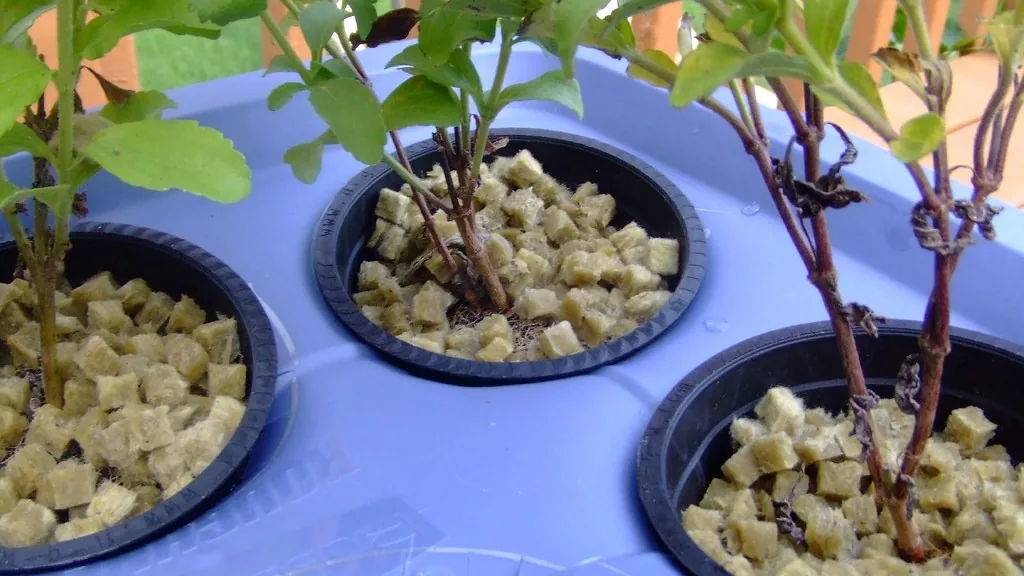
Spun from melted rock into fibers, rockwool comes as small starter cubes, blocks and slabs. It holds plenty of water while keeping air around roots, which makes it a favorite for seedlings and commercial tomato and cucumber production. Its pH starts high, so soak it in a slightly acidic solution before use.
Coco coir
Made from coconut husk fiber, coir holds water well yet stays airy. It’s renewable and easy to compost after use. Some coir contains salts and potassium, so buy a washed, low-salt product or rinse it well, and use a nutrient formula made for coir, which usually means extra calcium and magnesium.
Expanded clay pebbles
Also called LECA or hydroton, these baked clay balls are light, porous and pH-neutral. They drain quickly and hold little water, so they work best where roots also sit in or near the solution, such as deep water culture, Kratky and ebb-and-flow. They last for years if washed between crops.
Perlite and vermiculite
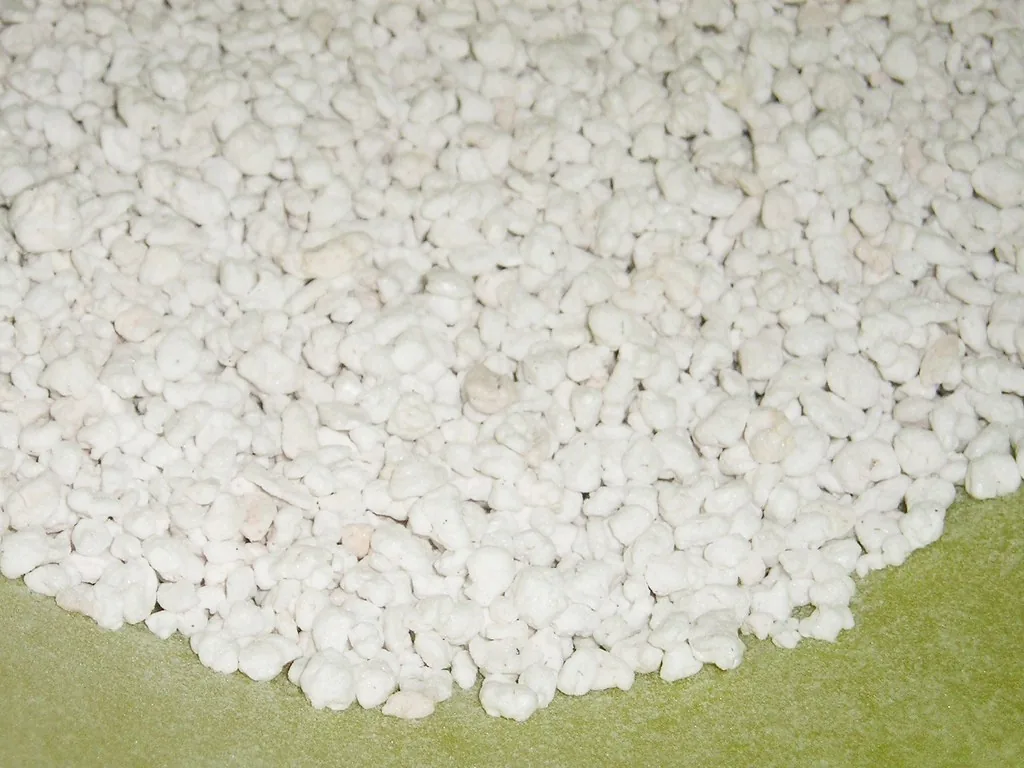
Perlite is expanded volcanic glass that adds air and drainage, while vermiculite holds a lot of water. Both work best in mixes, for example with coco coir in drip systems or wick setups, rather than on their own.
Best Grow Media for Each Hydroponic System
| System | Best media | Why |
|---|---|---|
| Deep water culture (DWC) | Clay pebbles in net pots, with a starter plug | Roots hang in the solution, so the medium only needs to support the plant |
| Kratky (passive) | Clay pebbles, rockwool or coco plugs in net pots | Simple support above a still reservoir |
| Nutrient film technique (NFT) | Rockwool cubes, peat or foam plugs | Small plugs sit in the channel without blocking flow |
| Ebb and flow (flood and drain) | Clay pebbles, growstones or rockwool cubes | Heavy enough not to float away and drain fast between floods |
| Drip and Dutch bucket | Coco coir, coco-perlite mix or rockwool slabs | Hold moisture between irrigation cycles |
| Wick systems | Perlite, vermiculite or coco mixes | Wick water upward well |
| Microgreens trays | Hemp or coco mats | Thin, clean surface for dense sowing |
If you’re growing microgreens, our guides to how to grow microgreens and choosing a microgreens growing kit cover mats and trays in detail. For fruiting crops, see our strawberry hydroponic system guide.

Watch: Hydroponic growing media 101
This short overview introduces the main hydroponic growing media and how they’re used.
How to Prepare Grow Media
Rockwool
- Wear gloves, a dust mask and eye protection.
- Soak cubes or slabs in water adjusted to about pH 5.5 for several hours or overnight.
- Let excess water drain, but don’t squeeze the cubes, which crushes the air spaces.
- Check the runoff pH once plants are in, since rockwool can keep nudging pH upward.
Clay pebbles
- Rinse in a bucket or colander until the water runs clear, to remove dust that can clog pumps and drippers.
- Soak them for a few hours so they absorb water and stop floating.
Coco coir
- Rehydrate compressed bricks in water.
- Rinse well, especially if the product isn’t labeled as washed or low-salt.
- Use a coir-specific nutrient, or add calcium and magnesium, as directed on the label.
Protect your lungs and skin. Dry rockwool, perlite and growstone dust irritate the skin, eyes and lungs. Pre-wet these media and handle them outdoors or in a well-ventilated area while wearing a dust mask, gloves and eye protection.
Can You Reuse Hydroponic Grow Media?
Some media can be reused, which saves money and waste:
- Clay pebbles, growstones and gravel: remove old roots, wash thoroughly, sterilize, rinse and reuse for years.
- Rockwool: can be steam-sterilized and reused for a few crops if it’s disease-free, but many growers replace starter cubes each time.
- Coco coir: may last a few cycles, then can be added to compost or garden beds.
- Peat plugs, foam plugs and vermiculite: usually single use.
Never reuse media from plants that had root rot or other disease without sterilizing it, and when in doubt, start fresh.
Pro tip: Keep a dedicated bin of washed, dry clay pebbles ready to go. When one crop finishes, you can replant immediately while the used batch is being cleaned.
Common Grow Media Mistakes
- Skipping the rockwool soak. Unadjusted rockwool can push your pH too high.
- Not rinsing clay pebbles. Dust clouds the reservoir and clogs pumps.
- Using too much water-holding media in a wet system. Roots suffocate and rot when there’s no air space.
- Using perlite in flood systems. It floats and washes away.
- Ignoring salts in coco coir. Unwashed coir can stress plants.
- Letting light reach wet media. Algae grows on lit, wet surfaces. Cover the top of net pots or slabs.
- Using limestone gravel or sand. It raises pH steadily. Use inert materials only.
Helpful gear for this guide
Handy picks that match the advice above.
Links go to Amazon. Prices and availability change, so check reviews and fit for your setup before buying.
Grow Media at a Glance

FAQ
What is the best hydroponic grow medium for beginners?
Clay pebbles are forgiving and reusable for DWC and Kratky, and rockwool or peat plugs make starting seedlings easy. Coco coir is a good all-rounder for drip systems.
Do grow media provide nutrients?
Very little. Most are inert, and plants get their nutrients from the hydroponic solution. Coco coir can release some potassium and hold onto calcium and magnesium, which is why coir nutrient formulas differ.
Can I use soil in hydroponics?
No. Soil clogs systems and brings pests and disease into the water. Use a soilless medium.
Is rockwool bad for the environment?
Rockwool isn’t biodegradable, so used slabs and cubes end up as waste unless recycled. Coco coir and other plant-based media are easier to dispose of in compost.
Why do I need to soak rockwool?
Raw rockwool has a pH of about 7.0–8.0, which is too high for most hydroponic crops. Soaking it in water adjusted to around pH 5.5 brings it into a better range before planting.
Sources
- Soilless Growing Mediums (Oklahoma State University Extension)
- Hydroponic Grow Media: Common Types (Johnny’s Selected Seeds)
This guide contains affiliate links. As an Amazon Associate, FarmingAround earns from qualifying purchases, at no extra cost to you.




One Comment