

Last updated: September 2026
This guide contains affiliate links. As an Amazon Associate, FarmingAround earns from qualifying purchases, at no extra cost to you.
There are four main types of goats: dairy goats (such as Nubian, Saanen, Alpine and Nigerian Dwarf), meat goats (Boer, Kiko, Spanish), fiber goats (Angora for mohair, plus cashmere types) and miniature or pet goats (Pygmy and Nigerian Dwarf). Many breeds do more than one job, and the right one depends on what you want, your climate and how much room you have.
This guide covers the most popular goat breeds with pictures, a quick-facts comparison table, temperament and climate notes, and a simple way to choose your first goats.
Key takeaways
- For milk: Saanen and Alpine give the most; Nubian and Nigerian Dwarf give the richest milk for cheese.
- For meat: Boer grows fastest, while Kiko and Spanish goats are tougher and more parasite resistant.
- For fiber: Angora goats grow mohair; cashmere is a type of goat, not a single breed.
- Always keep at least two: goats are herd animals and get stressed alone.
In this guide
The Main Types of Goats
| Type | Bred for | Popular breeds | Best for |
|---|---|---|---|
| Dairy | Milk | Saanen, Alpine, Nubian, LaMancha, Toggenburg, Oberhasli, Nigerian Dwarf | Home milk, cheese, soap |
| Meat | Growth and muscling | Boer, Kiko, Spanish, Savanna, Myotonic | Meat, brush clearing |
| Fiber | Mohair or cashmere | Angora, Pygora, cashmere-type goats | Spinners and fiber farms |
| Miniature / pet | Small size, companionship | Pygmy, Nigerian Dwarf | Small properties, families |
In the US, dairy goats are registered by the American Dairy Goat Association (ADGA) and the American Goat Society. Most dairy breeds are of European origin, while the Nigerian Dwarf descends from West African goats and the LaMancha was developed in the United States.
Goat Breeds Comparison Table
Dairy doe weights are breed-standard minimums and milk figures are breed averages from Mississippi State University Extension. Other figures come from Oklahoma State University’s Breeds of Livestock and The Livestock Conservancy. A dash means no reliable figure is published.
| Breed | Type | Mature doe weight | Butterfat | Known for | Climate |
|---|---|---|---|---|---|
| Saanen | Dairy | 135+ lb (61+ kg) | 3–3.5% | High milk volume, white coat | Cooler; needs shade |
| Alpine | Dairy | 135+ lb (61+ kg) | 3.5% | High volume, many colors | Any climate |
| Nubian | Dairy / all-purpose | 135+ lb (61+ kg) | 4.6–5% | Long ears, rich milk | Best dairy breed for heat |
| LaMancha | Dairy | 130+ lb (59+ kg) | 3.9–4.2% | Tiny ears, calm, sturdy | Adaptable |
| Toggenburg | Dairy | 120+ lb (54+ kg) | 3.3–3.7% | Oldest known dairy breed | Cooler |
| Oberhasli | Dairy | 120+ lb (54+ kg) | About 3.7% | Bay color, black markings | Adaptable |
| Nigerian Dwarf | Dairy / mini | About 75 lb (34 kg) | 6–10% | Small, gentle, rich milk | Adaptable |
| Boer | Meat | About 140–225 lb (64–102 kg) | – | Fast growth, muscling | Dry climates; struggles with humid-climate parasites |
| Kiko | Meat | – | – | Hardy, parasite resistant | Humid, subtropical |
| Spanish | Meat / brush | Typically 60–125 lb (27–57 kg) | – | Thrives on rough forage | Hot and humid |
| Myotonic | Meat | 50–150 lb (23–68 kg) | – | Docile; stiffens when startled | Adaptable |
| Angora | Fiber (mohair) | 70–110 lb (32–50 kg) | – | Mohair, sheared twice a year | Must avoid cold rain after shearing |
| Pygmy | Pet / mini | – | – | Stocky, compact | Adaptable |
Dairy Goat Breeds
Dairy goats are lean and angular, and an average lactation lasts about 284 days, or just over 9 months. Mississippi State Extension recommends Nubian and Nigerian Dwarf milk for cheese because of its high butterfat, and Saanens for sheer volume.
- Saanen: from Switzerland’s Saanen Valley. White or cream, large and calm, averaging about 2,700 lb (1,225 kg) of milk per lactation. Sensitive to strong sun, so it does best in cooler areas with shade.
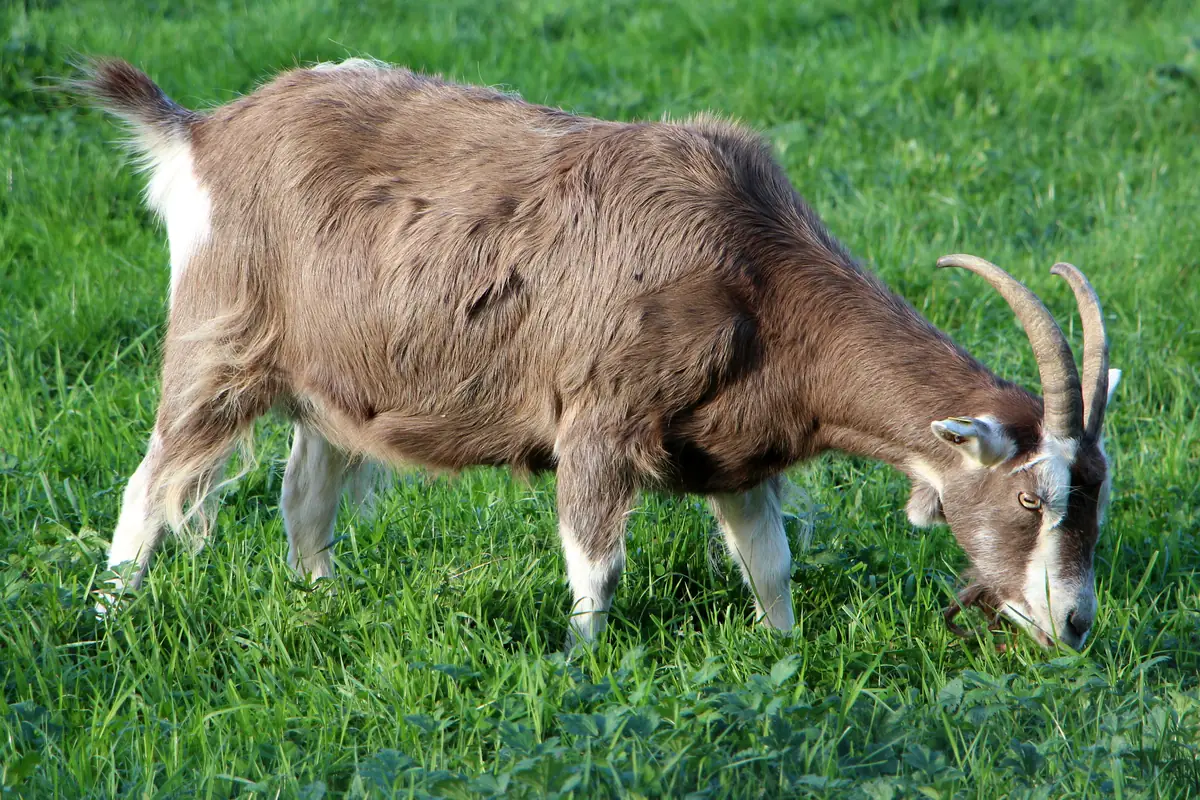
- Alpine: from the French Alps, in a wide range of colors and patterns. A heavy milker that Oklahoma State describes as thriving in any climate.
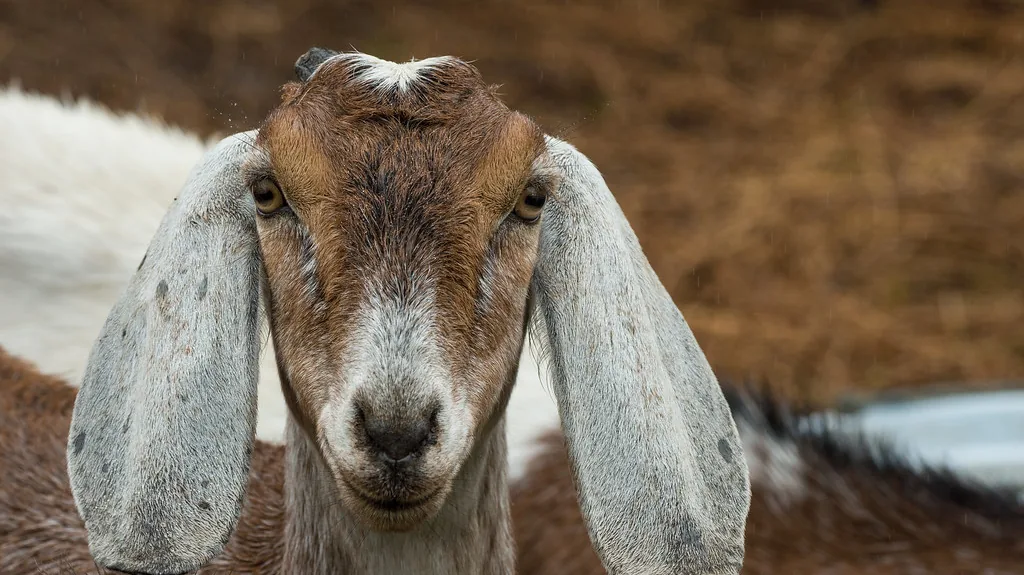
- Nubian (Anglo-Nubian): developed in England from British, African and Indian goats. Instantly recognizable by its long, droopy ears and Roman nose. It gives less milk but more butterfat and is the dairy breed best suited to hot conditions.
- LaMancha: developed in Oregon and known for its tiny “gopher” or “elf” ears. Calm, sturdy and a steady producer even in tough conditions.
- Toggenburg: considered the oldest known dairy goat breed, from Switzerland. Brown with white face stripes; performs best in cool climates.
- Oberhasli: a Swiss breed with a red-bay coat and black markings, vigorous and alert.
- Nigerian Dwarf: a miniature dairy goat, no taller than 22.5 in (57 cm) for does, with milk of 6–10% butterfat. Gentle and easy to handle, even the bucks.
Pro tip: for a family that wants milk on a small property, two Nigerian Dwarf does are a popular start: small, gentle and rich-milked. Plan on milking twice a day while they’re in milk.
Meat Goat Breeds
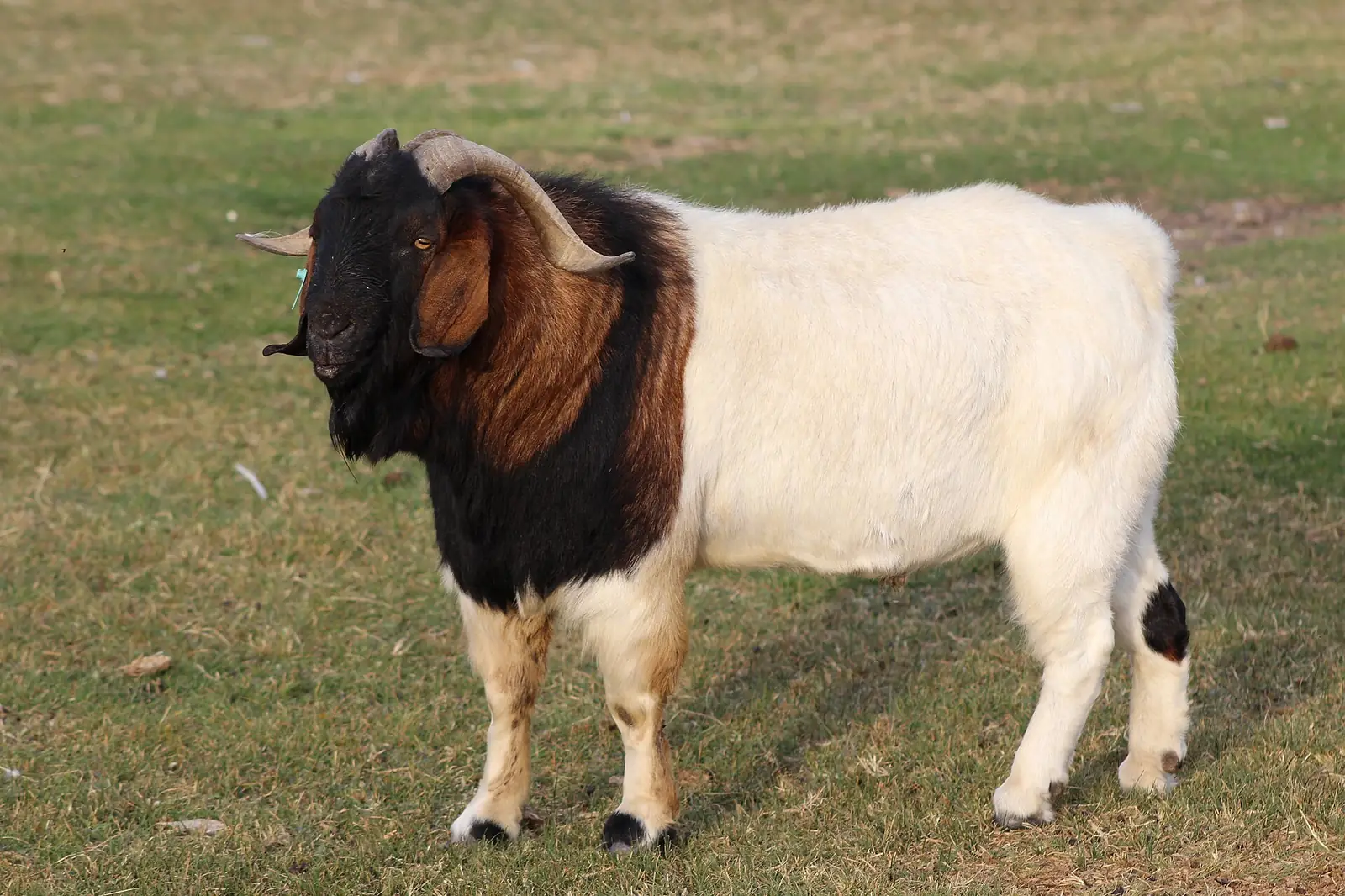
Boer goats come from South Africa and have been in the US since 1993. They’re big, heavily muscled, horned and lop-eared, usually with a white body and red-brown head, and twins are common. Reported doe weights range from about 140 lb (UF/IFAS) to 200–225 lb (Oklahoma State). Boers grow fast, but in a Tennessee State University study in the humid Southeast they had more lameness, worm problems and losses than Kiko or Spanish does. Our full guide to Boer goats covers the breed in detail.
- Kiko: bred in New Zealand from feral goats for survival and growth in rough hill country. Resistant to internal parasites and suited to humid, subtropical conditions. In the same Tennessee study, Kiko does weaned nearly twice as much kid weight per year as Boer does.
- Spanish: descended from goats brought by Spanish explorers from the 1500s. Hardy, thrives on brush and rough forage, and among the most parasite-resistant goats available. Often not especially friendly with people.
- Savanna: a white South African breed with black skin, hooves and horns that protect it from strong sun. Known for fertility, mothering and hardiness.
- Myotonic (Tennessee Fainting): a docile heritage breed whose muscles briefly stiffen when startled, sometimes tipping it over. It’s not a true faint. Because they’re poor climbers and jumpers, they’re somewhat easier to fence.
Cornell University’s advice holds for every meat breed: judge the actual animal in front of you rather than buying on breed name alone.
Watch: Breeds of Meat Goats
Oklahoma State University’s meat goat extension team explains the main meat goat breeds in this video.
Fiber Goat Breeds
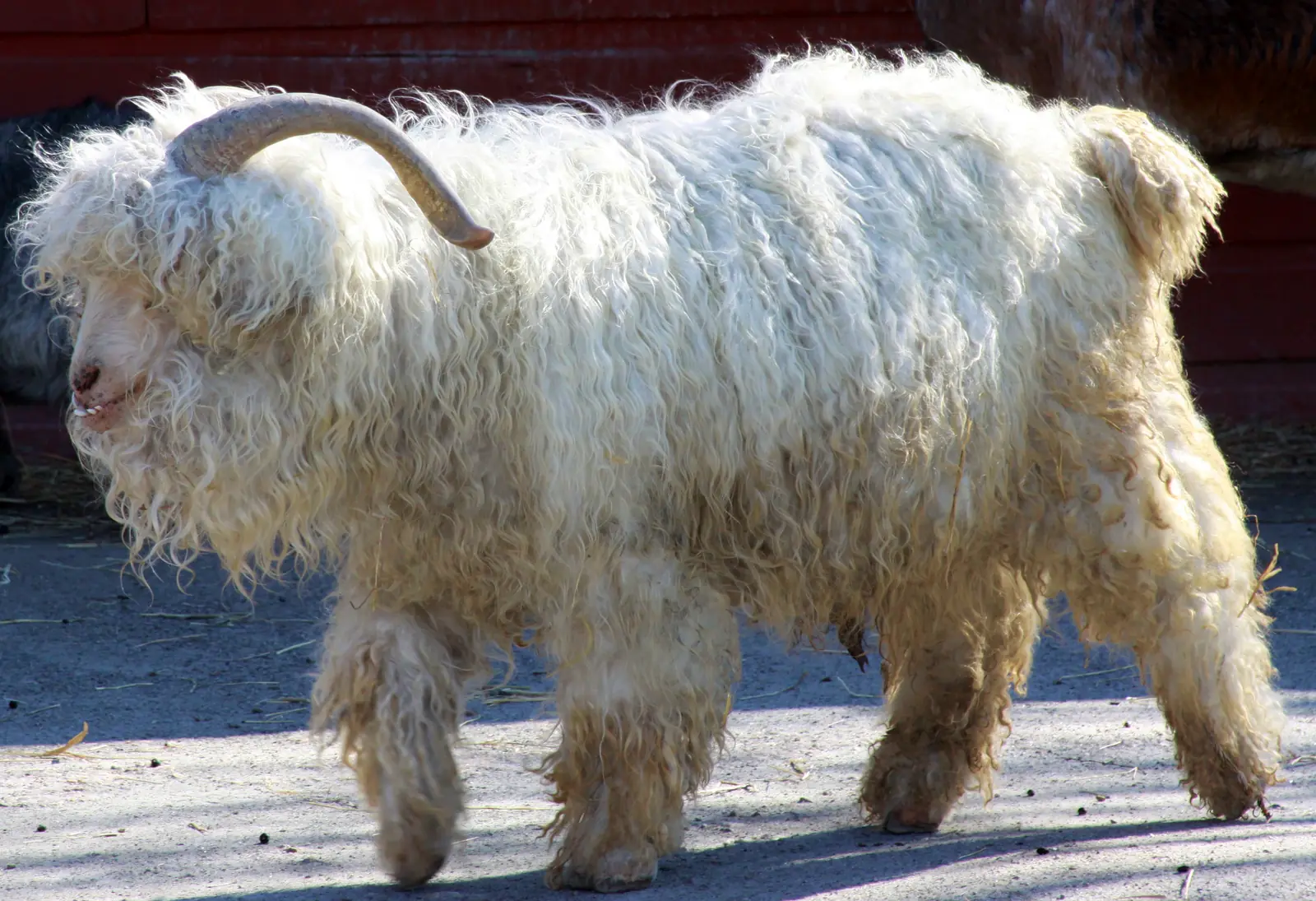
Angora goats, originally from the Ankara region of Turkey, produce mohair. US Angoras yield about 5.3 lb (2.4 kg) of mohair per shearing and are usually sheared twice a year. They’re one of the more delicate goats: freshly shorn Angoras can’t cope with cold, wet rain, so they need good shelter. (Angora wool, confusingly, comes from Angora rabbits.)
Cashmere isn’t a breed. According to UC Agriculture and Natural Resources, it’s a type of goat: most breeds except Angora can grow the fine winter down in varying amounts, and Spanish and Myotonic goats are among those that do. Pygoras, a cross between registered Angora and Pygmy goats, grow three recognized fleece types, from long mohair-like locks to fine cashmere-like down, and are known for being friendly and easy to handle.
Miniature and Pet Goat Breeds
Pygmy goats came originally from West Africa (the Cameroon Dwarf goat) and are stocky, short-legged and compact, with a meat-type build. Nigerian Dwarfs are the same small size but built like miniature dairy goats, so they also give milk. Both are popular with families and small homesteads, but they still need proper shelter, hoof care, vaccinations and a secure fence, since small goats squeeze through gaps easily.
Never keep a goat alone. Penn State Extension advises keeping at least two goats. A lonely goat cries constantly, stresses and is more likely to escape.
Best Goat Breeds by Climate
- Hot and humid: Nubian (dairy), Kiko, Spanish and Savanna (meat). Humid regions bring heavy worm pressure, so parasite resistance matters.
- Hot and dry: Boer and Savanna, both bred in South Africa.
- Cool: Saanen and Toggenburg perform best in cooler weather. Give Saanens shade, since their pale skin is sun-sensitive.
- Anywhere: Alpine is known for adapting to almost any climate.
In the Southern Hemisphere, Boer, Kiko, Saanen and Anglo-Nubian goats are widely kept in Australia and New Zealand, where Kikos were first developed.
How to Choose the Right Goat Breed
- Pick a purpose: milk, meat, fiber, brush clearing or pets.
- Match your climate and parasite pressure: hardy Kiko or Spanish goats save a lot of worming in humid areas.
- Check your space and fencing: use woven wire with openings under 4 in (10 cm) so goats can’t get their heads stuck, or an electric fence with at least five hot wires.
- Consider size and temperament: Nigerian Dwarf, LaMancha and Myotonic goats are calm and easy for beginners.
- Buy healthy stock: choose tested, well-kept animals from a reputable breeder and see the herd first.
Before your goats arrive, read our guide to what goats can eat, including the plants that are toxic to them. To see how goats compare as a small-farm enterprise, check our guide to the most profitable farm animals, and for fitting them onto a small property, see homesteading on an acre.
Helpful gear for this guide
Handy picks that match the advice above.
Links go to Amazon. Prices and availability change, so check reviews and fit for your setup before buying.
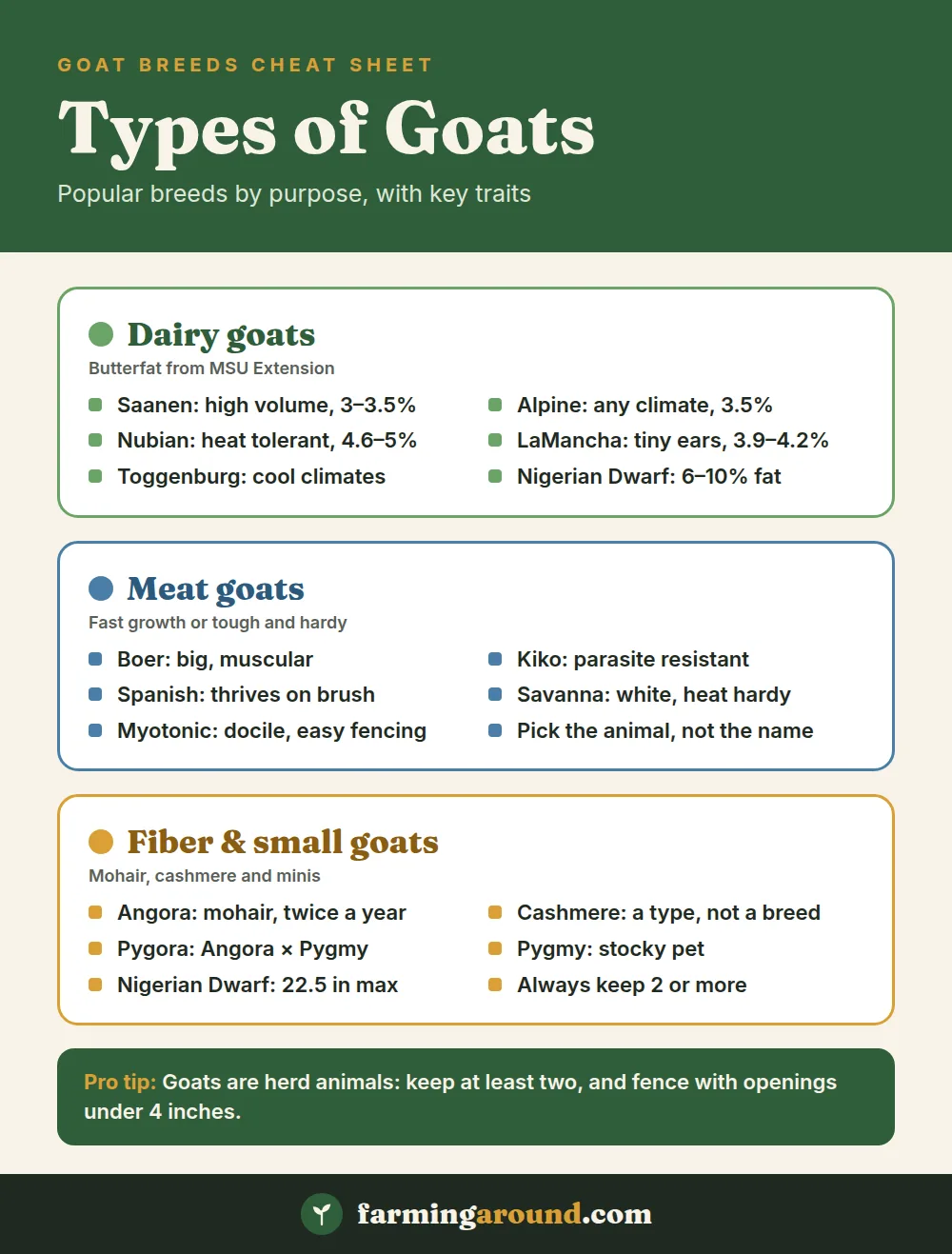
At a Glance: Types of Goats
FAQ
What are the four types of goats?
Goats are usually grouped as dairy, meat, fiber and miniature or pet goats. Some breeds, like the Nubian, are considered all-purpose.
What is the best goat breed for beginners?
Nigerian Dwarf goats are a popular beginner choice because they’re small, gentle and give rich milk. For meat, hardy Kiko or Myotonic goats are forgiving.
Which goat gives the most milk?
Alpine and Saanen goats give the highest volumes, each averaging about 2,700 lb of milk per lactation. Nigerian Dwarfs and Nubians give less milk but much higher butterfat.
What is the smallest goat breed?
The Nigerian Dwarf and Pygmy are the smallest common breeds. Nigerian Dwarf does stand no more than 22.5 in (57 cm) tall.
Can you keep just one goat?
No. Goats are herd animals, and extension services advise keeping at least two. A wether (castrated male) makes a good companion for a single doe.
What is the difference between mohair and cashmere?
Mohair comes from Angora goats and is long and lustrous. Cashmere is the fine winter undercoat that many other goat breeds grow; it’s a fiber type, not a breed.
Sources
- Dairy Goat Breeds (Mississippi State University Extension)
- Breeds of Livestock: Goats (Oklahoma State University)
- Spanish Goat (The Livestock Conservancy)
- Raising Goats (Penn State Extension)
Breed traits vary between herds. For health, feeding and vaccination questions, talk to a vet who treats goats or your local extension office.

4 Comments