

Last updated: October 2026
Narragansett turkeys are a calm, heritage turkey breed from Rhode Island, known for their striking black, gray, tan and white plumage, excellent foraging and rich-flavored meat. Young toms reach about 23 lb (10.4 kg) and young hens about 14 lb (6.4 kg). Hens are good mothers that go broody readily, and the breed mates naturally, so you can keep a breeding flock going year after year.
This profile covers where the breed came from, how to recognize it, what to expect for meat and eggs, and the day-to-day care that keeps a small flock healthy. If you are new to turkeys, it also helps you decide whether a Narragansett is the right fit for your farm or homestead.
Key takeaways
- Heritage breed developed around Narragansett Bay, Rhode Island, and recognized by the American Poultry Association in 1874.
- Size: young toms about 23 lb (10.4 kg), young hens about 14 lb (6.4 kg); mature birds are heavier.
- Temperament: usually calm and people-friendly, but they fly well and will roost in trees if you let them.
- Best for: pasture-based homesteads that want flavorful meat, natural breeding and broody hens.
In this guide

Narragansett Turkey Quick Facts
| Trait | Narragansett turkey |
|---|---|
| Origin | Narragansett Bay area, Rhode Island, USA |
| Breed type | Heritage (naturally mating, standard-bred) |
| APA recognition | 1874 |
| Conservation status | Watch (The Livestock Conservancy) |
| Young tom weight | About 23 lb (10.4 kg) |
| Young hen weight | About 14 lb (6.4 kg) |
| Mature weights | Toms up to about 28 lb (12.7 kg); hens about 18 lb (8.2 kg) |
| Eggs | About 50–100 per laying season; cream to light brown with speckles |
| Broodiness | High; hens are attentive mothers |
| Climate | Cold-hardy; developed in New England |
| Main use | Meat, breeding stock, pasture and pest-control flocks |
History and Origin
The Narragansett is one of the oldest turkey varieties in North America. It takes its name from Narragansett Bay in Rhode Island, where farmers crossed wild Eastern turkeys with domestic turkeys brought over by colonists in the 1600s. Those imported birds may have included the European Norfolk Black.
Over roughly a century of selection, the Narragansett became the backbone of New England’s early turkey industry, especially in Rhode Island and Connecticut. The American Poultry Association added it to its Standard of Perfection in 1874. Through the early 1900s, larger farms switched to Bronze turkeys, and later to the Broad Breasted White, so Narragansett numbers fell sharply. By the late 1990s only a handful of breeding birds were known in the United States.
Conservation breeders and small farms have brought the breed back from the edge. The Livestock Conservancy now lists it as Watch, which means numbers have improved but the breed still needs dedicated keepers. If you are curious about turkey vocabulary along the way, see what a group of turkeys is called.
Appearance and Size
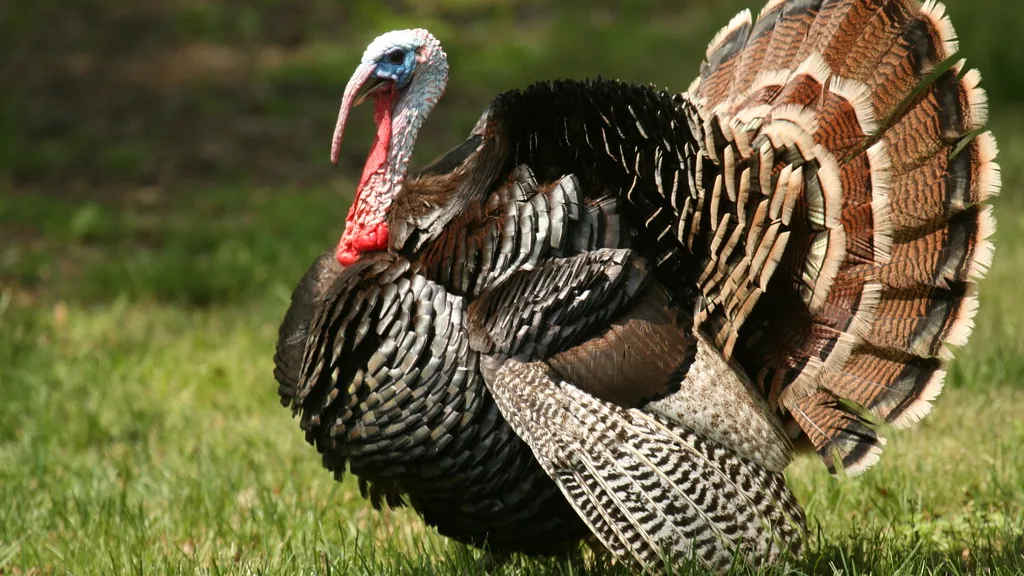
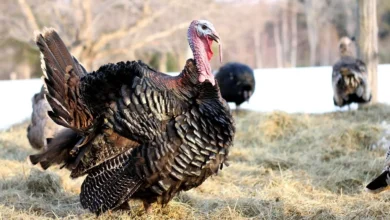
A Narragansett looks a lot like a Bronze turkey, but the coppery bronze sheen is replaced by steel gray and dull black. The overall effect is a soft mix of black, gray, tan and white, with each feather edged in a lighter band. The wings are barred in black and white.
- Head and wattles: red, turning bluish-white when the bird is excited.
- Beak: horn-colored.
- Beard: black, most visible on toms.
- Legs and feet: salmon to orange-pink.

Toms are much bigger than hens and strut with a fanned tail, puffed body feathers and a long snood. Hens are smaller, plainer and lighter on their feet. Because the breed was never selected for an oversized breast, birds keep a balanced, athletic shape and can walk, run and fly normally throughout their lives.
Temperament and Behavior
Narragansetts have a reputation as one of the gentler turkey breeds. Well-socialized birds often follow their keepers around the yard and come running at feeding time. That said, temperament depends a lot on the bloodline and how the birds are raised. Some lines are calm and docile; others produce pushy toms, especially during the spring breeding season.
Two traits catch new owners off guard:
- They fly. Heritage turkeys are far more athletic than commercial birds. Read our guide to whether turkeys can fly for practical ways to keep them home.
- They like to roost high. Without a secure shelter and some training to go in at dusk, they will choose the tallest tree they can find.
Pro tip: Handle poults gently and often in the first few weeks, and feed them from your hand. Turkeys raised this way are usually much calmer and easier to move as adults.
Meat and Egg Production
Meat
The Narragansett is mainly a meat breed, prized for well-flavored meat with more dark meat than a commercial bird. Like other heritage turkeys, it grows slowly: heritage birds generally take about 26–28 weeks to reach market weight, compared with roughly 14–20 weeks for Broad Breasted types. Expect a smaller, more evenly shaped carcass rather than a huge breast.
One practical downside: the dark pin feathers can leave small marks on the skin, so plucking takes a little more care if you want a clean-looking bird.
Eggs
Narragansett hens lay seasonally, usually in spring, and a good hen can produce about 50–100 large eggs a season. The eggs are cream to light brown with speckles. Turkey eggs are edible and taste much like chicken eggs, just bigger. Our guide to turkey eggs covers laying, incubation and eating them.
Hens are among the broodiest turkeys. Many keepers use them to hatch eggs from less broody breeds, and they tend to be attentive mothers that keep poults close.
Raising and Caring for Narragansetts
Brooding poults
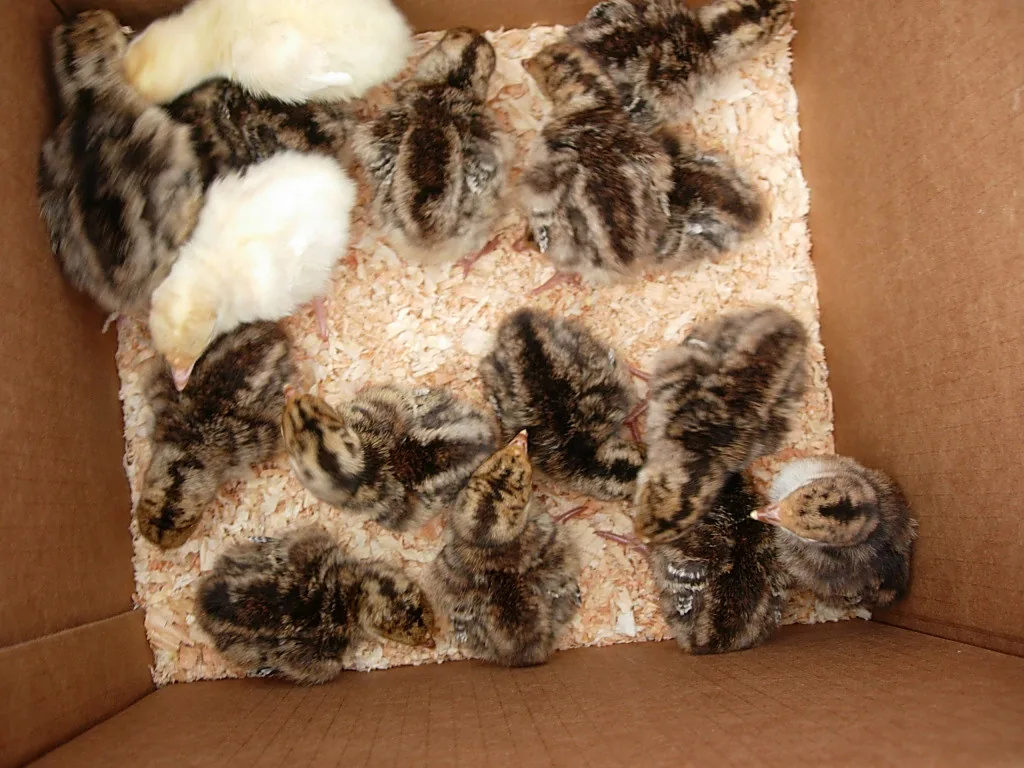
Turkey poults need steady warmth for their first several weeks. Start the brooder at about 95°F (35°C) at poult level and lower it by about 5°F (3°C) each week until they are feathered. A brooder heat plate lets poults move closer or farther away as they need and carries less fire risk than a heat lamp. Watch their behavior: poults huddled under the heat are cold, while poults spread to the edges and panting are too warm.
Feeding
Poults need more protein than chicks, so feed a turkey or game bird starter (typically around 26–28% protein) rather than standard chick starter. As they grow, switch to a grower ration and then a maintenance or breeder feed. Narragansetts are excellent foragers and will happily eat grass, seeds and insects on pasture, which can trim your feed bill. For details on rations, greens and treats, see what turkeys eat.
Housing and fencing
Give adults a dry, well-ventilated shelter with sturdy roost bars placed fairly high, since turkeys like to perch. They need more room than chickens, so plan generous floor space and an outdoor run or pasture. To keep them in and predators out, use tall fencing or electric poultry netting, and lock birds in at night if foxes, coyotes, raccoons or owls are around. Some keepers trim the flight feathers on one wing to discourage flying out.
Keep turkeys apart from chickens if you can. Chickens can carry the parasite that causes blackhead disease (histomoniasis) without getting very sick, but it can be deadly to turkeys. If you must keep them together, talk to your vet or local extension office about the risks and good sanitation.
Health and hardiness
Because they were developed in New England, Narragansetts handle cold winters well as long as they have shelter from wind and wet. Provide shade and plenty of clean water in hot weather. Check birds regularly for lameness, parasites and changes in appetite, and buy stock from breeders that select for health and good temperament.
Watch: Free-range Narragansett turkeys
This short clip shows a flock of Narragansett turkeys ranging outdoors, which gives a good feel for their color and size.
Pros and Cons
| Pros | Cons |
|---|---|
| Usually calm and friendly with good handling | Strong fliers that may roost in trees |
| Flavorful meat with plenty of dark meat | Slower growth than commercial turkeys |
| Mates naturally, so you can breed your own | Dark pin feathers make plucking slower |
| Broody hens and good mothers | Seasonal laying with modest egg numbers |
| Excellent foragers and cold-hardy | Temperament varies by bloodline |
Who Should Raise Narragansett Turkeys?
The Narragansett is a strong choice if you:
- Want a heritage turkey for the holiday table and don’t mind waiting six to seven months to harvest.
- Have pasture or a large run where birds can forage.
- Plan to keep a small breeding flock and hatch your own poults.
- Want to help conserve a historic American breed.
It is a weaker fit if you need the biggest possible bird in the shortest time, have no room for tall fencing, or live somewhere where neighbors would not appreciate a tom gobbling at dawn. If you are planning a mixed small farm, our guide to homesteading on an acre can help you work out space for poultry.
Helpful gear for this guide
Handy picks that match the advice above.
Links go to Amazon. Prices and availability change, so check reviews and fit for your setup before buying.
At a Glance
Here are the key facts in one place:

FAQ
Are Narragansett turkeys friendly?
Most are calm and people-friendly, especially when handled from a young age. Temperament varies by bloodline, and toms can get pushy in the spring breeding season.
How big do Narragansett turkeys get?
Young toms weigh about 23 lb (10.4 kg) and young hens about 14 lb (6.4 kg). Mature toms can reach about 28 lb (12.7 kg) and mature hens about 18 lb (8.2 kg).
How many eggs do Narragansett turkeys lay?
A hen typically lays about 50–100 large, speckled cream to light brown eggs per laying season, mostly in spring.
Can Narragansett turkeys fly?
Yes. They are agile fliers and like to roost high, so use tall fencing or a covered run, and train them to go into a shelter at night.
How long do Narragansett turkeys take to reach butcher weight?
As a heritage breed they grow slowly, usually around 26–28 weeks, which is much longer than commercial Broad Breasted turkeys.
What is the difference between Narragansett and Bronze turkeys?
They share a similar feather pattern, but the Narragansett has steel gray and dull black where the Bronze shows a coppery bronze sheen.
Sources
- The Livestock Conservancy: Narragansett Turkey
- Oklahoma State University Breeds of Livestock: Narragansett Turkeys
For feeding, housing or health questions about your own flock, check with a poultry vet or your local extension office.
This guide contains affiliate links. As an Amazon Associate, FarmingAround earns from qualifying purchases, at no extra cost to you.
Get free farming guides in your inbox
Practical guides, seasonal tips and market updates. No spam, unsubscribe anytime.
Subscribe free

2 Comments