

Last updated: November 2026
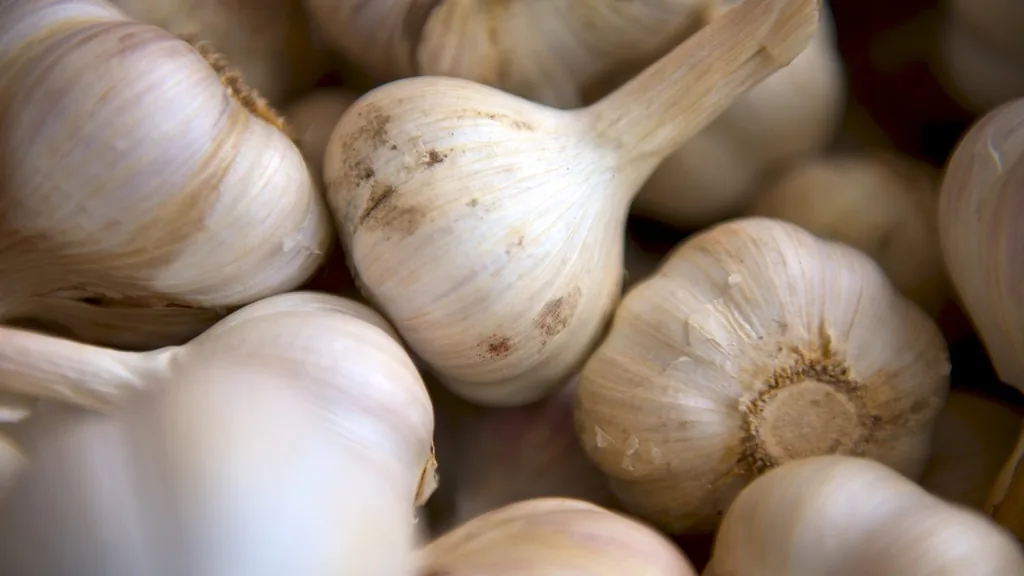
The best way to store garlic is to keep whole, unpeeled bulbs somewhere cool, dark, dry and airy, such as a mesh bag or basket in a pantry, not in the fridge. Stored this way, well-cured softneck garlic can last up to about 9 months and hardneck garlic up to about 6 months. Once you break a bulb apart, use the cloves within a week or two, and for longer storage, freeze or dry it.
This guide walks through each storage method step by step, how to cure homegrown garlic so it keeps, the one popular method that can be dangerous (garlic in oil), and how to tell when garlic has gone bad.
Key takeaways
- Whole bulbs: cool, dark, dry and well ventilated. A mesh bag, basket or braid is ideal.
- Skip the fridge for whole bulbs: it’s humid and encourages sprouting and mold.
- Freeze or dry for the long term: freeze whole, chopped or puréed, or dry slices at 140°F (60°C).
- Garlic in oil is risky: keep it in the fridge and use within 4 days, or freeze it, because of botulism risk.
In this guide
Storage Methods Compared
| Method | How long it keeps | Best for |
|---|---|---|
| Whole bulbs, cool pantry | Several months; softneck up to ~9, hardneck up to ~6 when well cured | Everyday use and homegrown harvests |
| Loose unpeeled cloves, pantry | About 1–2 weeks | Bulbs you’ve already started |
| Peeled cloves, fridge | A few days; use soon | Prepped garlic for the week ahead |
| Garlic in oil, fridge | 4 days maximum | Small batches for immediate use |
| Frozen (whole, chopped or purée) | Several months; best flavor within a few months | Surplus garlic, cooking |
| Dried slices or powder | Many months in an airtight jar | Seasoning and long-term pantry storage |
Storage life depends a lot on how well the garlic was grown and cured, its variety, and the conditions in your home. Treat these as guides and check your garlic regularly.
How to Store Whole Garlic Bulbs
Whole bulbs keep longest because the papery wrappers protect each clove from drying out and from mold.
- Choose firm, dry bulbs. Skip any with soft spots, mold or green shoots poking out.
- Keep them whole. Don’t break bulbs apart or peel them until you need them.
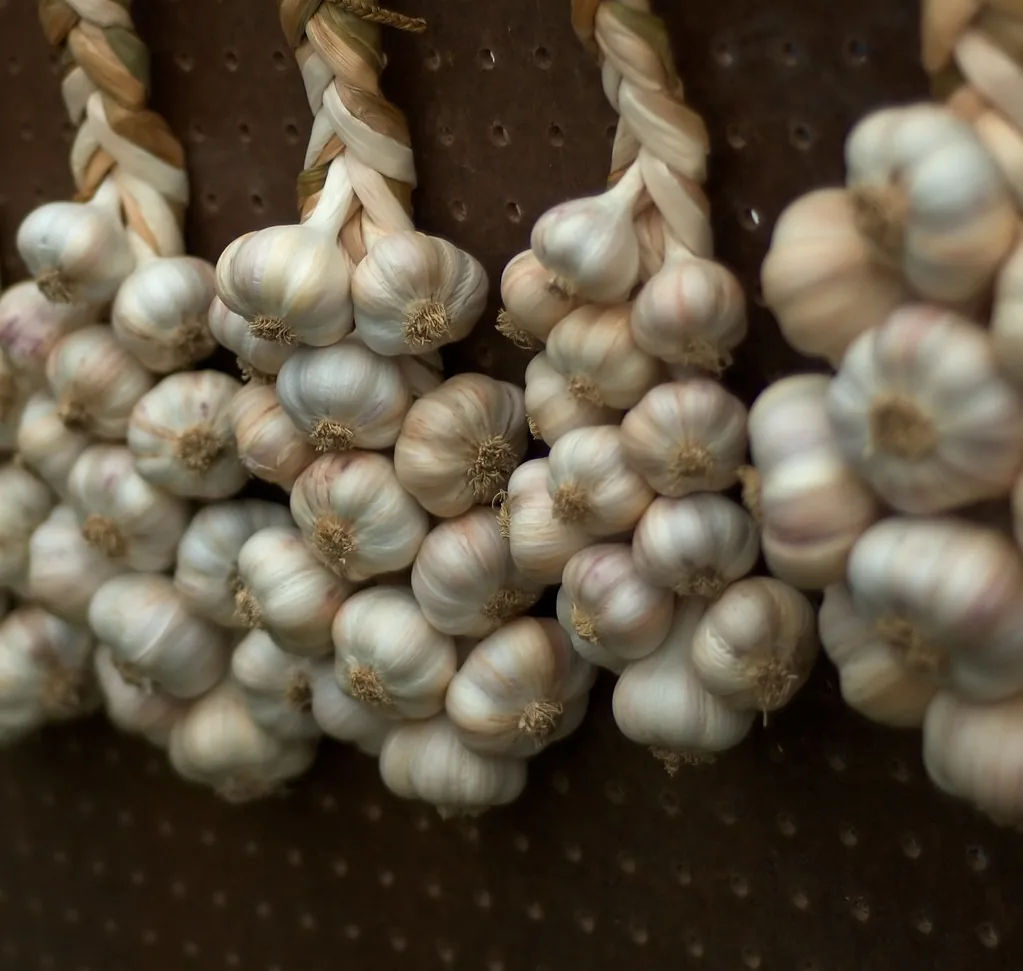
- Use a breathable container. A mesh bag, wire basket, paper bag with holes, or a ceramic garlic keeper all work. Avoid sealed plastic bags and airtight tubs at room temperature, which trap moisture.
- Pick a cool, dark, dry spot. A pantry, cupboard away from the stove, or an unheated room is ideal. Keep humidity low (below about 70%) and avoid direct sunlight.
- Check every week or two. Use any bulbs that are softening or starting to sprout first.
Should you refrigerate garlic?
Not whole bulbs, in most kitchens. Oregon State University Extension notes that garlic sprouts fastest between 40 and 60°F (4–16°C), and a home fridge is also humid, so bulbs kept there often sprout or turn moldy, especially after you take them out again. Commercial growers store garlic just above freezing with tightly controlled humidity, which a home fridge can’t match. A cool, dry room is the better choice.
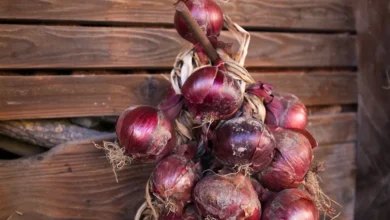
The same principles work for other alliums. See how to store onions for a closely related method.
How to Cure Homegrown Garlic for Storage
If you grow your own, curing is what turns freshly dug bulbs into garlic that keeps for months.
- Harvest on a dry day and brush off loose soil. Don’t wash the bulbs.
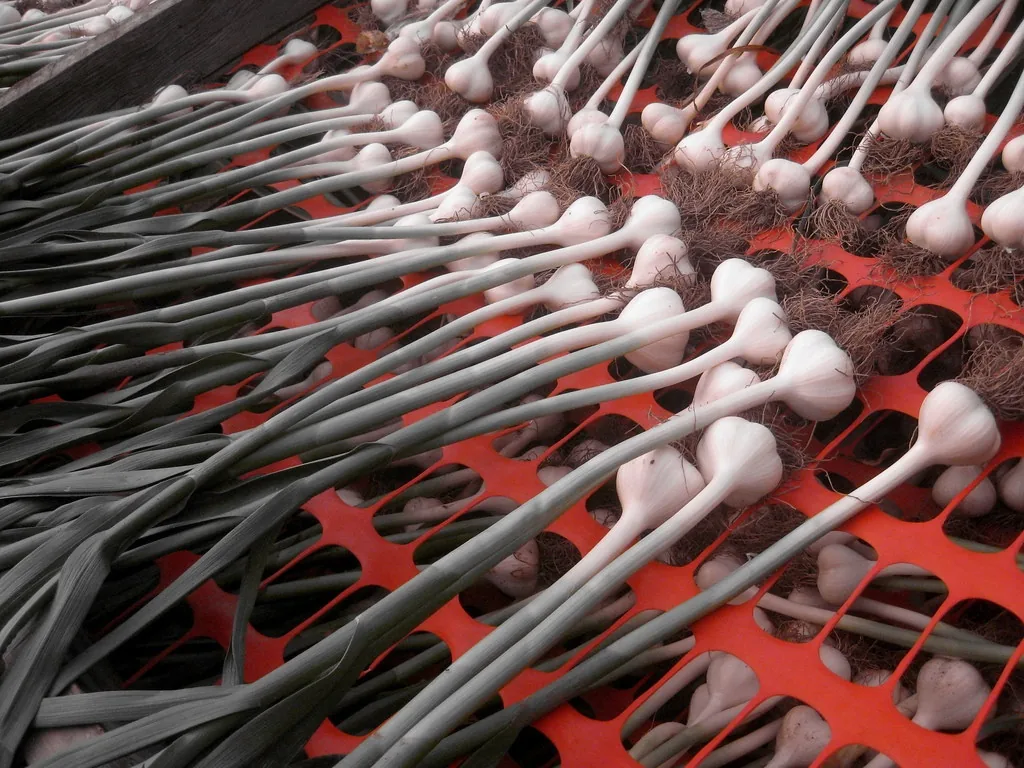
- Hang or spread the plants with leaves and roots attached in a warm, dry, airy place out of direct sun, such as a shed, barn or covered porch. Avoid temperatures above about 90°F (32°C).
- Let them cure for about 10–14 days or longer, until the outer skins are dry and papery, the neck has tightened, and the center of a cut stem is hard.
- Trim roots and stems to about an inch (2.5 cm) above the bulb, or braid softneck garlic with the stems on.
- Store using the whole-bulb method above. Set aside your biggest, healthiest bulbs if you plan to replant.
Garlic is usually harvested in early to mid summer in the Northern Hemisphere (June to July in most USDA zones) and around December to January in the Southern Hemisphere. For planting and harvest timing, see our guide on how to grow garlic.
Watch: Harvesting and curing garlic for storage
This short video shows the harvesting and curing process for garlic you want to keep long term.
How to Store Peeled or Chopped Garlic
Peeled and chopped garlic loses flavor and spoils much faster than whole bulbs.
- Peeled cloves: put them in a clean, airtight container in the fridge and use them within a few days.
- Chopped or minced garlic: keep it covered in the fridge and use it within a day or two, or freeze it.
- Garlic in vinegar or wine: Oregon State University Extension says peeled cloves can be submerged in undiluted vinegar or wine and kept in the fridge. Throw the batch out if mold or yeast appears on the surface. Never leave it at room temperature.
Never store raw garlic in oil at room temperature. Garlic is a low-acid food that can carry Clostridium botulinum spores. Covered in oil, with no air, those spores can produce deadly botulinum toxin without any change in smell or taste. Homemade garlic-in-oil must be refrigerated and used within 4 days, or frozen. Shelf-stable versions require a tested acidification method, such as the one from Oregon State University Extension.
How to Freeze Garlic
Freezing is the easiest way to keep a big harvest. Frozen garlic softens, so it’s best for cooking rather than raw use.
- Whole bulbs or unpeeled cloves: wrap tightly or seal in a freezer bag, and remove cloves as needed.
- Chopped or minced: spread on a tray to freeze, then pack into a bag, or freeze in small portions.
- Garlic purée in oil: blend 2 parts oil to 1 part garlic and freeze it immediately. Small portions in silicone ice cube trays are handy. Scrape out what you need and return the rest to the freezer right away.
Wrap everything well so the smell doesn’t spread to other foods. For the best flavor, use frozen garlic within a few months.
Pro tip: Label each bag with the date and the form of garlic (whole, chopped or purée). It makes rotating your stock easy and saves you from mystery bags at the back of the freezer.
How to Dry Garlic
- Peel cloves and slice them evenly, about ⅛ inch (3 mm) thick.
- Dry in a food dehydrator at 140°F (60°C) for about 2–3 hours, or until crisp. Thicker slices take longer.
- Cool completely, then store slices in an airtight jar in a dark, dry cupboard, or grind them into garlic powder.
For garlic salt, Oregon State University Extension suggests 4 parts salt to 1 part garlic powder, blended for just a second or two so it doesn’t cake. Dried garlic is handy for rubs, soups and spice blends. Our guide on how to store vegetables covers drying and other methods for the rest of your harvest.
How to Tell If Garlic Has Gone Bad
- Soft or mushy cloves instead of firm ones
- Mold: fuzzy white, green or blue-black patches
- Brown or yellow spots on the cloves, or cloves that look shriveled and hollow
- Sour or unpleasant smell instead of the usual sharp garlic scent
Sprouted garlic is still safe to eat. The green shoot can taste bitter, so cut it out, and use sprouting bulbs soon because they won’t keep much longer. You can also plant sprouted cloves in a pot or the garden and harvest the green shoots.
Helpful gear for this guide
Handy picks that match the advice above.
Links go to Amazon. Prices and availability change, so check reviews and fit for your setup before buying.
Garlic Storage at a Glance

FAQ
How long does garlic last?
Whole, well-cured bulbs stored cool and dry last for months: up to about 9 months for softneck and up to about 6 months for hardneck. Loose cloves last about 1–2 weeks, and peeled cloves only a few days in the fridge.
Should garlic be stored in the fridge?
Whole bulbs are best kept in a cool, dry, dark place rather than the fridge, where they tend to sprout or mold. Peeled or chopped garlic and garlic in oil do belong in the fridge.
Can you freeze garlic?
Yes. Freeze whole bulbs, peeled cloves, chopped garlic or a purée of 2 parts oil to 1 part garlic. Frozen garlic is softer, so use it in cooked dishes.
Is it safe to store garlic in olive oil?
Only in the fridge for up to 4 days, or in the freezer. Raw garlic in oil at room temperature can support botulism.
Why is my garlic sprouting?
Garlic sprouts when it comes out of dormancy, which happens fastest in cool temperatures of about 40–60°F (4–16°C) and in humid conditions. Store bulbs somewhere drier, and use sprouting bulbs first.
Sources
- Preserving Garlic (Oregon State University Extension Service)
- Garlic Harvest, Curing and Storage (UMass Amherst Vegetable Program)
This guide contains affiliate links. As an Amazon Associate, FarmingAround earns from qualifying purchases, at no extra cost to you.


One Comment