
Last updated: November 2026
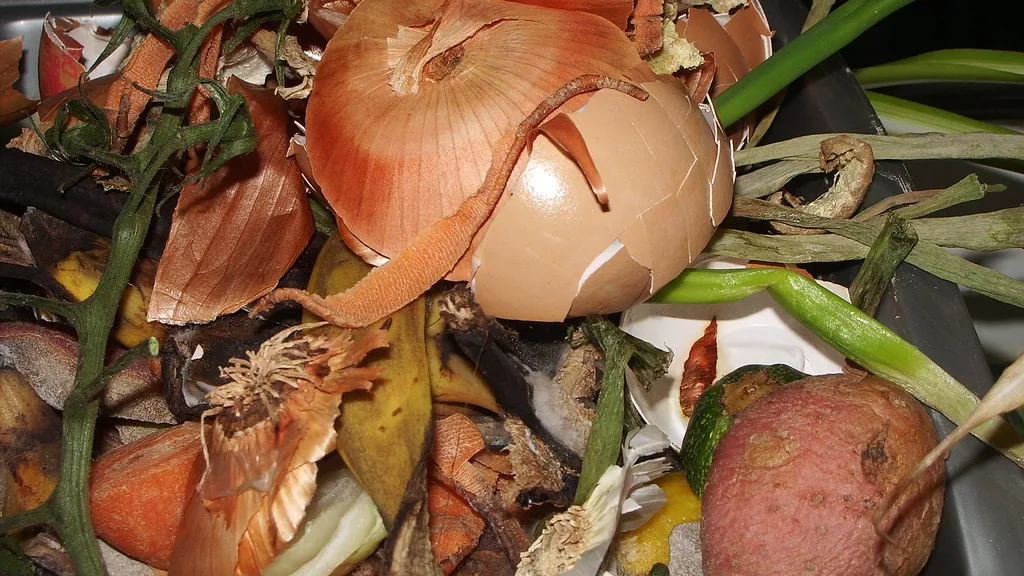
A countertop compost bin is a small lidded container, usually about 1–2 gallons (4–8 liters), that collects fruit and vegetable scraps, coffee grounds and other kitchen waste until you empty it into a compost pile, worm bin or municipal food-waste cart. For most homes, the best choice is an easy-to-clean bin with a tight lid and a replaceable charcoal filter, emptied every 2–4 days. It doesn’t make compost itself, but it makes composting easy enough that you’ll actually do it.
Below you’ll learn how to choose the right bin, exactly what to put in it (and what to leave out), how to keep it free of smells and fruit flies, where the scraps should go next, and how to apply the finished compost in your garden.
Key takeaways
- Pick a 1–2 gallon bin with a tight lid, a charcoal filter and an easy-to-clean interior.
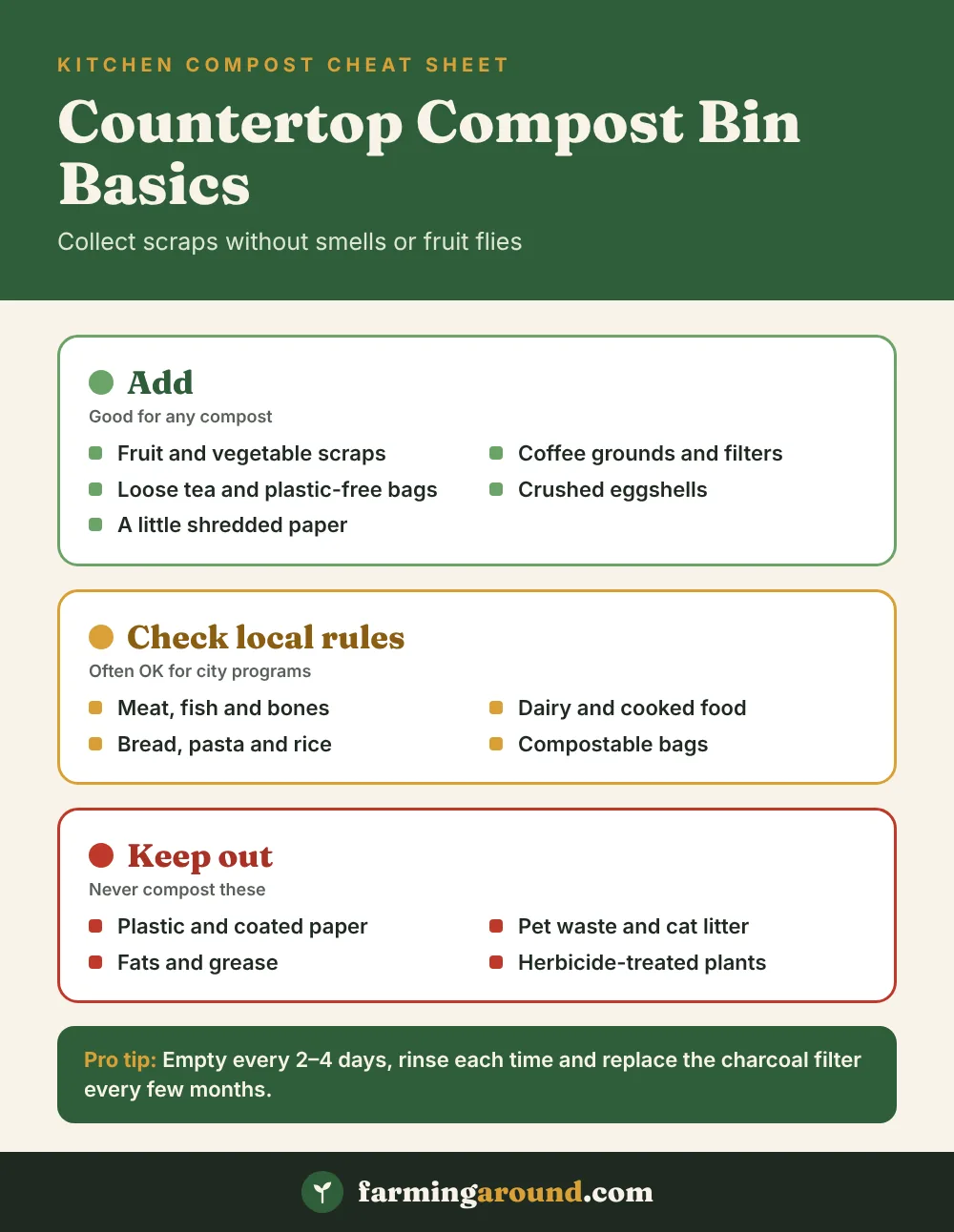
- Add fruit and vegetable scraps, coffee grounds, tea and eggshells; check local rules before adding meat or dairy.
- Empty it every 2–4 days and rinse it each time to prevent smells and fruit flies.
- Use finished compost at 1–2 inches in beds and up to a third of a potting mix.
In this guide
- What a Countertop Compost Bin Does (and Doesn’t Do)
- How to Choose a Countertop Compost Bin
- What to Put in a Countertop Compost Bin
- How to Use a Countertop Compost Bin Without Smells or Flies
- Where to Empty Your Countertop Bin
- How to Use the Finished Compost
- Common Mistakes to Avoid
- Quick Reference
- FAQ
- Sources
What a Countertop Compost Bin Does (and Doesn’t Do)
A countertop bin is a collection caddy. It keeps scraps tidy and contained between trips outside, so you’re not walking to the compost heap every time you peel a carrot. The actual composting happens later, in a backyard pile or tumbler, a worm bin, or a city composting facility.
Electric “countertop composters” are a different product. They heat, dry and grind food scraps into a dry, crumbly material in a few hours. That output is dehydrated food waste, not finished compost. It works best when you finish it in a compost pile or bury it in soil and wait a few weeks before planting into it, rather than spreading it straight onto plants.
How to Choose a Countertop Compost Bin
| Feature | What to look for | Why it matters |
|---|---|---|
| Size | About 1 gallon (4 L) for 1–2 people; 1.5–2 gallons (6–8 L) for families who cook a lot | Too big and scraps sit for a week and smell; too small and it overflows |
| Material | Stainless steel, ceramic, bamboo-fiber or sturdy plastic | Steel and ceramic don’t stain or hold odors; plastic is light and cheap |
| Lid | Tight-fitting, easy to open with one hand | Keeps fruit flies out and smells in |
| Filter | Replaceable charcoal filter in the lid | Lets air move while absorbing odors |
| Cleaning | Smooth inside, dishwasher-safe or wide enough to scrub | Sticky residue is the main cause of lingering smells |
| Handle | Sturdy carry handle | Makes the trip to the outdoor bin quick and clean |
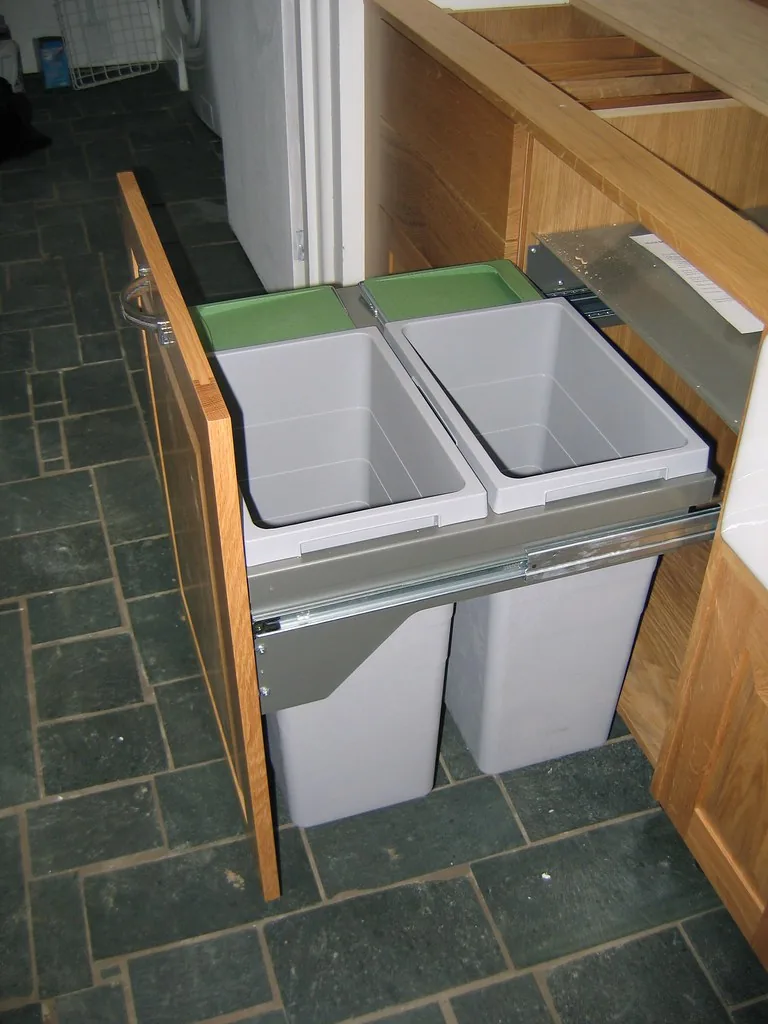
If counter space is tight, an under-sink bin or a bin that hangs on a cabinet door works the same way. Some people simply keep a lidded container in the freezer, which stops smells entirely.
What to Put in a Countertop Compost Bin
What goes in depends on where the scraps end up. Municipal food-waste programs often accept more than a backyard pile can handle, so check your local rules.
| Yes, for any compost | Check first (often OK for city programs) | Keep out |
|---|---|---|
| Fruit and vegetable peels, cores and trimmings | Meat, fish and bones | Plastic, including “biodegradable” plastic not certified compostable |
| Coffee grounds and paper filters | Dairy products | Pet waste and cat litter |
| Loose tea leaves and plastic-free tea bags | Cooked food, oily food and sauces | Glossy or coated paper |
| Crushed eggshells | Bread, pasta and rice | Diseased plants or anything treated with herbicide |
| Wilted herbs and stale nuts (unsalted) | Compostable bags and food-soiled paper | Fats and grease |
In a backyard pile, meat, dairy and oily foods attract rats, raccoons and dogs and break down poorly, which is why most home-composting guides leave them out. Coffee grounds are a great addition; our guide to coffee grounds in compost explains how much to use.
Pro tip: Keep a small bag of shredded paper or dry leaves next to your bin. Tossing in a handful with wet scraps soaks up liquid indoors and gives you the browns you need outside.
How to Use a Countertop Compost Bin Without Smells or Flies
- Line it (optional). Use a certified compostable liner, a sheet of newspaper or a paper towel in the bottom to absorb moisture. Check that your municipal program accepts liners before using them.
- Chop large scraps such as melon rinds and corn cobs so they fit and break down faster later.
- Add a little “brown.” A handful of shredded paper, a used paper napkin or dry leaves soaks up liquid and cuts odor.
- Keep the lid closed between uses.
- Empty it every 2–4 days, or daily in hot weather, even if it isn’t full.
- Rinse or wash it each time you empty it, and give it a scrub with hot soapy water or a vinegar rinse once a week.
- Replace the charcoal filter as the manufacturer recommends, typically every few months, or sooner if smells creep back.
Fruit flies? Empty and wash the bin, keep the lid closed and freeze juicy scraps such as banana peels and melon rinds until collection day.
Watch: Choosing a Countertop Compost Bin
America’s Test Kitchen looks at whether a countertop compost bin is worth buying.
Where to Empty Your Countertop Bin
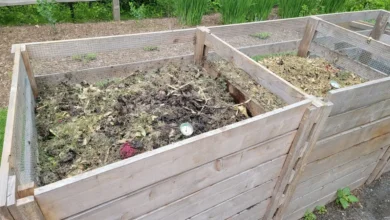
- Backyard compost pile or bin: bury fresh kitchen scraps (greens) in the middle of the pile and cover them with roughly two to three times their volume of browns such as dry leaves, straw or shredded cardboard. Our step-by-step guide on how to build a compost pile covers ratios and turning.
- Compost tumbler: a tumbler is a good choice for small yards or areas with rodents; add browns with every load of scraps.
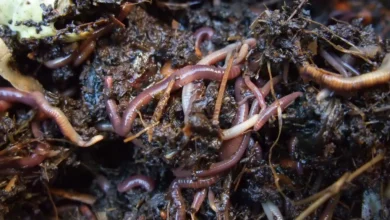
- Worm bin: red wigglers turn fruit and vegetable scraps into castings indoors. They’re fussier eaters than a compost pile, so skip onion, citrus in quantity, meat and dairy.
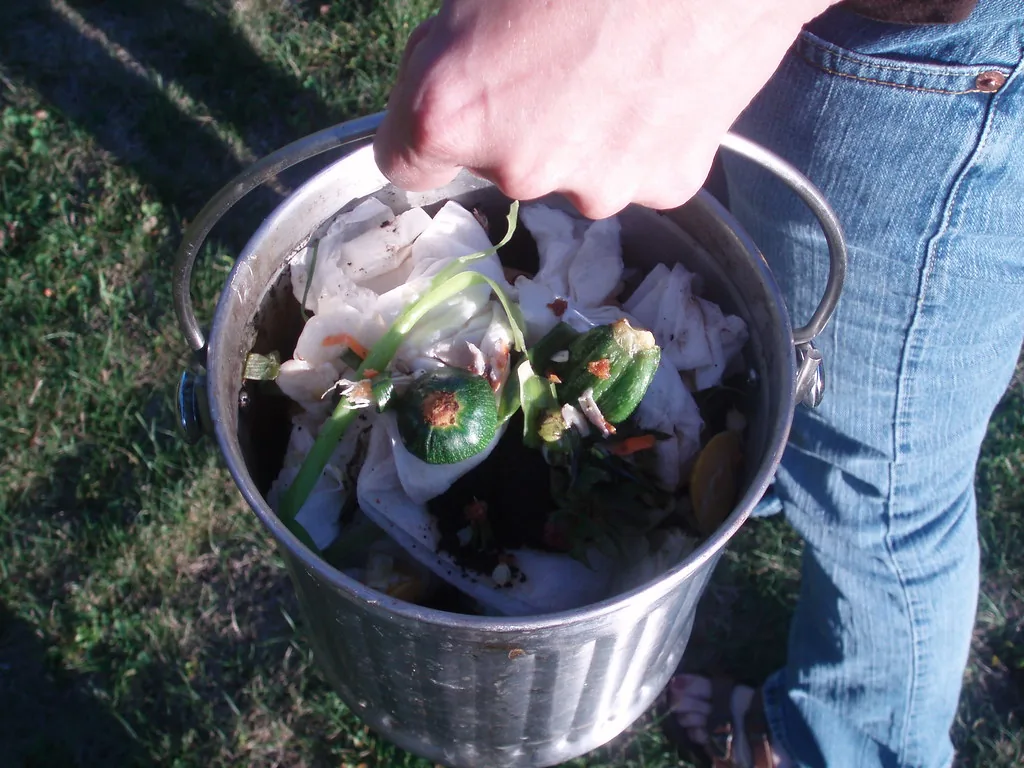
- Municipal food-waste collection: many cities collect food scraps in a green or brown cart. Follow their list, which may include meat, bones and compostable bags.
- Trench composting: dig a hole 8–12 inches (20–30 cm) deep in an empty bed, add scraps and cover with soil. They break down in place over a few months.
How to Use the Finished Compost
Compost is ready when it’s dark, crumbly and smells like earth, with no recognizable food scraps. That usually takes a few months in an actively managed pile, and longer in a cold, unturned heap. Screen out any large pieces and return them to the pile.
| Where | How much | When |
|---|---|---|
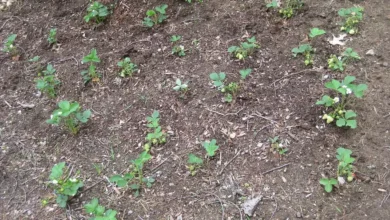
| Vegetable and flower beds | Spread 1–2 inches (2.5–5 cm) and mix into the top 6 inches (15 cm) | Spring before planting or fall after clearing beds |
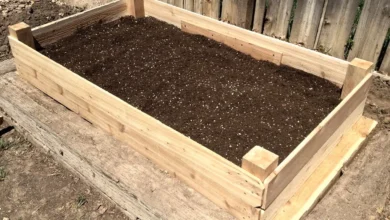
| Raised beds | Top up with 1–2 inches (2.5–5 cm) each year | Before spring planting |
| Around shrubs and fruit trees | A 1–2 inch (2.5–5 cm) layer as mulch, kept a few inches from trunks | Spring |
| Lawns | A thin ¼–½ inch (6–12 mm) top-dressing raked in | After aerating in spring or fall |
| Containers | Up to about one-quarter to one-third of the potting mix | At planting |
For crop-specific advice, see our guides to compost for vegetable gardens and compost for raised beds. Compost improves soil structure and feeds soil life, but it’s relatively low in nutrients, so heavy feeders like tomatoes may still need extra fertilizer during the season.
Common Mistakes to Avoid
- Waiting until it’s full. Scraps left for a week in a warm kitchen go anaerobic and smell.
- Adding only wet scraps. Without some paper or browns, the bin gets slimy.
- Trusting “biodegradable” plastic bags. Many don’t break down in home compost; look for certified compostable liners or skip liners.
- Skipping the browns outside. A pile of only kitchen scraps becomes a smelly, fly-filled mess.
- Spreading unfinished compost. Half-rotted scraps can tie up nitrogen and attract pests. Let it finish first.
Helpful gear for this guide
Handy picks that match the advice above.
Quick Reference
FAQ
Do countertop compost bins smell?
Not if you empty them every few days, keep the lid closed, add a little paper to absorb moisture and replace the charcoal filter regularly. Most smells come from scraps left too long or a bin that hasn’t been washed.
How often should you empty a countertop compost bin?
Every 2–4 days for most households, and daily in hot weather or if you’re adding juicy scraps like melon rinds.
Do I need a filter in my compost bin?
It isn’t essential, but a charcoal filter helps absorb odors while letting some air in. A bin with a tight lid and no filter works too if you empty it often.
Can I put compostable bags in my backyard compost?
Only if they’re certified for home composting. Many compostable bags are designed for hot industrial facilities and break down slowly in a backyard pile.
Is an electric composter the same as composting?
No. Electric units dry and grind food waste. The result should be added to a compost pile or buried in soil to finish breaking down before you plant into it.
Where should I keep a countertop compost bin?
Near where you prep food, out of direct sun and away from the stove. Under the sink or in the freezer are good alternatives if counter space is limited.
Sources
- Cornell Cooperative Extension Tompkins County: Indoor Prep for Better Compost
- U.S. EPA: Composting at Home
- Oklahoma State University Extension: Vermicomposting
This guide contains affiliate links. As an Amazon Associate, FarmingAround earns from qualifying purchases, at no extra cost to you.
Get free farming guides in your inbox
Practical guides, seasonal tips and market updates. No spam, unsubscribe anytime.
Subscribe free