

Last updated: November 2026
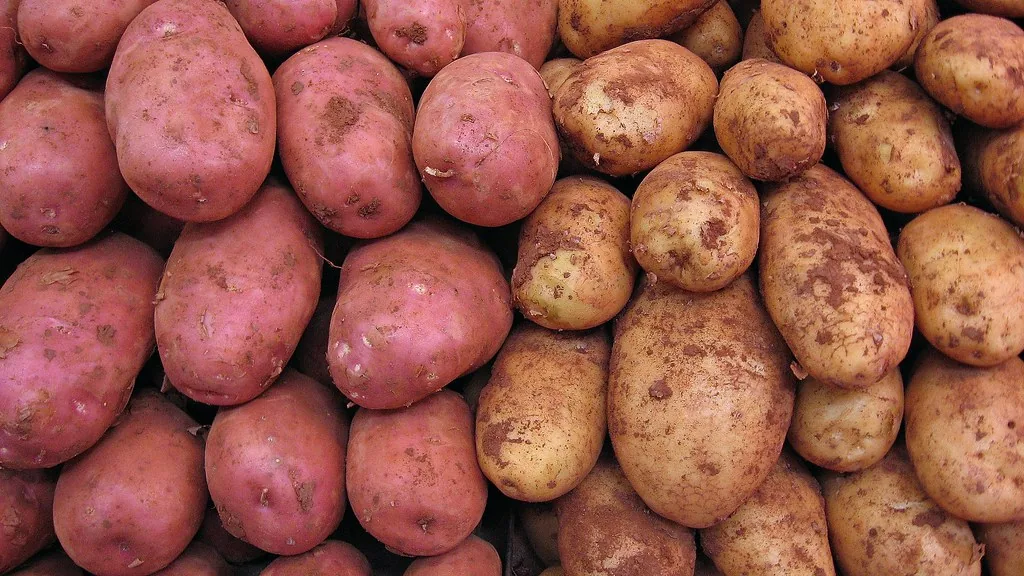
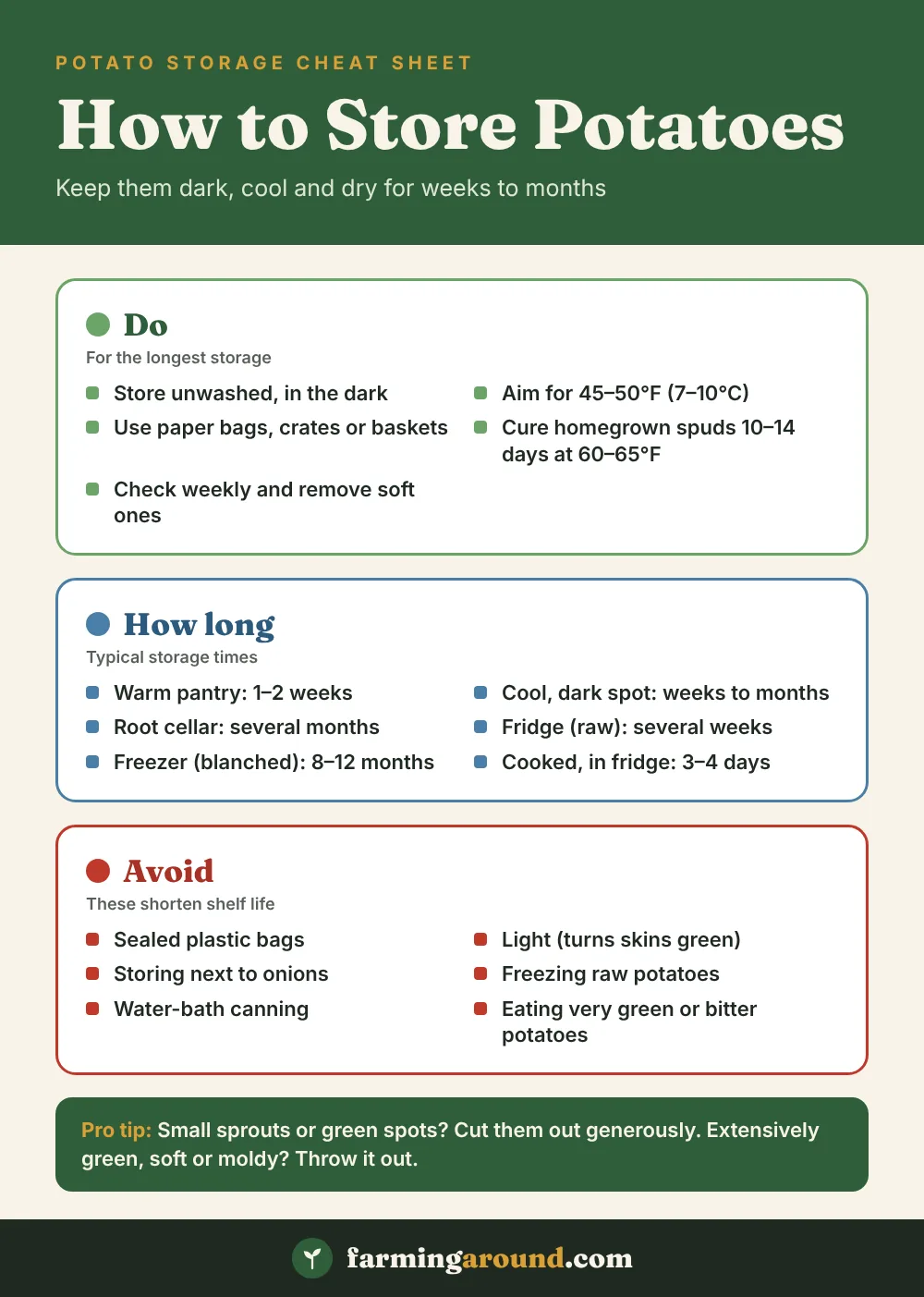
The best way to store potatoes is unwashed, in a dark, cool, well-ventilated spot, ideally around 45–50°F (7–10°C), where they keep for several weeks to a few months. A basement, cool pantry, garage that doesn’t freeze or root cellar works well. For a week or two, a dark kitchen cupboard away from the stove is fine, and raw potatoes can also go in the fridge, which food-safety agencies now say is acceptable.
Below you’ll find every storage method compared, how to cure homegrown potatoes so they last all winter, how to freeze and can them safely, and how to tell when a potato should go in the compost instead of the pot.
Key takeaways
- Best spot: dark, cool and ventilated, ideally 45–50°F (7–10°C), for weeks to months.
- Don’t wash before storing, and use paper bags, crates or baskets instead of sealed plastic.
- The fridge is fine for raw potatoes, according to the UK Food Standards Agency’s updated advice.
- Freeze only blanched or cooked potatoes, and can them only in a pressure canner.
In this guide
Potato Storage Methods Compared
| Method | How long it keeps | Best for |
|---|---|---|
| Kitchen cupboard or pantry (room temperature, dark) | About 1–2 weeks | Store-bought potatoes you’ll use soon |
| Cool, dark, ventilated spot at 45–50°F (7–10°C) | Several weeks to a few months | Bulk bags and most homegrown crops |
| Root cellar near 38–40°F (3–4°C), high humidity | Several months for good storage varieties | Large homegrown harvests |
| Refrigerator (raw) | Several weeks | Small households with no cool storage space |
| Freezer (blanched or cooked only) | About 8–12 months for best quality | Surplus potatoes, fries, mash |
| Pressure canning (tested recipe) | Best quality within about a year | Shelf-stable cubed or whole new potatoes |
Whatever method you choose, the same three things shorten a potato’s life: light (which turns skins green), warmth (which triggers sprouting) and moisture (which invites rot).
How to Store Potatoes at Home (Counter and Pantry)
- Don’t wash them. Brush off loose soil only. Washing adds moisture and can damage the skin.
- Sort them. Set aside any cut, bruised, soft or green potatoes and use those first.
- Choose a breathable container. A paper bag with the top folded loosely, a cardboard box with holes, a basket or a mesh bag all work. Take potatoes out of sealed plastic bags, which trap humidity.
- Keep them in the dark. Cover baskets with a cloth or newspaper if light reaches them.
- Keep them cool and away from heat. Avoid the cupboard above the oven or next to the dishwasher or fridge vent.
- Check weekly. Remove any potato that’s soft, leaking or smells bad before it spoils its neighbors.
Many gardeners also keep potatoes and onions apart. Onions give off moisture and gases that can make potatoes sprout and soften faster, and both store better with room to breathe. See our guide on how to store onions for their ideal conditions.
Can You Store Potatoes in the Fridge?
Yes. For years the advice was to keep raw potatoes out of the refrigerator, because cold storage turns some of their starch into sugar (“cold sweetening”), and those sugars can form more acrylamide when potatoes are fried, roasted or baked at high heat. In 2023 the UK Food Standards Agency reviewed newer research and concluded that home fridge storage doesn’t materially increase acrylamide-forming potential compared with a cool, dark cupboard, so you can choose either.
A few practical points if you use the fridge:
- Potatoes may taste slightly sweeter and can brown faster when fried. Letting them sit at room temperature for a day or two before frying helps.
- Keep them in a paper bag in the crisper drawer rather than sealed plastic.
- Whatever the storage method, cook to a golden yellow color rather than dark brown when frying, roasting or toasting.
Cooked potatoes are a different matter: refrigerate them within 2 hours of cooking and eat them within 3–4 days.
Baked potatoes in foil: don’t leave them at room temperature. Remove the foil and refrigerate leftovers within 2 hours, because foil-wrapped baked potatoes held warm can allow botulism bacteria to grow.
How to Cure and Store Homegrown Potatoes
Freshly dug potatoes have thin skins that bruise easily. Curing toughens the skin and heals small wounds, which is the single biggest step toward potatoes that last into spring. If you’re still growing yours, our guide on how to grow potatoes covers when to dig them.
- Dig on a dry day once the vines have died back, and handle the tubers gently.
- Brush off dry soil, but don’t wash.
- Cure in the dark for 10–14 days at about 60–65°F (15–18°C) with good airflow, for example spread out on newspaper in a dark shed or spare room.
- Sort again. Eat cut or damaged tubers first; they won’t store.
- Move to long-term storage: dark, cold and humid. University of Minnesota Extension gives 32–40°F (0–4°C) and around 95% relative humidity as ideal for table potatoes, but suggests 40–50°F (4–10°C) for potatoes you plan to fry, to avoid cold sweetening.
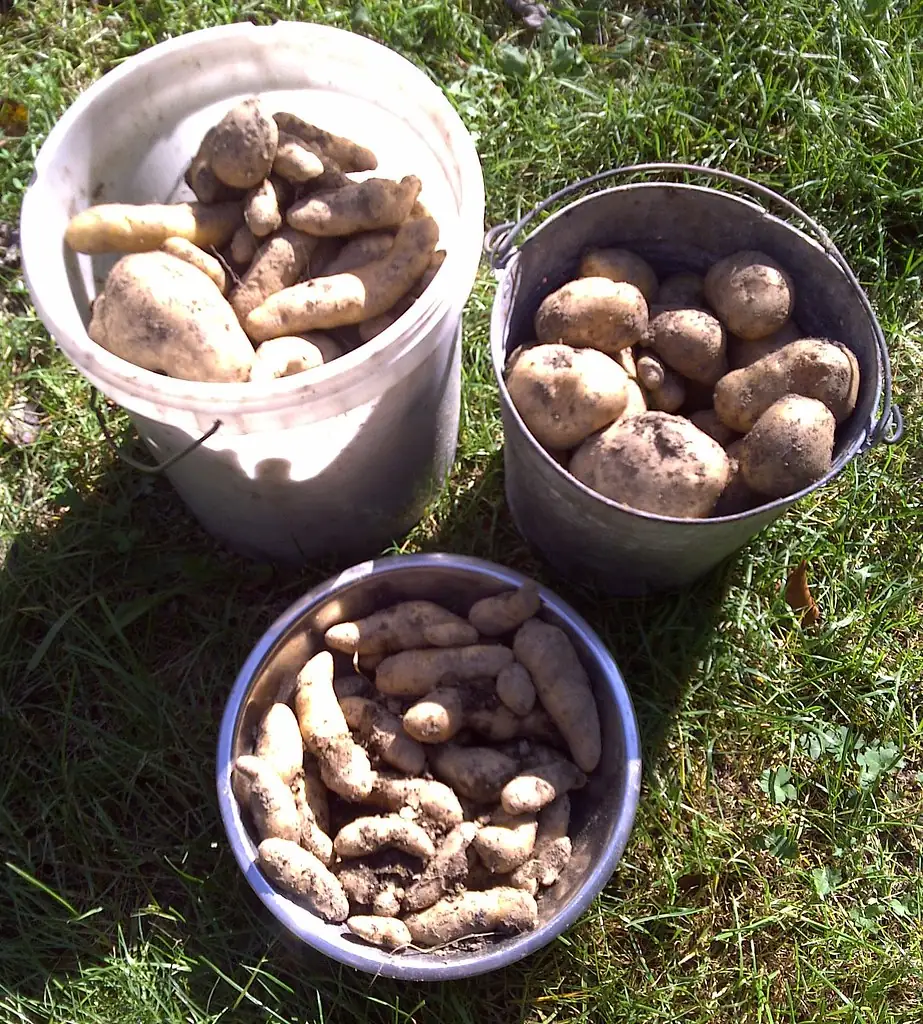
Good long-term options include a root cellar, an insulated box in an unheated garage, slatted crates in a cool basement, or a buried barrel or clamp in climates where the ground doesn’t freeze deeply. Late-season, thick-skinned varieties store far longer than early “new” potatoes, which are best eaten within a few weeks.
Watch: How to Store Potatoes
Utah State University Extension covers storing potatoes in this video.
Pro tip: Label each crate or bag with the variety and the date you dug or bought it. Eat thin-skinned early potatoes and any with nicks first, and save thick-skinned late varieties for the longest storage.
How to Freeze Potatoes
Raw potatoes don’t freeze well: they turn watery, grainy and often gray when thawed. Always blanch or cook them first.
Blanched cubes, slices or fries
- Peel (optional), then cut into even pieces.
- Blanch in boiling water for about 3–5 minutes, depending on size, until just tender at the edges.
- Cool quickly in ice water, drain and pat completely dry.
- Spread on a lined tray and freeze until solid, then pack into labeled freezer bags with the air pressed out.
Mashed or roasted potatoes
Cool cooked mash or roasted potatoes quickly, portion into freezer containers and freeze. Mash with butter or cream freezes better than plain mash. Use frozen potatoes within about 8–12 months for best quality, and cook fries and roast potatoes straight from frozen.
Can You Can Potatoes?
Yes, but only in a pressure canner. Potatoes are a low-acid food, so a water-bath canner can’t reach the temperature needed to destroy botulism spores. Follow a tested USDA or National Center for Home Food Preservation procedure exactly for jar size, processing time and pressure at your altitude. Our pressure canning for beginners guide walks through the process.
Never water-bath can potatoes. Low-acid vegetables need a pressure canner and a tested recipe. Don’t can mashed or pureed potatoes at home; freeze them instead.
Green, Sprouted or Soft: When to Toss a Potato
| What you see | Is it safe? | What to do |
|---|---|---|
| Small green patches on the skin | Yes, after trimming | Cut away all green areas generously before cooking |
| Extensive green skin or flesh, or a bitter taste | No | Discard; green areas are linked to natural toxins called glycoalkaloids |
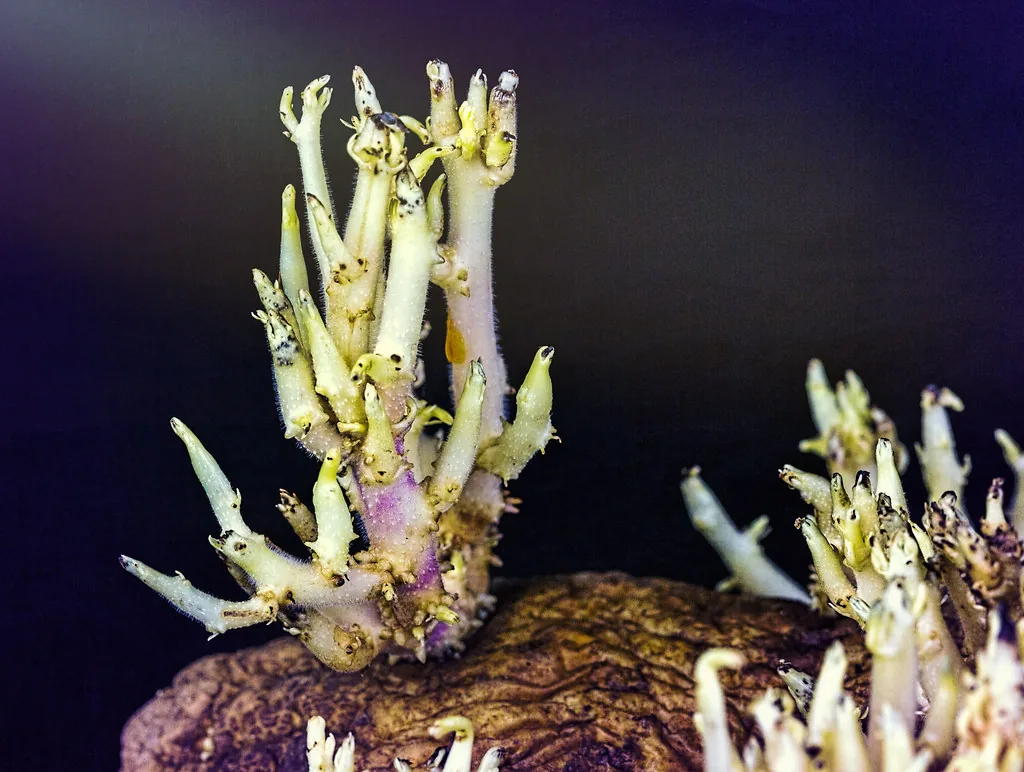
| Small sprouts on a firm potato | Yes, after trimming | Remove sprouts and eyes completely; don’t eat the sprouts |
| Long sprouts, wrinkled and soft | Best not to eat | Compost it, or plant it if it’s from a source you trust |
| Mushy spots, leaking, mold or a bad smell | No | Discard and check neighboring potatoes |
Green, sprouted and rotting potatoes are also not safe treats for livestock. If you keep a flock, see our list of what chickens can eat before sharing kitchen scraps.
Helpful gear for this guide
Handy picks that match the advice above.
Quick Reference
FAQ
How long do potatoes last in the pantry?
About 1–2 weeks at warm room temperature. In a cool, dark, ventilated spot around 45–50°F (7–10°C) they can last several weeks to a few months, depending on variety and condition.
Should you wash potatoes before storing them?
No. Brush off dry soil and wash them just before cooking. Moisture on the skin encourages mold and rot.
Is it OK to store potatoes and onions together?
It’s better to keep them apart. Onions release moisture and gases that can make potatoes sprout and spoil faster.
Can you store cut raw potatoes?
Yes, for a short time. Cover cut potatoes with cold water in the fridge and cook them within about 24 hours to prevent browning.
Why do my stored potatoes keep sprouting?
They’re too warm or getting light. Move them somewhere darker and cooler, and avoid storing them near onions or ripening fruit.
Can you freeze raw potatoes?
Not successfully. Raw potatoes go watery and discolored. Blanch or cook them first, then freeze.
Sources
- University of Minnesota Extension: Growing Potatoes in Home Gardens
- UK Food Standards Agency: Acrylamide
- National Center for Home Food Preservation: How Do I Can?
This guide contains affiliate links. As an Amazon Associate, FarmingAround earns from qualifying purchases, at no extra cost to you.
Get free farming guides in your inbox
Practical guides, seasonal tips and market updates. No spam, unsubscribe anytime.
Subscribe free
One Comment