
Last updated: November 2026
For most beginners, the best pressure canner is the Presto 01781 23-Quart: it holds 7 quart jars or 20 pints, works on gas, electric and smooth-top ranges, and costs far less than a cast-aluminum canner. If you cook on induction, get the Presto 01784 instead. If you want to skip yearly dial-gauge testing, add the Presto 3-piece weighted regulator or choose the T-fal 22-Quart on a gas or coil stove.
This guide is about choosing the canner. If you have never canned before, read our step-by-step pressure canning for beginners guide next.
Why you need a real pressure canner
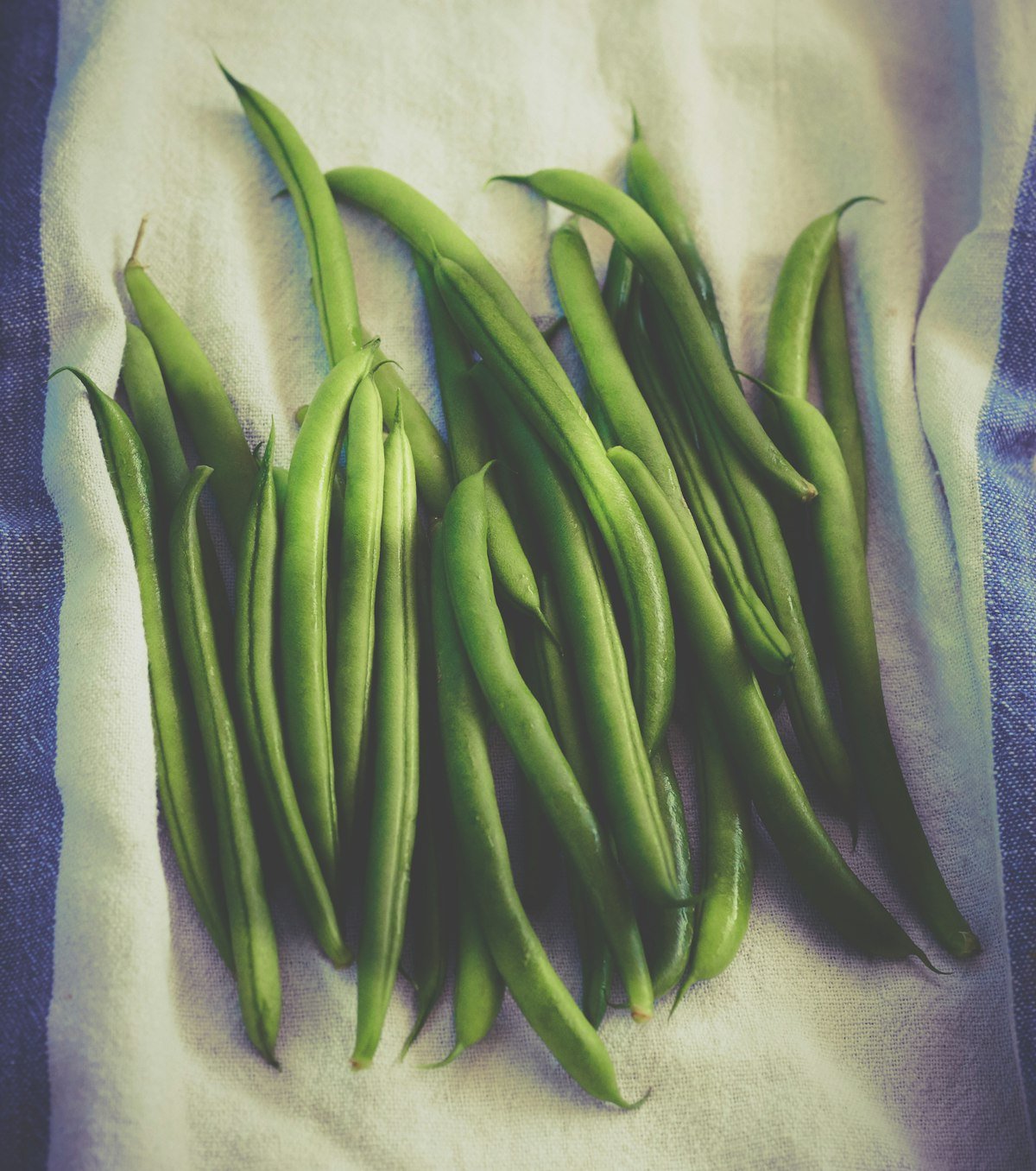
Green beans, corn, carrots, potatoes, beans, meat, poultry, broth and fish are low-acid foods. A boiling-water bath only reaches 212°F, which is not hot enough to destroy Clostridium botulinum spores. A pressure canner at 10 to 15 psi reaches about 240°F, and that is the only method the USDA recommends for these foods.
Not every pot with a locking lid counts. The USDA processes were tested in canners large enough to hold at least 4 quart jars standing upright with the lid on. Smaller pressure cookers heat up and cool down too fast, so the food never gets the full heat treatment the recipe expects. That is also why electric multicookers with a “canning” button are not recommended (more on that below).
Quick picks
- Best overall for beginners: Presto 01781 23-Quart Pressure Canner
- Best for induction cooktops: Presto 01784 23-Quart Induction Compatible
- Best for small kitchens and small batches: Presto 01755 16-Quart
- Best weighted-gauge canner on a budget: T-fal 22-Quart Pressure Canner
- Best electric option: Presto Precise 02144 12-Quart Digital Canner
- Best upgrade for any Presto: Presto 50332 weighted pressure regulator (5-10-15 lb)
Comparison at a glance
| Canner | Size | Quart jars | Pressure control | Stovetops | Best for |
|---|---|---|---|---|---|
| Presto 01781 | 23 qt | 7 (or 20 pints, stacked) | Dial gauge | Gas, electric, smooth-top | First canner, big harvests |
| Presto 01784 | 23 qt | 7 | Dial gauge | Induction, gas, electric, smooth-top | Induction kitchens |
| Presto 01755 | 16 qt | 7 (about 8–9 pints) | Dial gauge | Gas, electric, smooth-top | Short cabinets, small batches |
| T-fal 22-Quart | 22 qt | 7 (or 18 pints) | Weighted, 5/10/15 psi | Gas, electric coil | No gauge testing |
| Presto Precise 02144 | 12 qt | 5 (or 8 pints) | Digital, temperature sensor | Plugs in | Hands-off canning, no stove |
The best pressure canners for beginners
Presto 01781 23-Quart Pressure Canner and Cooker
Best for: almost every beginner, especially if you grow a big garden.
Key specs: 23-quart heavy-gauge aluminum, deluxe dial gauge, air vent/cover lock, canning rack and a 76-page instruction and recipe book. Mason jar capacity per Presto: 26 half-pints, 20 pints or 7 quarts. Works on regular and smooth-top ranges. 12-year limited warranty.
This is the canner many first-time canners start with, and the reasons are simple. It is light enough (about 12 lb) to lift off the stove when full of water, it is tall enough to stack two layers of pint jars, and it doubles as a large boiling-water canner for jams, pickles and salsa. The dial gauge reads small pressure steps, which helps if you live at altitude and your recipe calls for 11 or 12 psi.
The trade-off is the rubber sealing ring and the dial. Plan to replace the gasket and overpressure plug every few years, and have the dial gauge checked once a year (many county extension offices do it for free or a small fee).
Pros
- Holds 7 quarts or 20 pints, enough for a full garden batch
- Doubles as a boiling-water canner
- Light and easy to handle
- Parts and gaskets are cheap and easy to find
Cons
- Dial gauge needs yearly testing
- Gasket wears out over time
- Not for induction (choose the 01784)
Presto 01784 23-Quart Induction Compatible
Best for: cooks with an induction range.
Key specs: Same 23-quart size and dial gauge as the 01781, with an induction-compatible stainless steel-clad base. Works on induction, gas, electric and smooth-top stoves. Air vent/cover lock. 12-year limited warranty.
A plain aluminum canner will not heat on induction, and many cheap “induction discs” cannot hold a steady pressure for the full process time. The 01784 solves that with a steel-clad base, so you get the same easy Presto design on a modern cooktop. If you might move to induction later, it is worth buying this version from the start.
Pros
- Works on every common stovetop
- Same jar capacity and parts system as the classic Presto
- Doubles as a boiling-water canner
Cons
- Usually costs more than the 01781
- Dial gauge still needs yearly testing
Presto 01755 16-Quart Pressure Canner
Best for: small kitchens, short wall cabinets and people who can in small batches.
Key specs: 16-quart heavy-gauge aluminum, deluxe dial gauge, air vent/cover lock and canning rack. Works on gas, electric and smooth-top ranges. Holds 7 quart jars in one layer (about 8–9 pints). As a boiling-water canner it handles half-pints and pints only.
The 16-quart is shorter and lighter than the 23-quart, so it fits under a microwave or range hood and is easier to lift. It still holds 7 quart jars, which is plenty for a weekend of stock, beans or chili. What you lose is the second layer of pints and the option to water-bath quart jars of tomatoes or juice.
Pros
- Compact and light
- Still holds 7 quart jars
- Easy to store
Cons
- Only one layer of pints
- Cannot water-bath quart jars
- Dial gauge needs yearly testing
T-fal 22-Quart Pressure Canner
Best for: beginners who cook on gas or a coil electric stove and want a weighted gauge from day one.
Key specs: 22-quart aluminum, weighted regulator with 3 pressure settings (5, 10, 15 psi), locking lid, steam release valve and two canning racks. Holds up to 7 quart jars, 18 regular pints or 16 wide-mouth pints. Listed for gas and electric coil cooktops. One-year warranty.
A weighted gauge cannot drift out of calibration, so there is nothing to send off for testing each year. You set the weight for your recipe and listen for the rocking or jiggling. The catch is altitude: weighted gauges only come in 5, 10 and 15 psi steps, so above 1,000 feet you will often round up to 15 psi, which is safe but can soften some vegetables a little more.
T-fal lists this model for gas and coil cooktops, not glass-top or induction, so check your stove before you buy.
Pros
- No yearly gauge testing
- Two racks for stacking pints
- Simple to read by sound
Cons
- Not listed for smooth-top or induction ranges
- Only 5/10/15 psi steps
- Shorter warranty than Presto
Presto Precise 02144 12-Quart Digital Pressure Canner
Best for: people who cannot use a stovetop canner (glass top worries, small apartment, mobility limits) and want guided, hands-off canning.
Key specs: 12-quart electric canner with a temperature sensor, digital display, pressure and water-bath modes and ten built-in safety features. Jar capacity per the listing: 10 half-pints, 8 pints or 5 quarts (half-pints and pints only for the water-bath mode). No altitude adjustment needed. Also sold as a 17-quart (02152) and 23-quart (02153).
This is not a multicooker. It is a dedicated canner that measures temperature instead of pressure, then runs the vent, heat-up, process and cool-down steps for you. That removes most of the beginner mistakes, like skipping the 10-minute vent or letting pressure drop.
Be honest with yourself about the caveat: university extension services note that the research behind this canner has not been reviewed by the USDA or the National Center for Home Food Preservation. Presto says it meets USDA guidelines. If you buy it, follow the Presto manual and recipes exactly, because a few USDA processes have special water-level rules that differ in this unit.
Pros
- Automates venting, timing and cool-down
- No altitude math
- Frees up the stove
Cons
- Not independently reviewed by USDA or NCHFP
- Small capacity (5 quarts) for the price
- Needs a counter spot and an outlet
Accessories worth buying with your canner
Presto 50332 Weighted Pressure Regulator (5-10-15 lb)
Best for: anyone who owns a Presto dial-gauge canner.
Key specs: OEM Presto part: regulator body plus two 5-pound rings; fully assembled it holds 15 psi. Fits various Presto canners.
This turns your Presto into a weighted-gauge canner. You can keep the dial as a reference while the weight controls the pressure, which means no annual dial testing is required for safety. It is the cheapest upgrade a new Presto owner can make.
Pros
- Ends yearly gauge testing
- Cheap OEM part
- Easy to read by sound
Cons
- Only 5/10/15 psi steps
- Check that it fits your model number
You will also need a jar lifter, a wide-mouth funnel and a bubble remover. The Norpro 6-piece canning set covers all of them in one box. For jars, Ball wide-mouth quart jars (12-pack) are easy to fill with beans, stock and meat, and they fit every canner on this list.
How we chose
We did not run a side-by-side lab test. We picked these canners by reading each maker’s specs and manuals on the product page, checking the canner rules published by the USDA, the National Center for Home Food Preservation and several university extension services, and comparing what experienced home canners recommend year after year. We only included canners that hold at least 4 quart jars, and we left out electric multicookers with a “canning” button. Read more about how we research our guides.
What to look for in a pressure canner
Dial gauge or weighted gauge
A dial gauge shows the exact pressure, which is handy at altitude, but it must be tested every year and replaced if it reads off by more than 2 psi. A weighted gauge controls the pressure itself and cannot drift, but only offers 5, 10 and 15 psi. Many beginners buy a Presto and add the weighted regulator to get both.
Size
Canner sizes are measured in quarts of water, not jars. A 16-quart canner holds one layer of 7 quart jars. A 21 to 23-quart canner holds the same 7 quarts but can also stack two layers of pints. If you can a lot of pints (salsa, beans, chicken), go 23 quart.
Your stovetop
Aluminum canners work on gas and electric coil. Glass and ceramic smooth tops need a flat-bottomed canner and a burner that can hold steady heat; read your stove manual, because some makers say not to can on them. Induction needs a magnetic base, like the Presto 01784.
Gasket or metal-to-metal seal
Presto and T-fal use a rubber sealing ring that you will replace every few years. Heavy cast-aluminum canners like the All American 921 use a machined metal-to-metal seal with no gasket. They last decades but cost several times more and weigh about 18 lb empty, so most people buy one as a second canner, not their first.
Parts and support
Pick a brand that still sells gaskets, overpressure plugs, gauges and racks. Presto parts are easy to find, and Presto also offers testing for its own dial gauges.
Pressure canner vs. pressure cooker vs. Instant Pot
A pressure cooker or electric multicooker is built to cook dinner fast. A pressure canner is built to hold a steady temperature long enough, with a slow, predictable cool-down, for tested recipes to work. The National Center for Home Food Preservation does not support using USDA canning processes in electric multicookers, even models with a canning button, because jar temperatures in them were never tested. Use a multicooker for cooking and a real canner for jars.
First-batch checklist
- Use a tested recipe from the USDA guide, NCHFP or your state extension.
- Add the amount of water your canner manual says (often 2–3 inches).
- Vent steam for a full 10 minutes before adding the weight or closing the petcock.
- Adjust pressure for your altitude, and keep it at or above the target the whole time.
- Let the canner cool down on its own; never run water over it or force the vent open.
- Wait 10 minutes after it reaches zero before you open the lid.
- Test a dial gauge every year and replace a cracked or stiff gasket.
Planning what to grow for canning next year? Check our free planting calendar for your frost dates, and see how to store vegetables that do not need canning at all.
FAQ
What size pressure canner should a beginner buy?
A 23-quart canner is the best all-round choice. It holds 7 quart jars like the smaller models, but it can also stack about 20 pints and doubles as a large water-bath canner. Choose 16 quart only if storage space or weight is a real problem.
Is a dial gauge or weighted gauge better for beginners?
A weighted gauge is more forgiving because it cannot go out of calibration and you can hear it working. A dial gauge is more precise at altitude. A Presto with an added weighted regulator gives you both.
Can I use a pressure canner on a glass-top stove?
Often yes, if the canner has a flat bottom and your stove maker allows canning. Presto lists its 16 and 23-quart canners for smooth-top ranges. Check your stove manual first, because some glass tops cycle the burner off when they get hot, which can make pressure drop.
Can I pressure can in an Instant Pot?
No. Electric multicookers are not recommended for pressure canning, even with a “canning” setting. Use a stovetop canner that holds at least 4 quart jars, or a dedicated electric canner used exactly as its maker directs.
How often do I need to test the dial gauge?
Once a year, before canning season, and any time the canner is dropped. Many county extension offices test gauges, and Presto offers testing for its own gauges.
How long does a pressure canner last?
An aluminum Presto-style canner can last decades if you replace the gasket and overpressure plug when they harden or crack. A cast-aluminum canner with a metal-to-metal seal can outlast its owner.
Is the Presto Precise digital canner safe?
Presto says it meets USDA guidelines, but extension services point out that the USDA and NCHFP have not reviewed the research behind it. If you use one, follow the Presto manual and recipes exactly.
Bottom line
Start with the Presto 01781 23-Quart and add the Presto weighted regulator. That combination is affordable, holds a full garden batch, and removes the most common worry about gauge accuracy. On induction, buy the Presto 01784. For a weighted canner on a gas stove, the T-fal 22-Quart is a good value. Then follow a tested recipe step by step with our pressure canning guide.
Sources
- National Center for Home Food Preservation, Preserving Food: Using Pressure Canners
- National Center for Home Food Preservation, Canning in Electric Multi-Cookers
- NDSU Extension, Pressure Can It Right
- UC Master Food Preservers, notes on the Presto digital canner
- Penn State Extension, Pressure Canner Checklist
- Manufacturer product listings on Amazon (specs as of November 2026)
This guide contains affiliate links. As an Amazon Associate, FarmingAround earns from qualifying purchases, at no extra cost to you.