

Last updated: November 2026
Yes, turkeys lay eggs. Female turkeys (hens) lay large, speckled eggs that are perfectly edible, but far fewer of them than chickens do. A turkey hen usually starts laying at around 7 months to a year old, lays mostly in spring and summer, and a heritage hen typically produces somewhere around 30 to 60 eggs in a season, with some reaching about 80.
That small, seasonal output is the main reason you never see turkey eggs next to chicken eggs at the store. Below you’ll find when turkeys lay, how many eggs to expect, whether a hen needs a male, what wild turkeys do, and why turkey eggs stay a farm-gate rarity.
Key takeaways
- Yes, turkey hens lay eggs; toms don’t, and hens don’t need a male to lay.
- Most hens start at about 7–12 months and lay mainly in spring and summer.
- Expect roughly 30–60 eggs a season from heritage hens, some up to about 80.
- Turkey eggs are edible, larger than chicken eggs, and take about 28 days to hatch.
In this guide
The Short Answer: Yes, Turkey Hens Lay Eggs
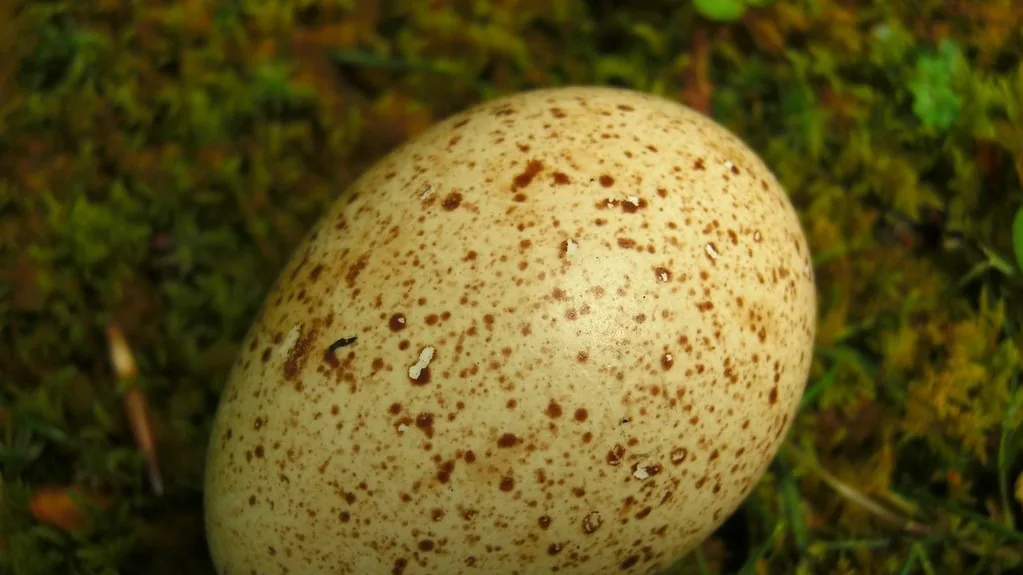
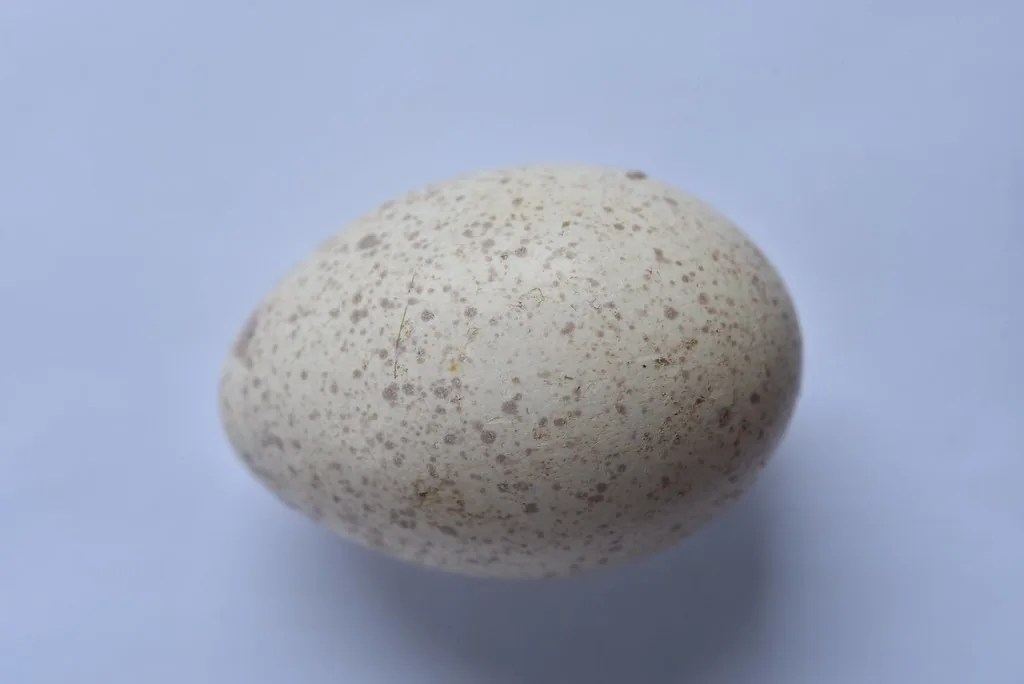
Like all birds, female turkeys lay eggs. Male turkeys (toms or gobblers) don’t. Domestic turkey eggs are cream to light tan with brown speckles, and they’re noticeably larger than chicken eggs. Poultry breeder Frank Reese, quoted in Hobby Farms, describes a turkey egg as “almost twice the size of a chicken egg.” Our side-by-side guide to turkey eggs puts a typical turkey egg at about 2.8–3.5 oz (80–100 g), versus roughly 2 oz (50–57 g) for a large chicken egg.
Inside, a turkey egg looks and cooks like a chicken egg, with a bigger yolk. You can scramble, fry, boil or bake with them.
When Do Turkeys Start Laying Eggs?
Most turkey hens start laying in their first spring. Reese gives a typical range of 7 to 10 months old, depending on location, while an Ask Extension poultry expert puts the average closer to about a year. A poult hatched in late spring will usually start laying the following spring.
Turkeys are seasonal layers. Lengthening days and temperatures above freezing trigger laying, and shortening days in late summer and fall bring it to a stop. In Kansas, Reese says his hens usually lay from March through August. In the Southern Hemisphere, the same pattern runs roughly from September to February.
How Many Eggs Does a Turkey Lay?
| Turkey hen | Laying-breed chicken | |
|---|---|---|
| Eggs per year | About 30–60 per season for most heritage hens, some up to about 80 | Often 250+ for high-production breeds |
| Starts laying | About 7–12 months | About 4.5–6 months for most laying breeds |
| Laying season | Mainly spring and summer | Most of the year, slowing in winter |
| Egg size | About 80–100 g (2.8–3.5 oz) | About 50–57 g (2 oz), large |
| Incubation | About 28 days | About 21 days |
Numbers vary by breed and management. The Livestock Conservancy notes that Midget White hens can lay up to about 80 eggs, which makes them one of the better laying turkey varieties. Gathering eggs daily keeps hens laying; a hen that’s allowed to build up a clutch will often go broody and stop laying while she sits.
Pro tip: Collect eggs every day during laying season. Leaving a clutch in the nest encourages a hen to go broody, and she’ll stop laying while she sits.
Do Turkeys Need a Male to Lay Eggs?
No. Just like chickens, turkey hens lay eggs whether or not a tom is around. Without a male, the eggs are infertile and won’t develop into poults, which is exactly what you want for eating eggs.
If you want to hatch poults, you’ll need a tom and a breed that can mate naturally. Heritage varieties such as Narragansett, Bourbon Red and Bronze can. Commercial Broad Breasted turkeys are a different story: the USDA’s Agricultural Research Service notes that heavy, broad-breasted lines have low fertility and that artificial insemination is now nearly universal in commercial production, because the birds are too big to mate easily. Read more in our profile of Narragansett turkeys, a good dual-purpose heritage choice.
Do Wild Turkeys Lay Eggs?
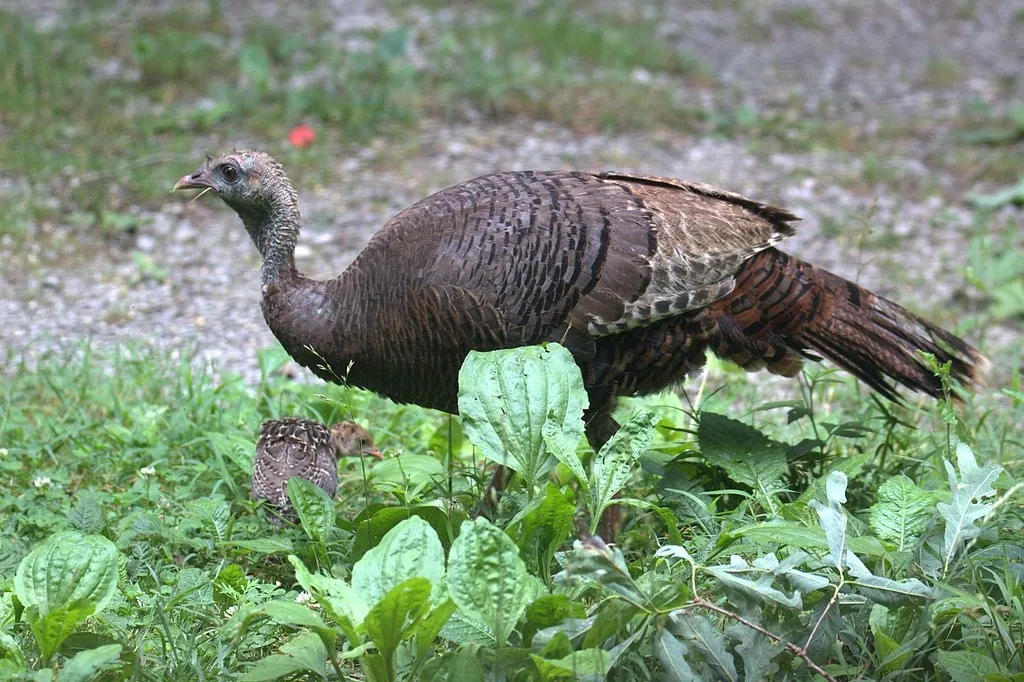
Yes. A wild turkey hen lays one clutch in spring, usually on the ground in thick cover. According to the National Wild Turkey Federation, she lays about 9 to 13 eggs, adding roughly one a day over about two weeks and visiting the nest only long enough to lay. Once the clutch is complete she incubates it for about 28 days, staying on the nest day and night except for short breaks to feed.
Wild turkey eggs are protected along with the birds in most places, so if you find a nest, leave it alone.
Why Don’t Stores Sell Turkey Eggs?
It’s simple economics. Compared with laying chickens, turkeys:
- Start laying months later, so there’s a long stretch of feeding before any eggs appear.
- Lay far fewer eggs, and mainly in spring and summer.
- Are much bigger birds that need more feed and more space per bird.
- Produce eggs worth more for hatching, since each egg can become a valuable poult.
Hobby Farms notes that turkey eggs simply cost more to produce. If you want to try them, check with local heritage turkey farms or farmers markets in spring.
Watch: why we don’t eat turkey eggs
This short explainer from The Happy Chicken Coop covers why turkey eggs are so rare in stores.
Hatching Turkey Eggs
Fertile turkey eggs take about 28 days to hatch. Penn State Extension recommends storing hatching eggs at 55–65°F (13–18°C) for no more than about 7–10 days before setting, incubating at 99.5–100°F (37.5–37.8°C), and turning them at least three times a day for the first 25 days. A forced-air egg incubator with an automatic turner makes this far easier than doing it by hand.
Turkey poults need extra warmth and help finding feed and water at first. Our guide to what turkeys eat covers starter feed and protein levels for poults and adults.
Leave wild turkey nests alone. Wild turkeys and their eggs are protected wildlife in most places. Never collect eggs from a wild nest; only gather eggs from your own domestic flock.
Caring for Laying Turkey Hens
- Nest boxes: provide large, dim, sheltered nesting spots on the ground or low down. Turkey hens often choose their own hidden nests if you don’t.
- Feed: a complete feed formulated for turkeys or breeders during laying season, with fresh water always available.
- Collection: gather eggs daily for eating, both to keep hens laying and to keep eggs clean.
- Storage: refrigerate eating eggs at 40°F (4°C) or below and cook them until whites and yolks are firm, the same as chicken eggs.
- Housing: turkeys like to roost high at night and need secure housing from predators.
Curious about other turkey quirks? See whether turkeys can fly and what a group of turkeys is called.
Helpful gear for this guide
Handy picks that match the advice above.
Quick Reference

FAQ
Do male turkeys lay eggs?
No. Only female turkeys (hens) lay eggs. Male turkeys are called toms or gobblers.
How often do turkeys lay eggs?
During the laying season, hens lay every day or two, then may pause to go broody. Over a season, most heritage hens lay roughly 30 to 60 eggs, and some reach about 80.
Can you eat turkey eggs?
Yes. Turkey eggs are safe to eat when stored and cooked like chicken eggs. They taste very similar, with a larger, richer yolk.
Do turkeys lay eggs all year?
No. Turkeys are seasonal layers. They lay mainly from spring into late summer, when days are long, and usually stop in fall and winter.
At what age do turkeys stop laying?
There’s no fixed cut-off. Reese says well-managed hens may keep laying for seven or eight years, but expect fewer eggs as hens get older.
How long does it take turkey eggs to hatch?
About 28 days, compared with about 21 days for chicken eggs.
Sources
- When Do Turkeys Start Laying Eggs? (Hobby Farms)
- Life and Times of a Wild Turkey Nest (National Wild Turkey Federation)
- Small Flock Turkey Production (Penn State Extension)
- Turkey Research at Beltsville (USDA ARS AgResearch Magazine)
For flock health questions, talk to a vet who treats poultry or your local extension office.
This guide contains affiliate links. As an Amazon Associate, FarmingAround earns from qualifying purchases, at no extra cost to you.
Get free farming guides in your inbox
Practical guides, seasonal tips and market updates. No spam, unsubscribe anytime.
Subscribe free

One Comment