

Last updated: October 2026
This guide contains affiliate links. As an Amazon Associate, FarmingAround earns from qualifying purchases, at no extra cost to you.
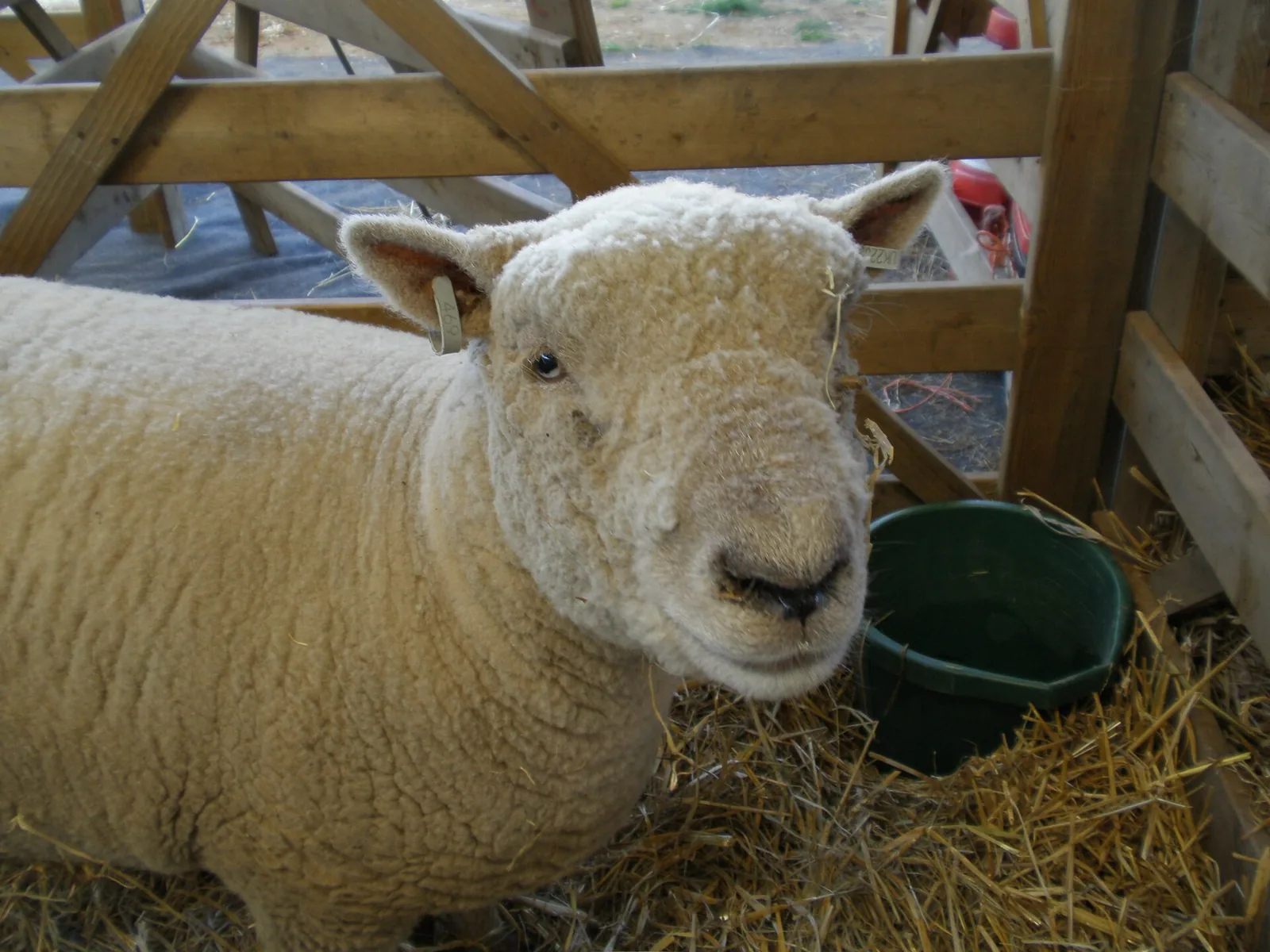
Babydoll sheep (properly called Olde English Babydoll Southdowns) are small, hornless, wool sheep that stand only about 18–24 inches (46–61 cm) at the shoulder. They’re gentle, easy to handle and famous for their “smiling” teddy-bear faces, which makes them one of the most popular sheep breeds for small farms, families and orchards.
They aren’t a new designer breed. Babydolls are the original small type of Southdown, one of England’s oldest sheep breeds, kept going by a handful of breeders after the commercial Southdown was bred bigger. This profile covers their history, size, temperament, wool and meat, day-to-day care and whether they’re the right fit for your land.
Key takeaways
- Small and calm: 18–24 in (46–61 cm) tall, docile and easy for children and beginners to handle.
- Great grazers: short, heavy bodies make them popular for mowing grass between fruit trees and vines.
- Fine, soft wool: roughly 23–29 microns, prized by hand spinners and felters. Shear once a year.
- Copper is the big risk: like all sheep, they need sheep-specific minerals and feed, never goat, cattle or horse products.
In this guide
Babydoll Sheep Quick Facts
| Trait | Babydoll Southdown |
|---|---|
| Origin | South Downs of Sussex, England; preserved as a small type in North America |
| Height at withers | About 18–24 in (46–61 cm) |
| Adult weight | Roughly 60–125 lb (27–57 kg), depending on sex, age and line |
| Horns | None (polled) |
| Colors | Mostly off-white; black Babydolls are also common |
| Wool | Short, springy, fine medium wool, about 23–29 microns |
| Temperament | Docile, curious, easy to train and handle |
| Main uses | Grazing and weed control, fiber, pets, 4-H, small-scale meat |
| Lifespan | Around 10 years with good care |
| Good for beginners? | Yes |
History and Origin
Babydolls trace back to the Southdown, developed on the chalk hills of the South Downs in Sussex, England, in the late 1700s and early 1800s. Breeder John Ellman is widely credited with standardizing the breed, and Southdowns were valued for their tender meat and fine fleece. Documented imports to the United States began in the early 1800s, and Oklahoma State University’s breed records note importations into Pennsylvania between 1824 and 1829.
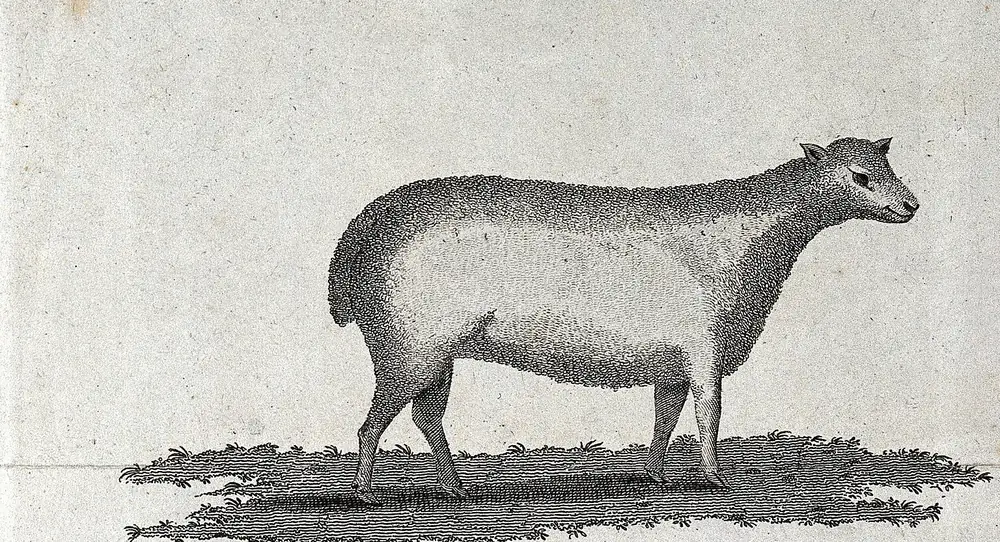
The original Southdown was a small, blocky sheep. Through the 20th century, commercial breeders selected for taller, larger animals that produced bigger cuts of meat, and the old small type nearly disappeared. In 1986, breeder Robert Mock began searching for flocks that still carried the original small-framed Southdown genetics. His work led to a registry to keep those bloodlines pure, and the name “Olde English Babydoll Southdown” was born.
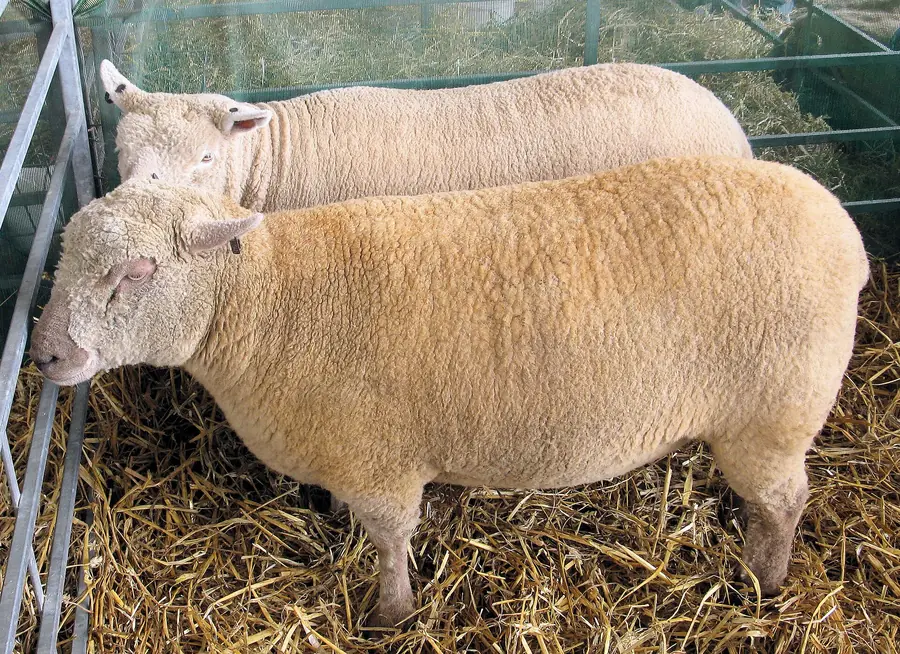
Today you’ll see Babydolls on hobby farms across the United States, Canada, the UK and Australia. Modern Southdowns are noticeably larger: Oklahoma State lists mature Southdown ewes at 130–180 lb (59–81 kg) and rams at 190–230 lb (86–104 kg), well above a typical Babydoll.
Size and Appearance
Babydolls are short-legged, wide and long-bodied, with a level back and plenty of muscle for their size. The registry ideal is roughly 18–24 inches (46–61 cm) at the withers, so even an adult ram comes up to about knee or mid-thigh height on most adults.
- Face: broad, short and woolly, with the wide “smile” that gives the breed its nickname.
- Ears: small and set to the side, often covered in wool.
- Horns: none. Both ewes and rams are naturally polled.
- Color: most are off-white; black Babydolls also exist, and their fleece often fades toward brown or gray in the sun.
- Fleece: dense, short and springy, covering much of the face and legs.
Because they’re so short and heavy-bodied, Babydolls find it hard to stand on their hind legs and reach up into trees. That trait is the reason they became so popular for grazing orchards and vineyards.
Temperament
Babydolls are known for being docile, curious and easy to train. Many learn to come to a bucket or a call within days, and their size makes them far less intimidating than full-size sheep for children, older owners and first-timers. They’re common in 4-H and petting farms for exactly this reason.
They are still flock animals. A single sheep kept alone becomes stressed and noisy, so plan on at least two, and ideally three or more. Rams of any breed can become pushy, especially in the breeding season, so wethers (castrated males) or ewes make the easiest pets.
Pro tip: if you only want lawn mowers and pets, buy a pair of wethers. They’re usually cheaper than registered ewes, calm, and you won’t have to manage breeding or lambing.
Wool, Meat and Grazing
Wool
Southdown wool is one of the finest of the British breeds, typically around 23–29 microns. It’s short-stapled, springy and soft against the skin, takes dye well and is a favorite with hand spinners and needle felters. Babydolls produce less fleece than full-size Southdowns simply because they’re smaller, so they’re a hobby fiber flock rather than a commercial wool operation.
Meat
Southdowns have always been a meat breed, and Babydolls carry a well-muscled carcass with a good meat-to-bone ratio for their size. Cuts are small, though, so most owners treat meat as a bonus from surplus ram lambs rather than the main reason to keep them.
Grazing and weed control
This is where Babydolls shine. Their short stature and heavy build make them less likely to reach fruit or strip bark than taller sheep, so growers use them to mow grass and weeds between fruit trees and vines, add manure and clean up windfall fruit. They still need watching: sheep will nibble low leaves, bark on young trees and any grapes within reach, so protect young trunks and move the flock out before fruit hangs low.
Copper warning: many orchards and vineyards are sprayed with copper fungicides, and sheep are very sensitive to copper. Don’t graze sheep where copper sprays have been used, and ask your extension office or vet about safe intervals for any spray program.
Watch: Why Homesteaders Love Babydoll Sheep
This video from a small homestead introduces Olde English Babydoll Southdowns and why the owners chose them.
How to Care for Babydoll Sheep
Babydolls are hardy, easy keepers, but they need the same basic care as any sheep.
Shelter and fencing
- Shelter: a simple three-sided shed that keeps off wind, rain and summer sun is enough in most climates. Keep bedding dry.
- Fencing: woven-wire field fence or electric net fencing works well. Babydolls rarely jump, but fencing also has to keep out dogs and coyotes, the most common predators of small sheep.
- Night protection: in areas with coyotes or loose dogs, lock the flock in a secure pen at night or keep a livestock guardian animal.
Feeding
- Forage first: good pasture in the growing season and grass hay in winter make up most of the diet.
- Minerals: provide a loose mineral or salt made specifically for sheep. Goat, cattle and horse minerals often contain copper levels that can poison sheep.
- Grain: most adult Babydolls don’t need it. Late-pregnant and nursing ewes may need extra feed; use a sheep ration and introduce it slowly.
- Water: clean, fresh water every day, with a heated bucket or de-icer in freezing weather.
Babydolls put on weight easily, so watch body condition and go easy on treats. If you also keep goats, read our guide to what goats can eat and keep goat minerals where the sheep can’t reach them.
Shearing, hooves and health
- Shearing: once a year, usually in spring before hot weather. Find a shearer who works with small sheep, or learn to do it yourself.
- Hooves: check and trim as needed, often every few months, and watch for limping or foot odor.
- Parasites: internal parasites such as barber pole worm are the biggest health threat to grazing sheep. Rotate pastures, use fecal egg counts and FAMACHA eye checks, and deworm based on results rather than on a fixed calendar.
- Vaccines: most vets recommend a yearly CDT vaccine (clostridial diseases and tetanus). Ask a local vet about others for your area.
- Breeding: ewes usually lamb once a year after a gestation of about five months. Twins and occasionally triplets happen, and Babydoll ewes have a reputation for rarely having lambing problems.
Pros and Cons
| Pros | Cons |
|---|---|
| Small, gentle and easy to handle | Small meat and fleece yields |
| Hornless | Registered stock can be expensive |
| Excellent grass and weed grazers in orchards | Still need yearly shearing |
| Fine, soft wool for hand spinning | Prone to getting overweight |
| Hardy easy keepers on grass and hay | Vulnerable to dogs and coyotes because of their size |
| Great for children and 4-H | Need sheep-only minerals (copper sensitivity) |
Who Babydoll Sheep Suit Best
Babydolls are a great match if you:
- Have a few acres or less and want living lawn mowers. Our guide to homesteading on an acre shows how small livestock fits into a tight plan.
- Grow fruit trees or grapes and want help with grass and weeds.
- Have children, or want calm animals that are easy to catch and handle.
- Spin, felt or knit and want your own fine wool.
They’re a poor fit if your main goal is meat or wool income. Larger breeds such as Suffolk, Dorset or Katahdin grow far more lamb per ewe. Compare options in our full guide to sheep breeds, and see how sheep stack up against other livestock in the most profitable farm animals.
Helpful gear for this guide
Handy picks that match the advice above.
Links go to Amazon. Prices and availability change, so check reviews and fit for your setup before buying.
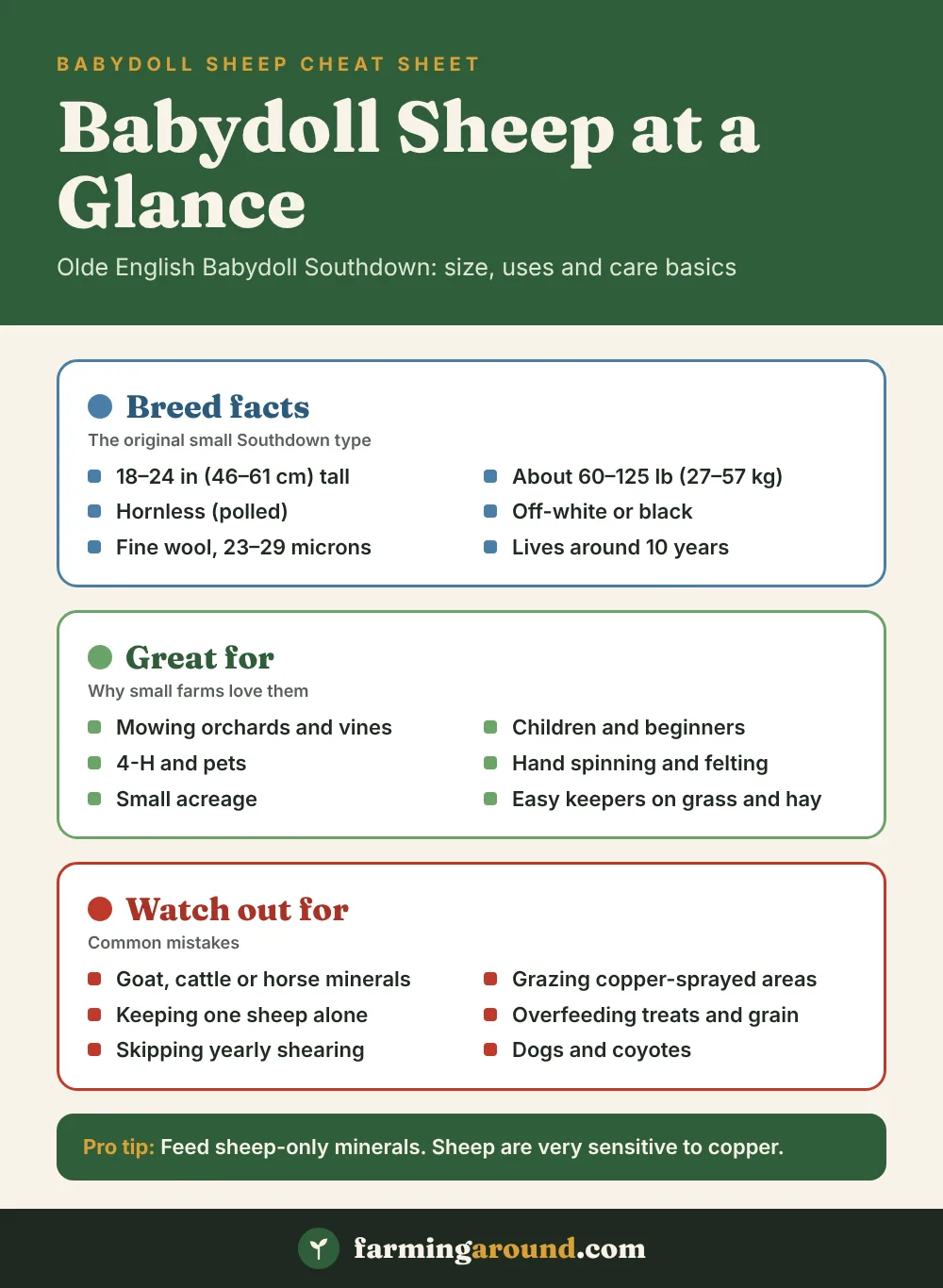
At a Glance: Babydoll Sheep
FAQ
How big do Babydoll sheep get?
Adults usually stand about 18–24 inches (46–61 cm) at the shoulder and weigh roughly 60–125 lb (27–57 kg), with rams heavier than ewes.
Are Babydoll sheep good pets?
Yes. They’re docile, hornless and easy to handle, which makes them popular with families and beginners. Keep at least two, because sheep are stressed when kept alone.
How much land do Babydoll sheep need?
It depends heavily on your rainfall and grass. A small flock can live on a few acres or less if you rotate pasture and feed hay when grass runs short. Ask your local extension office for stocking rates in your area.
Do Babydoll sheep need to be sheared?
Yes. They grow wool continuously and need shearing about once a year, usually in spring.
Can Babydoll sheep live with goats?
They can share pasture, but they shouldn’t share minerals or goat feed. Goat products often contain copper levels that can be toxic to sheep.
How long do Babydoll sheep live?
Around 10 years is typical, and well-cared-for sheep can live longer.
Sources
- Southdown Sheep (Oklahoma State University, Breeds of Livestock)
- Breed Profile: Babydoll Southdown Sheep (Hobby Farms)
- Raising Miniature Sheep (Grainews)
- Copper Poisoning in Animals (Merck Veterinary Manual)
This guide is general information. For feeding, health or vaccination plans, talk to a vet who treats sheep or your local extension office.

2 Comments