

Last updated: October 2026
This guide contains affiliate links. As an Amazon Associate, FarmingAround earns from qualifying purchases, at no extra cost to you.
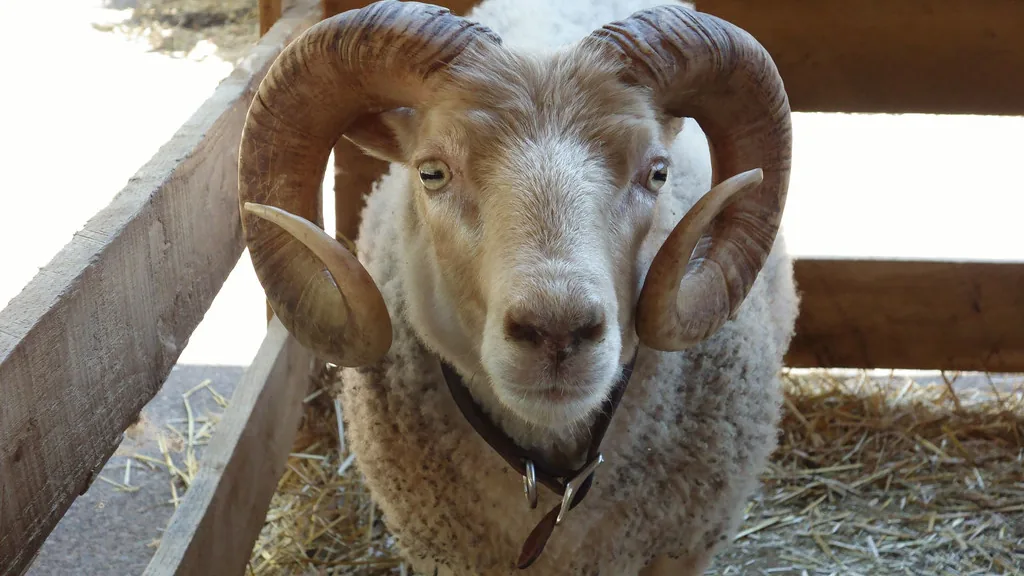
A ewe (pronounced “you”) is a female sheep, and a ram is an intact, uncastrated male sheep, called a tup in much of the UK. A castrated male is a wether. Rams are larger and heavier, often more aggressive, and their main job on a farm is breeding; ewes make up most of any flock and produce the lambs and milk.
Below is a side-by-side comparison of ewes and rams: how to tell them apart, how they behave, their roles in breeding, how to manage each, and which ones make sense for a small farm or homestead.
Key takeaways
- Ewe = female, ram = intact male, wether = castrated male, lamb = any sheep under about a year.
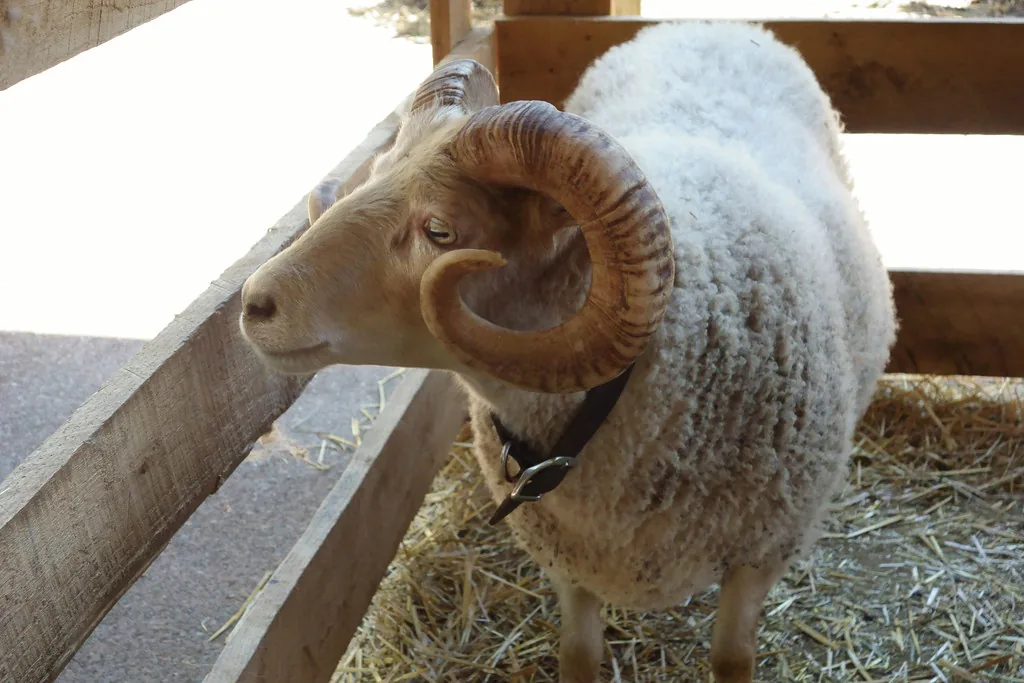
- Horns don’t tell you the sex. In some breeds both sexes are horned, in others neither, and in some only rams.
- Rams can be dangerous, especially in breeding season. Never turn your back on one.
- Small flocks rarely need a ram. Ewes plus wethers are easier; borrow or rent a ram for breeding.
In this guide
Ewe vs Ram at a Glance
| Feature | Ewe | Ram |
|---|---|---|
| Sex | Female | Intact male |
| Other names | Ewe lamb (young female), gimmer (UK, young ewe) | Tup (UK), ram lamb (young male) |
| Size | Smaller, lighter frame | Larger and heavier, with a thick neck and broad head |
| Horns | Depends on breed; often polled | Depends on breed; more likely to be horned, with bigger horns |
| Temperament | Usually calm and flock-minded; protective of lambs | Can be pushy or aggressive, especially in breeding season |
| Main role | Produces lambs, milk and wool | Breeding; one ram can cover 25–50 ewes |
| Numbers in a flock | Most of the flock | One or a few, often kept separately |
| Best for beginners? | Yes | Only if you plan to breed and have strong facilities |
Sheep Terms Explained
Sheep vocabulary varies by country, which is where a lot of confusion comes from. These are the terms you’ll hear most:
- Ewe: a mature female sheep. A ewe lamb is a female under a year old.
- Ram: a mature intact male. In Britain and parts of Australia and New Zealand, a ram is often called a tup, and breeding is “tupping.”
- Wether: a castrated male. Wethers are calmer and are commonly kept for meat, wool or as companions.
- Lamb: a young sheep, usually under 12 months. Meat from these animals is also called lamb.
- Hogget: in the UK, Australia and New Zealand, a young sheep between lamb and adult, roughly 1–2 years old; in the US you’ll more often hear yearling.
- Flock: a group of sheep. “Joining” (Australia/NZ) means putting rams in with ewes for breeding.
How to Tell Them Apart
The only foolproof check is anatomy. A ram has an obvious scrotum hanging between the hind legs; a ewe has a vulva under the tail and an udder between the hind legs. In a full-fleeced sheep, you may need to look closely or part the wool.
From a distance, these clues help:
- Build: mature rams are noticeably bigger and more muscular, with a heavier head and thicker neck, which swells further in breeding season.
- Horns: in breeds such as Merino and Rambouillet, rams are usually horned and ewes are usually polled. In Jacob, Scottish Blackface and Dorset Horn, both sexes grow horns, but the ram’s are typically much larger and more curled. Breeds like Suffolk, Hampshire and Southdown are polled in both sexes.
- Behavior: rams sniff and follow ewes, curl their lip (the flehmen response) and posture at other males.
Watch: Sorting Ram Lambs From Ewe Lambs
This video from Ewetopia Farms shows a working flock separating young rams from ewe lambs.
Behavior and Temperament
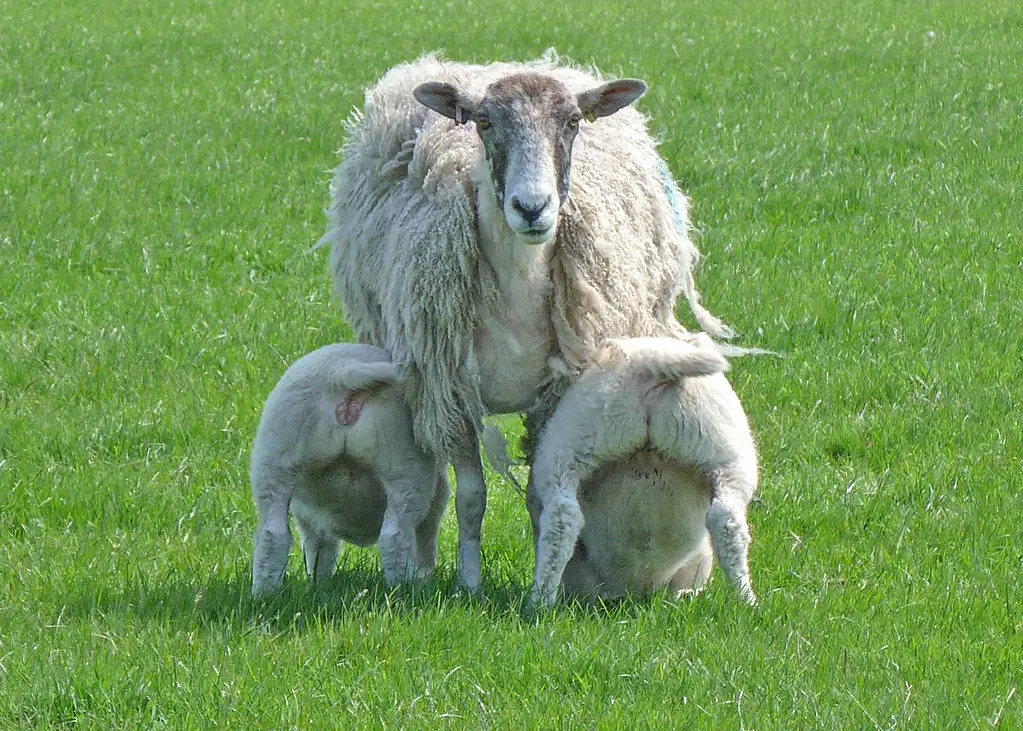
Ewes are generally calm, timid and happiest in a group. They can be protective around newborn lambs and may stamp or butt at a dog or person who gets too close, but serious aggression is rare.
Rams are a different matter. Head-butting is normal ram behavior, and a mature ram can hit hard enough to break bones. Aggression usually peaks in late summer and fall when rams are in rut.
Ram safety: never turn your back on a ram, don’t let children into a ram’s pen, and avoid hand-feeding or playing head games with ram lambs. Bottle-raised rams that lose their fear of people are often the most dangerous adults, because they treat humans as rivals.
Roles in Breeding
The ewe
- Season: most sheep are short-day breeders, cycling as days shorten in late summer and fall. Some breeds (such as Dorset and many hair sheep) breed over a longer season.
- Cycle: about every 17 days (range 14–19), with heat lasting around 30 hours. Signs are subtle, so a ram does the detecting.
- Puberty: 5–12 months depending on breed and nutrition. Breed ewe lambs only once they reach about 60–65% of their mature weight.
- Gestation: about 147 days, or roughly five months (range 144–152).
The ram
- Ratio: a mature ram can usually cover 25–50 ewes in a breeding season; a well-grown ram lamb, about 15–30.
- Soundness: have a vet do a breeding soundness exam before the season, checking feet, teeth, body condition and testicles.
- Heat stress: long spells above 90°F (32°C) reduce fertility, and sperm take 6–7 weeks to recover after heat or illness.
- The “ram effect”: introducing a ram near the end of the non-breeding season can bring ewes into heat sooner, as long as they haven’t been running with him all along.
Southern Hemisphere note: seasons are reversed, so in Australia, New Zealand and South Africa rams are typically joined with ewes from late summer through autumn (roughly February to May) for spring lambing.
Managing Ewes and Rams
Ewes live as a flock with good pasture or hay, clean water and a sheep mineral. Their feed needs climb sharply in the last six weeks of pregnancy and during lactation. Many shepherds “flush” ewes with better feed for 2–4 weeks before breeding to boost ovulation.
Rams are usually kept apart from the ewes outside breeding season, with a companion such as a wether or another ram so they aren’t alone. They need stronger fences and gates than ewes, and a handling setup that lets you work them without stepping into the pen.
Pro tip: Feed every sheep a sheep-specific mineral, never a goat or cattle mineral. Sheep are very sensitive to copper, and too much can be fatal. Rams and wethers also do best on a forage-based diet, since grain-heavy rations raise the risk of urinary stones.
Which Should You Keep?
For most small farms and homesteads, the answer is ewes, plus wethers if you want companions or wool. Ewes are easier to handle, give you lambs and fit together peacefully. If you want lambs but not the work and risk of a full-time ram, borrow or rent one from a neighbor for the breeding season, or ask your vet about artificial insemination.
A ram makes sense when you have a larger flock, plan to breed every year, and have sturdy facilities. Small, docile breeds are easier for beginners; our guide to Babydoll sheep covers one popular option, and our sheep breeds overview compares wool, meat and hair breeds. If you’re weighing sheep against other livestock, see the most profitable farm animals.
Helpful gear for this guide
Handy picks that match the advice above.
Links go to Amazon. Prices and availability change, so check reviews and fit for your setup before buying.
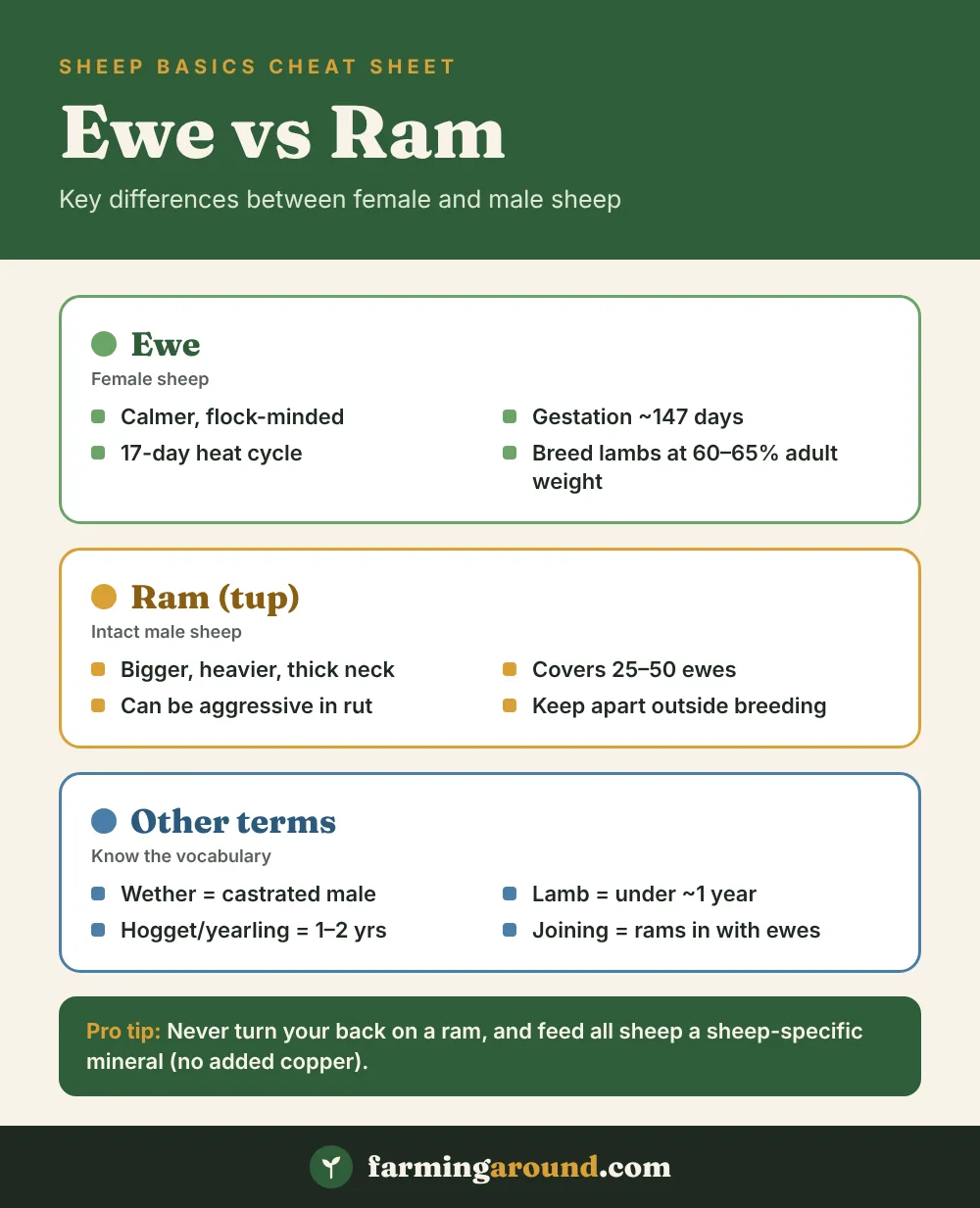
Quick Reference: Ewe vs Ram
FAQ
What is a female sheep called?
A female sheep is a ewe. A young female under a year old is a ewe lamb.
What is a male sheep called?
An intact male sheep is a ram, or tup in the UK. A castrated male is a wether, and a young male is a ram lamb.
Do ewes have horns?
Some do. It depends on breed: Jacob, Scottish Blackface and Dorset Horn ewes are horned, while Merino ewes are usually polled and Suffolk ewes never have horns.
How many ewes can one ram service?
A mature, healthy ram can usually cover 25–50 ewes in a breeding season. Ram lambs should get fewer, about 15–30.
Can you keep two rams together?
Yes, outside breeding season, rams are often kept together or with wethers. Expect some fighting when they’re first mixed or after being apart; putting them in a small pen together for a few days can reduce injuries.
How long is a ewe pregnant?
About 147 days, or roughly five months, with a normal range of about 144–152 days.
Sources
- New Mexico State University: Reproduction in Sheep
- Merck Veterinary Manual: Breeding, Parturition and Common Lamb Diseases of Sheep
For breeding, feeding and health decisions, consult a livestock vet or your local extension office.


One Comment