

Last updated: September 2026
This guide contains affiliate links. As an Amazon Associate, FarmingAround earns from qualifying purchases, at no extra cost to you.
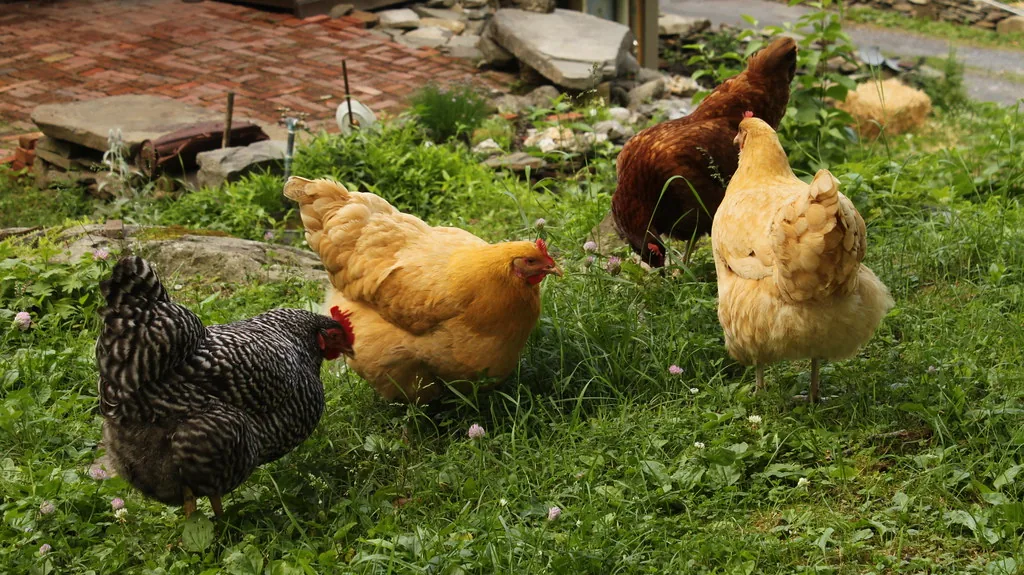
There are hundreds of chicken breeds and varieties, but nearly all of them fit into five types: egg layers, meat breeds, dual-purpose breeds, bantams and ornamental or heritage breeds. For most backyard keepers, a calm dual-purpose breed such as the Plymouth Rock, Orpington or Rhode Island Red is the easiest place to start.
This guide explains each type of chicken breed with pictures, compares 15 popular breeds in one table (egg color, eggs per year, size and hardiness), and shows you how to pick the right birds for your climate and goals.
Key takeaways
- Best layers: Leghorns, Rhode Island Reds, Australorps and sex-link hybrids lay the most eggs.
- Best all-rounders: dual-purpose breeds like Plymouth Rock, Orpington, Sussex and Wyandotte lay well and are calm.
- Egg color comes from the breed: Araucanas and Ameraucanas lay blue, Marans lay chocolate brown, Leghorns lay white.
- Match your climate: heavy, rose- or pea-combed breeds handle cold; lighter breeds cope better with heat.
In this guide
- The 5 Main Types of Chicken Breeds
- Chicken Breeds Comparison Table
- Best Egg-Laying Chicken Breeds
- Best Dual-Purpose Breeds for Beginners
- Meat Chicken Breeds
- Bantam and Ornamental Breeds
- What Is a Heritage Chicken Breed?
- Best Chicken Breeds by Climate
- How to Choose the Right Chicken Breed
- At a Glance: Types of Chicken Breeds
- FAQ
The 5 Main Types of Chicken Breeds
All domestic chickens descend from the red jungle fowl of Southeast Asia, a 2 lb (0.9 kg) bird that lays only 10–12 eggs a season. Centuries of breeding produced birds for very different jobs:
| Type | Bred for | Examples | Good to know |
|---|---|---|---|
| Egg layers | Maximum eggs | Leghorn, Australorp, sex-links | Lighter bodies; some are flighty |
| Meat breeds | Fast growth | Cornish Cross, Jersey Giant | Cornish Cross reaches 4–5 lb in about 6 weeks |
| Dual-purpose | Eggs and meat | Plymouth Rock, Rhode Island Red, Wyandotte, Orpington | Calm, hardy, ideal for beginners |
| Bantams | Small size | Silkie, Sebright, Pekin, bantam versions of large breeds | Roughly 1/4 to 1/5 the size of large fowl |
| Ornamental / heritage | Looks, conservation, broodiness | Cochin, Brahma, Polish | Often lay fewer eggs |
The American Poultry Association also groups large breeds by origin into American, Asiatic, English, Mediterranean and Continental classes. Mediterranean breeds (like Leghorns) tend to be active, flighty and lay white eggs, while Asiatic breeds (like Brahmas and Cochins) are big, feather-footed and calm.
Chicken Breeds Comparison Table
Weights are the American Poultry Association standard weights for large-fowl hens (roosters are heavier), as published by University of Wisconsin–Madison Extension. Egg numbers come from The Livestock Conservancy and extension sources; real flocks vary with strain, age, feed and daylight. A dash means no reliable yearly figure is published.
| Breed | Type | Egg color | Eggs per year | Hen weight | Temperament | Hardiness |
|---|---|---|---|---|---|---|
| Leghorn | Layer | White | 150–320 | 4.5 lb (2.0 kg) | Active, flighty | Heat and cold |
| Australorp | Layer / dual | Light brown | 250+ | 6.5 lb (2.9 kg) | Friendly | Needs shade in heat |
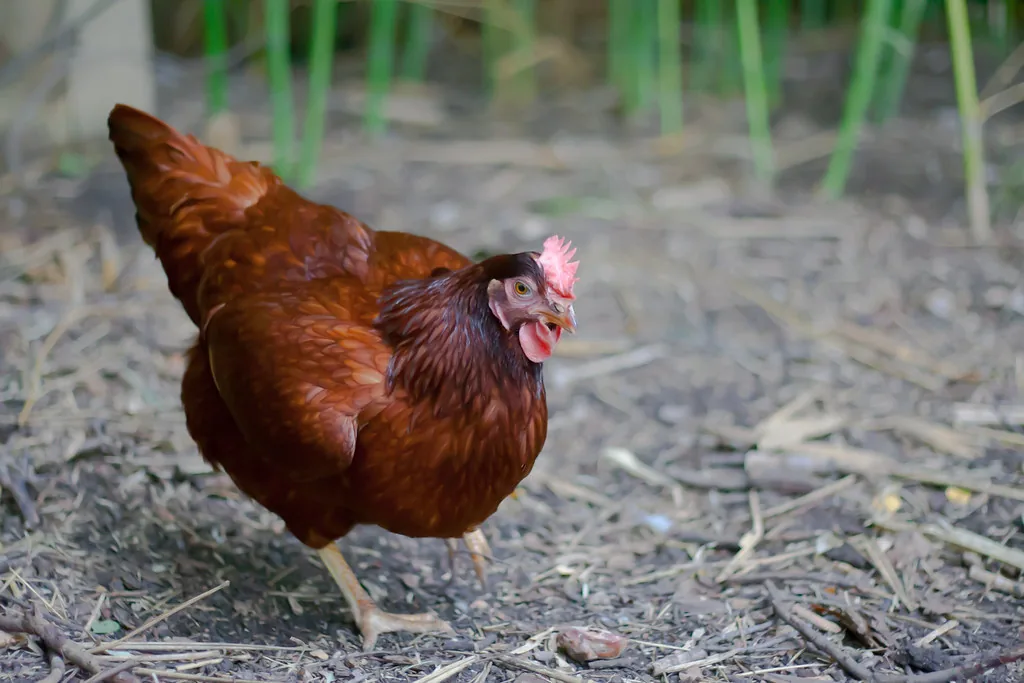
| Rhode Island Red | Dual-purpose | Brown | 200–300 | 6.5 lb (2.9 kg) | Hens calm; some roosters pushy | Very hardy |
| Plymouth Rock | Dual-purpose | Brown | About 200 | 7.5 lb (3.4 kg) | Calm, good with kids | Cold-hardy |
| Sussex | Dual-purpose | Tan to brown | 200–250 | 7 lb (3.2 kg) | Calm, curious | Cold-hardy; dislikes heat |
| Orpington | Dual-purpose | Light to dark brown | – | 8 lb (3.6 kg) | Gentle, broody | Cold-hardy |
| Wyandotte | Dual-purpose | Light brown | – | 6.5 lb (2.9 kg) | Friendly, calm | Cold-hardy (rose comb) |
| Brahma | Heavy / dual | Brown | Up to 200 | 9.5 lb (4.3 kg) | Calm, docile | Very cold-hardy; dislikes heat |
| Cochin | Ornamental | Brown | 150–200 | 8.5 lb (3.9 kg) | Very gentle, broody | Cold-hardy; suffers in heat |
| Jersey Giant | Heavy / meat | Cream to brown | 150–200 | 10 lb (4.5 kg) | Calm, docile | Cold-hardy; dislikes heat |
| Araucana | Layer (rare) | Blue | 150–200 | About 4 lb (1.8 kg) | Calm, curious | – |
| Ameraucana | Layer | Blue | – | 5.5 lb (2.5 kg) | Docile | Cold-hardy (pea comb) |
| Marans | Dual-purpose | Dark chocolate brown | About 3 a week | 6.5 lb (2.9 kg) | Not especially docile | Winter-hardy |
| Welsummer | Layer | Dark speckled brown | About 4 a week | 6 lb (2.7 kg) | Friendly, active | Cold-hardy |
| Silkie | Bantam / ornamental | Cream or tinted | Few (often broody) | 32 oz (0.9 kg) | Very broody | Keep dry |
Best Egg-Laying Chicken Breeds
Leghorns are the classic white-egg layer and the breed behind most commercial white eggs; a good commercial strain can lay 260-plus eggs in 12 months. They’re small, efficient and handle both heat and cold, but they can be noisy, nervous and hard to handle, so they’re rarely the best first choice for families.
Australorps, developed in Australia from Black Orpingtons, are famous for laying: an Australorp hen set a record of 364 eggs in 365 days under official trap-nest testing. A backyard Australorp typically lays 250 or more a year and is friendly, even the roosters. Rhode Island Reds are probably the best layers among dual-purpose breeds and keep laying even on poorer feed and housing.
Sex-link hybrids (Black Sex-Links, Red Sex-Links, Golden Comets and similar) are crosses where chicks can be sexed by color at hatch. They lay brown eggs very well and are calmer than commercial Leghorns, but they don’t breed true, so you can’t hatch more of the same from your own flock.
Colored-Egg Breeds
A handy rule: hens with white earlobes usually lay white eggs and hens with red earlobes lay brown eggs. The famous exceptions are the Araucana and Ameraucana, which lay blue eggs. Easter Eggers aren’t a breed but mixes that lay blue, green or even pinkish eggs. For deep chocolate-brown eggs, choose Marans or Welsummers.
Pro tip: want a rainbow egg basket? Mix a few breeds: Leghorn (white), Rhode Island Red (brown), Ameraucana (blue), Easter Egger (green) and Marans (dark brown).
Best Dual-Purpose Breeds for Beginners
Dual-purpose hens lay reasonably well, and the males grow big enough to eat. Most were developed on farms in the 1800s and are hardy, calm and easy to keep:
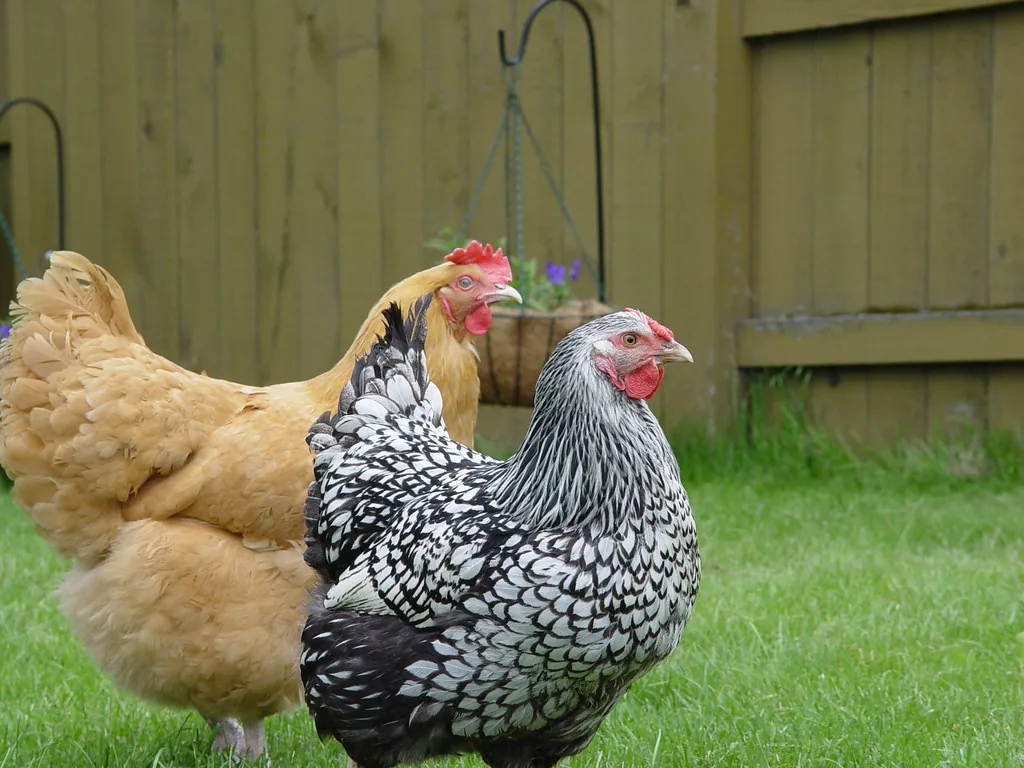
- Plymouth Rock (Barred Rock): first shown in Massachusetts in 1849. Calm, good with children, cold-hardy and a reliable brown-egg layer, sometimes laying into old age.
- Orpington: the gentle, fluffy Buff Orpington is a favorite family bird. Heavy, loose feathering keeps them warm in winter, and hens make good broody mothers.
- Wyandotte: known for laced feathers (Silver Laced and Gold Laced are popular). Their rose combs resist frostbite, making them a great cold-climate choice.
- Sussex: calm and curious, good for families. Lays 200–250 tan to brown eggs a year but doesn’t enjoy hot weather.
Watch: Chicken Breeds for Beginners
Epic Homesteading talks through popular beginner-friendly breeds in this video.
Meat Chicken Breeds
The Cornish Cross (a White Cornish crossed with a White Plymouth Rock) is the standard meat bird. It reaches 4–5 lb (1.8–2.3 kg) in about six weeks and 6–10 lb (2.7–4.5 kg) in 8–12 weeks, but it’s a poor egg layer and doesn’t forage as well as other breeds. Jersey Giants are the largest chicken breed, with hens around 10 lb (4.5 kg), but they grow slowly and take 8–9 months to reach a useful size. Slower-growing heritage and dual-purpose breeds suit pasture-based setups better. Our guide to raising meat chickens covers timing, feed and processing.
Bantam and Ornamental Breeds
Bantams are miniature chickens, roughly a quarter to a fifth the size of the large version. They eat less, need less space and are easy for children to handle. Some breeds, called true bantams, have no large version at all.
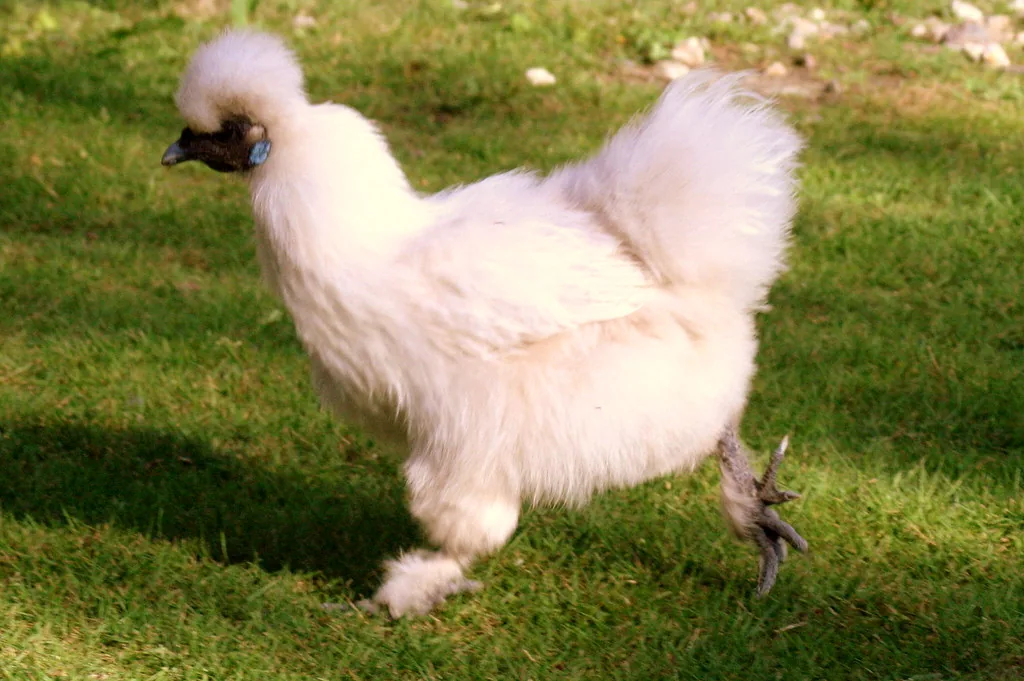
The Silkie is the best-known ornamental bantam, with fur-like feathers, black skin, five toes and a strong tendency to go broody, which makes Silkies popular for hatching other hens’ eggs. Cochins are big, feather-footed and extremely gentle, and Brahmas are huge (up to 30 inches tall), calm birds that lay mostly in winter.
What Is a Heritage Chicken Breed?
According to The Livestock Conservancy, a heritage chicken must meet four criteria: it comes from a breed recognized by the American Poultry Association before the mid-20th century, it mates naturally, hens stay productive for 5–7 years and roosters for 3–5, and it takes at least 16 weeks to reach market weight. Many classic breeds in this guide, including Plymouth Rocks, Wyandottes, Orpingtons, Brahmas and Australorps, meet the definition.
Best Chicken Breeds by Climate
For cold winters, choose heavier breeds with small rose or pea combs, which are less prone to frostbite: Wyandotte, Brahma, Ameraucana, Plymouth Rock, Orpington and Welsummer. Pair them with a draft-free, well-ventilated coop (see our guide to winterizing a chicken coop).
For hot climates, lighter, active breeds like Leghorns cope best. Heavy, feather-footed breeds such as Brahma, Cochin and Jersey Giant, plus the Sussex, struggle in heat, and dark birds like Australorps need plenty of shade. This applies whether you’re in Texas, Queensland or South Africa.
Heat stress kills. In hot weather, give every breed shade, airflow and cool, clean water. Panting with wings held away from the body is a warning sign.
How to Choose the Right Chicken Breed
- Decide what you want most: the most eggs, eggs and meat, pets, or show birds.
- Check your climate: cold-hardy or heat-tolerant breeds will stay healthier and lay better.
- Think about temperament: with children, choose calm breeds like Plymouth Rock, Orpington, Australorp or Cochin.
- Plan for broodiness: broody breeds (Silkie, Cochin, Orpington) are great if you want to hatch chicks, but they stop laying while sitting.
- Size your coop: big breeds like Brahmas need more room and wider pop doors. Our chicken coop plans help you size it right.
You don’t need a rooster for hens to lay eggs. If you’re just starting out, our guide to raising chickens for beginners covers chicks, feed and daily care.
Helpful gear for this guide
Handy picks that match the advice above.
Links go to Amazon. Prices and availability change, so check reviews and fit for your setup before buying.
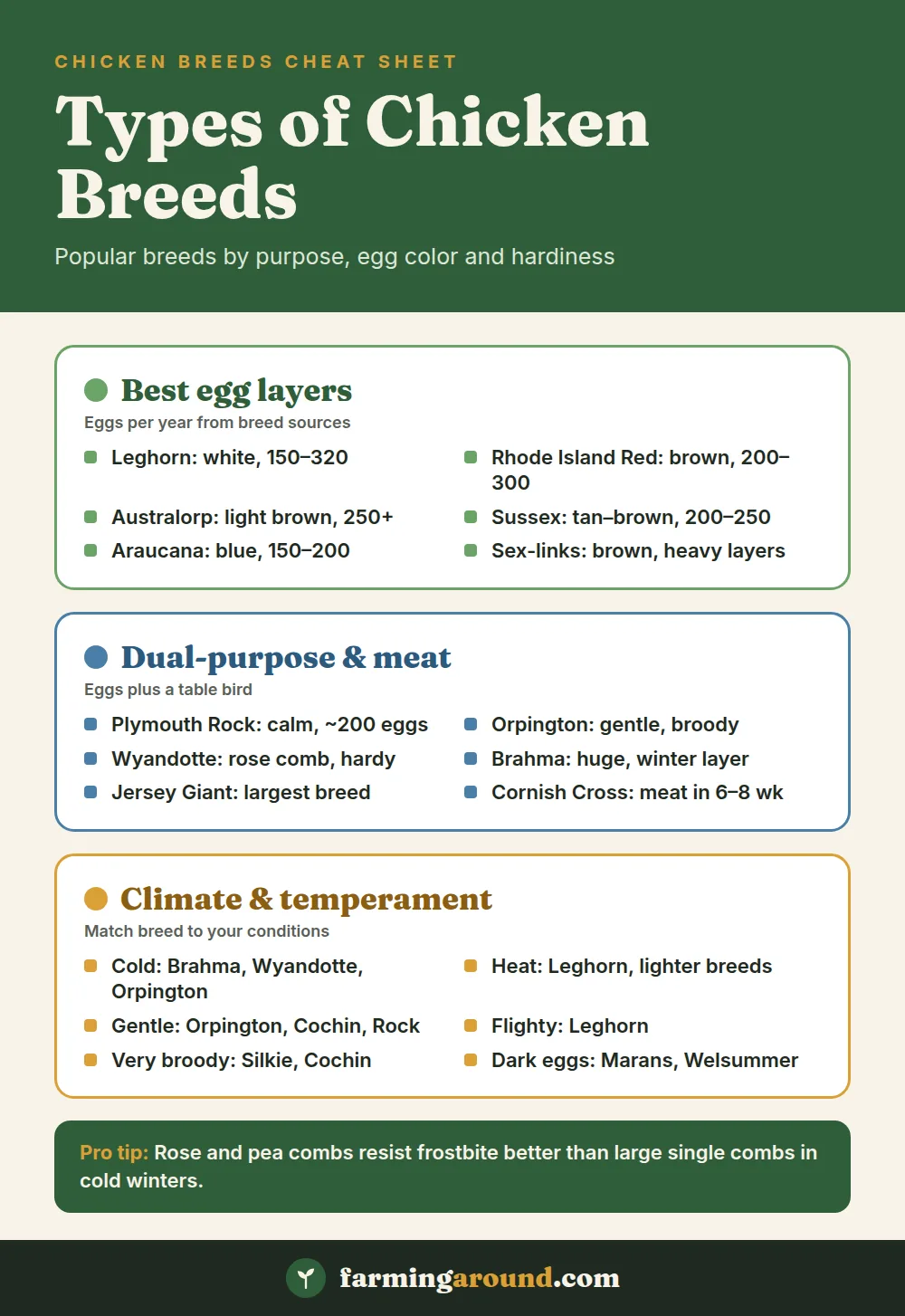
At a Glance: Types of Chicken Breeds
FAQ
How many chicken breeds are there?
There are hundreds. The American Poultry Association’s Standard of Perfection describes more than 300 breeds and varieties, and bantam groups list hundreds more miniature forms.
Which chicken breed lays the most eggs?
Commercial White Leghorns and sex-link hybrids are the top layers. Among heritage breeds, Australorps and Rhode Island Reds are standouts, with Australorps holding the record of 364 eggs in 365 days.
What is the friendliest chicken breed?
Orpingtons, Plymouth Rocks, Australorps, Cochins and Brahmas are known for calm, gentle temperaments, which makes them good with children.
What chickens lay blue or green eggs?
Araucanas and Ameraucanas lay blue eggs. Easter Eggers, which are mixed-breed birds, lay blue, green or pinkish eggs.
What is the biggest chicken breed?
The Jersey Giant is the largest, with standard weights of 13 lb (5.9 kg) for roosters and 10 lb (4.5 kg) for hens. Brahmas are close behind and can stand up to 30 inches tall.
Do hens need a rooster to lay eggs?
No. Hens lay without a rooster. You only need one if you want fertile eggs to hatch chicks.
Sources
- Chicken Breeds and Varieties (University of Wisconsin–Madison Extension)
- Heritage Chicken Definition (The Livestock Conservancy)
- Chicken Breed Selection (Ohio State University Extension)
- Selecting a Chicken Breed for Small or Backyard Flocks (Cooperative Extension)
Breed traits vary between strains and hatcheries. For flock health questions, talk to a poultry vet or your local extension office.

2 Comments