

Last updated: September 2026
This guide contains affiliate links. As an Amazon Associate, FarmingAround earns from qualifying purchases, at no extra cost to you.
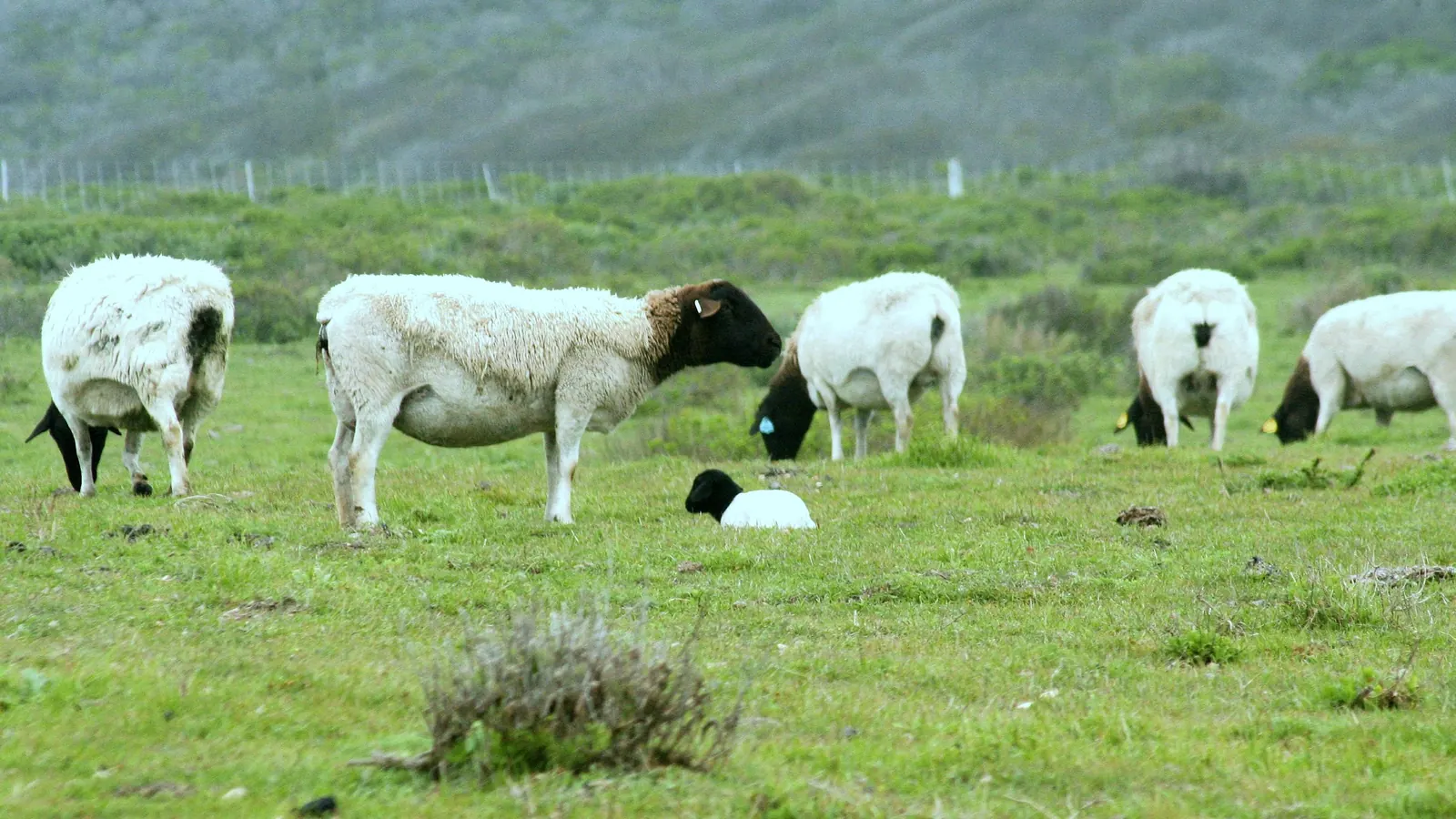
There are several hundred sheep breeds worldwide (some estimates put it at more than 1,000), but they fall into a handful of clear types: meat breeds, fine-wool breeds, long-wool and dual-purpose breeds, hair sheep that never need shearing, dairy breeds and small heritage breeds. The best sheep breed for you depends on what you want from your flock, your climate and how much land and time you have.
This guide compares the most popular sheep breeds with pictures, a quick-facts table, notes on temperament and climate, and a simple way to choose. If you only have a few acres, jump to the section on small sheep breeds.
Key takeaways
- Meat: Suffolk, Hampshire, Dorset and Texel grow fast, well-muscled lambs.
- Wool: Merino and Rambouillet give the finest fleece; Romney, Border Leicester and Corriedale give long, lustrous wool.
- No shearing: hair sheep such as Katahdin, Dorper and St. Croix shed their coats naturally and cope well with heat.
- Small acreage: Shetland, Babydoll Southdown and Soay are among the smallest, easiest-to-house breeds.
In this guide
Main Types of Sheep Breeds
Breeders group sheep by what they produce best. Knowing the type narrows your choice quickly:
- Meat breeds are bred for fast growth and muscling. Most originated in the British Isles, and many have black or dark faces.
- Fine-wool breeds such as Merino produce soft, crimpy fleece, usually under 22 microns. Fine-wool sheep make up roughly half the world’s sheep, according to University of Maryland sheep specialist Susan Schoenian.
- Long-wool and dual-purpose breeds give heavier, coarser, lustrous wool plus a good meat lamb.
- Hair sheep grow a coat that sheds every spring, so they don’t need shearing. They are only about 10% of the world’s sheep but have become much more popular in the US.
- Dairy breeds such as East Friesian and Lacaune are bred for milk, mostly for cheese.
- Heritage and primitive breeds are older, often smaller breeds prized for hardiness, colored fleece and easy care.
Sheep Breeds Comparison Table
Weights are for mature ewes (rams are heavier) and come from Oklahoma State University’s Breeds of Livestock, The Livestock Conservancy and breed associations. Individual flocks vary.
| Breed | Main use | Ewe weight | Coat | Best known for |
|---|---|---|---|---|
| Suffolk | Meat | 180–250 lb (81–113 kg) | Medium wool | Fast growth, black face |
| Hampshire | Meat | 200+ lb (91+ kg) | Medium wool | Fast growth, mild temper |
| Dorset | Meat / all-purpose | 150–200 lb (68–91 kg) | Medium wool | Out-of-season lambing |
| Texel | Meat | Not published by OSU | Medium wool | Heavy muscling |
| Merino | Fine wool | 125–180 lb (57–82 kg) | Fine wool | Finest fleece |
| Rambouillet | Fine wool | 150–200 lb (68–90 kg) | Fine wool | Hardy range sheep |
| Corriedale | Dual-purpose | 130–180 lb (59–81 kg) | Medium wool | Meat and wool |
| Romney | Dual-purpose | 150–200 lb (68–90 kg) | Long wool | Wet-climate tolerance |
| Border Leicester | Dual-purpose | 175–275 lb (78–124 kg) | Long wool | Lustrous spinning wool |
| Katahdin | Meat (hair) | 120–160 lb (54–73 kg) | Hair, sheds | No shearing, docile |
| Dorper | Meat (hair) | 180–210 lb (82–95 kg) | Hair, sheds | Arid range, fast lambs |
| St. Croix | Meat (hair) | About 120 lb (54 kg) | Hair, sheds | Parasite resistance |
| East Friesian | Dairy | 150–200 lb (70–90 kg) | Wool | Highest milk yield |
| Icelandic | Meat, fiber, milk | 130–160 lb (59–73 kg) | Dual coat | Cold hardiness |
| Jacob | Heritage / fiber | 80–120 lb (36–54 kg) | Spotted wool | Multiple horns |
| Shetland | Heritage / fiber | 75–100 lb (34–45 kg) | Fine, many colors | Small, easy care |
| Soay | Primitive | 50–80 lb (23–36 kg) | Sheds | Very small, hardy |
Best Meat Sheep Breeds
Suffolk is the classic black-faced meat sheep, developed in England from Southdown and Norfolk Horned sheep. It’s the most registered purebred breed in the US, making up almost 40% of purebred registrations according to The Livestock Conservancy. In a large USDA Agricultural Research Service trial, Suffolk-sired lambs grew fastest.
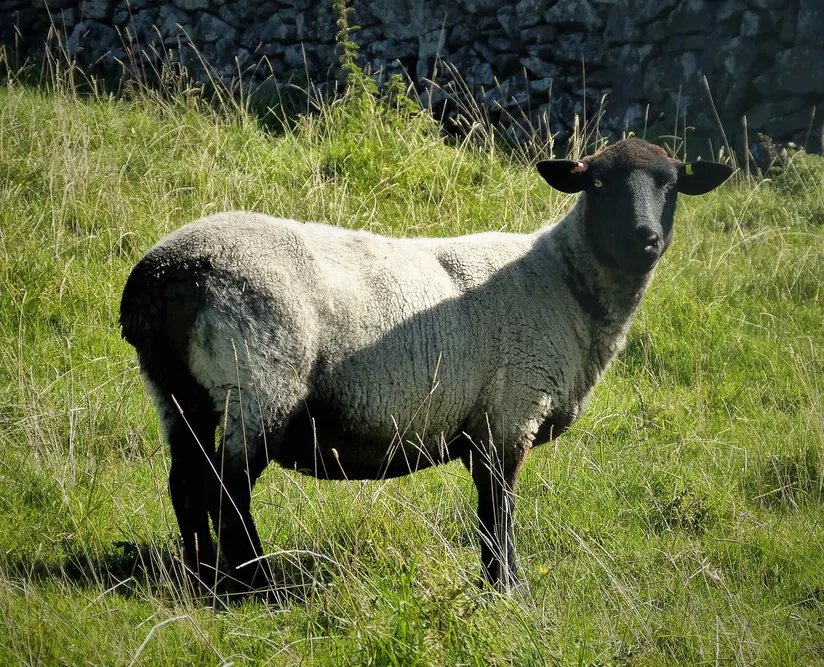
Hampshire sheep are large, fast-growing and known for a mild disposition. Dorset sheep are all-purpose: good mothers and milkers that can breed out of season, which lets you lamb in autumn. Texel, from the Netherlands, is famous for heavy muscling and a large loin, which is why it’s widely used as a terminal sire. Cheviot, from the hills of the English–Scottish border, is a smaller, hardy option (ewes 120–160 lb / 55–72 kg) that needs less care and resists foot rot.
Best Wool Sheep Breeds
Merino is the world’s great fine-wool breed, originally from Spain. Merinos make up more than half of Australia’s flock and produce the only true superfine wool. They’re long-lived, have a strong flocking instinct, and handle heat, cold and drought well. Rambouillet was developed in France from Spanish Merinos in the 1780s and is one of the most common range sheep in the western United States.
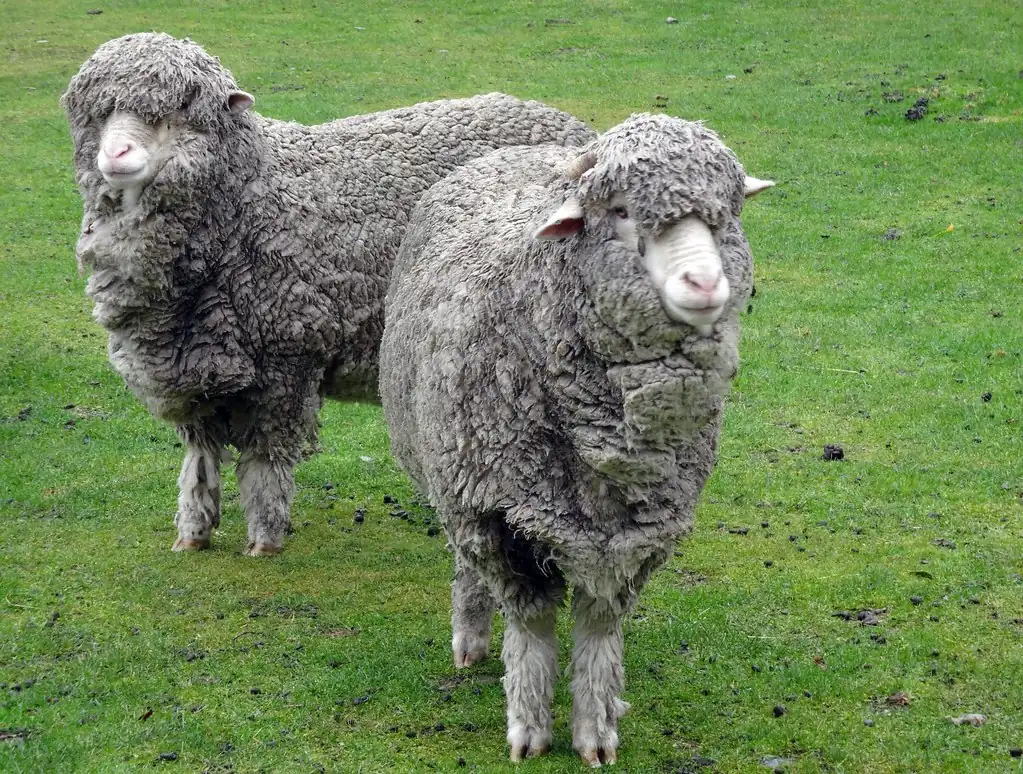
For hand spinners and wetter climates, the long-wool breeds shine. Romney comes from the marshes of Kent in England; its hooves resist foot rot and its fleece stays healthy in wet weather. Border Leicester has a Roman nose, upright ears and long, lustrous locks. Corriedale, bred in New Zealand and Australia from long-wool and Merino crosses, is a true dual-purpose sheep for meat and wool on good pasture.
Pro tip: wool breeds need shearing at least once a year, plus regular checks around the tail to prevent flystrike. Book a shearer before you buy, since good ones fill up fast in spring.
Hair Sheep Breeds (No Shearing)
Hair sheep grow a coat that sheds naturally, usually starting in spring and finishing by midsummer. That removes the cost and hassle of shearing, and most hair breeds tolerate heat and humidity well.
- Katahdin: developed in Maine, USA, from 1957. Docile, heat tolerant, grows a winter coat, tolerant of parasites, and mature ewes usually have twins.
- Dorper: developed in South Africa from Dorset Horn and Blackhead Persian sheep. It thrives in arid range conditions and can breed year-round.
- St. Croix: from the Virgin Islands with West African ancestry. It’s described as the most parasite-resistant sheep breed in the US, and it’s docile and flocks well.
No breed is completely resistant to internal parasites, so hair sheep still need good pasture management and regular fecal checks.
Watch: Choosing a Sheep Breed
University of Idaho Extension explains how to match breeds to your goals in this talk on breed selection for sheep and goat operations.
Dairy Sheep Breeds
Only two dairy breeds are readily available in the US: the East Friesian from Germany and the Lacaune from France. East Friesians hold the highest recorded average milk yield of any sheep breed, 500–700 kg (about 1,100–1,500 lb) per lactation, according to Oklahoma State University, and often have twins or triplets. They don’t do well in hot, harsh conditions or large extensive flocks. Lacaune ewes give similar volumes of milk with higher fat and protein. Sheep’s milk is rich, at about 6–8% fat, which makes it ideal for cheese and yogurt.
Small Sheep Breeds for Small Farms
Small sheep breeds are easier to handle, need less space and do less damage to wet ground. They’re popular for homesteads, orchards and vineyards.
- Shetland: one of the smallest British breeds (ewes 75–100 lb / 34–45 kg). Calm, hardy and long-lived, with soft wool in 11 recognized colors. Their short tails don’t need docking.
- Babydoll Southdown: a miniature line of Southdowns bred in the US, just 18–24 in (46–61 cm) tall. Docile, hornless easy keepers often used for grazing between vines and fruit trees.
- Soay: a primitive breed from the islands of St Kilda in Scotland, only 50–80 lb (23–36 kg). Very hardy and sheds its fleece, but it’s shy and flighty and scatters if you try to herd it with dogs.
- Jacob: a spotted heritage breed where both sexes carry two, four or even six horns. Calm and hardy, with ewes around 80–120 lb (36–54 kg).
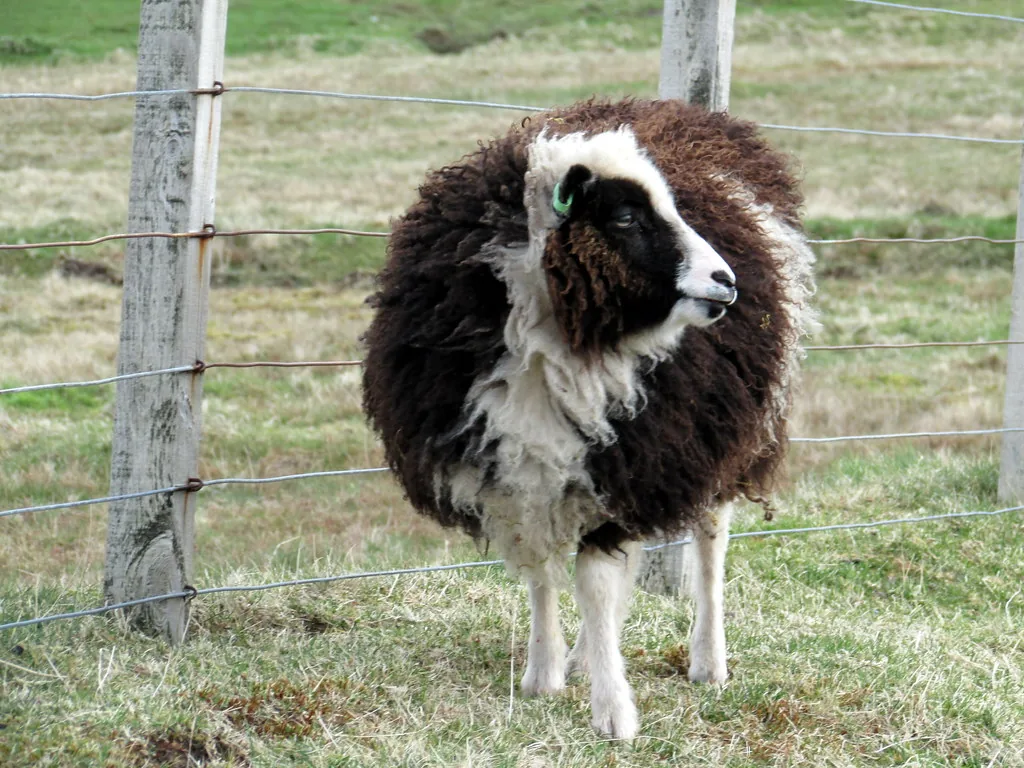
Sheep are flock animals and get stressed alone, so plan for at least three. If you’re fitting them into a small property, our guide to homesteading on an acre shows how livestock fits alongside a garden.
Best Sheep Breeds by Climate
| Climate | Good choices | Why |
|---|---|---|
| Hot and humid | Katahdin, St. Croix, Dorper | Shed their coats; better parasite tolerance |
| Hot and dry range | Dorper, Rambouillet, Merino | Thrive on sparse forage; handle drought |
| Cool and wet | Romney, Cheviot, Border Leicester | Resist foot rot; fleece copes with rain |
| Cold winters | Icelandic, Shetland, Jacob | Very cold hardy, especially unshorn |
In the Southern Hemisphere, Merinos dominate Australia and dual-purpose breeds like Corriedale and Romney are common in New Zealand, so local breeders and stock are easy to find there.
How to Choose the Right Sheep Breed
- Decide your main goal. Meat, wool, milk, grazing or pets. Dual-purpose breeds are a safe middle ground.
- Match your climate. Hair sheep for heat and humidity, long-wool and hill breeds for cold and wet.
- Be honest about labor. Wool sheep need shearing and more fly control. Hair sheep save work.
- Consider size and temperament. Smaller, docile breeds like Shetland, Babydoll and Katahdin suit beginners and families.
- Buy local, healthy stock. A breed that’s common near you is easier to buy, breed and get advice on.
Thinking of selling lambs or fleece? Our guide to the most profitable farm animals looks at how sheep compare with goats, pigs and poultry. If you keep sheep alongside goats, see what goats can eat: the two species have different mineral needs, especially copper.
Copper warning: sheep are very sensitive to copper. Don’t feed them goat, cattle or horse minerals or feeds with added copper, and ask your vet or extension office about a sheep-safe mineral.
Helpful gear for this guide
Handy picks that match the advice above.
Links go to Amazon. Prices and availability change, so check reviews and fit for your setup before buying.
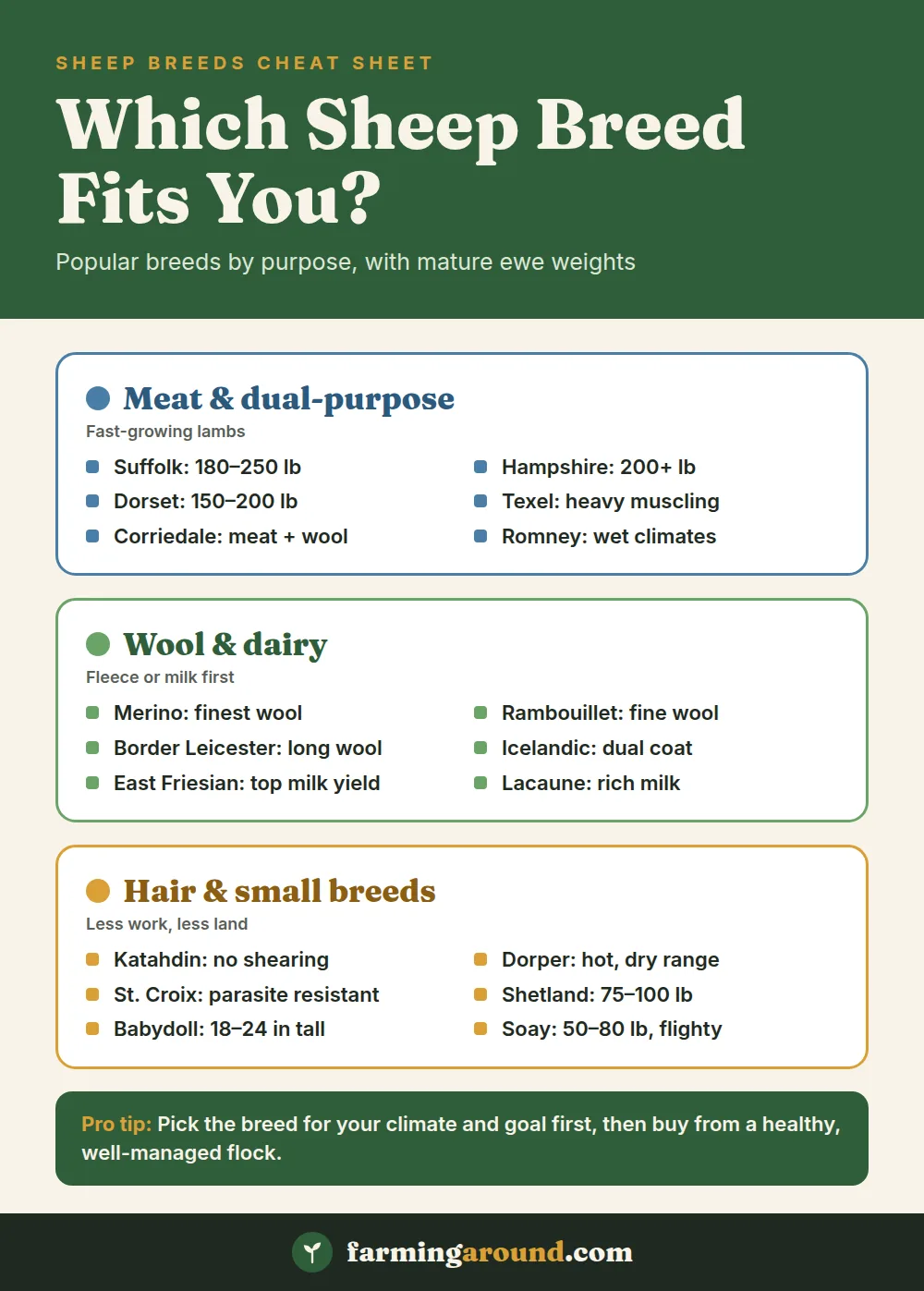
At a Glance: Sheep Breeds by Purpose
FAQ
How many sheep breeds are there?
Estimates vary with how breeds are counted, from several hundred to more than 1,000 worldwide. The American Sheep Industry Association recognizes about 47 breeds in the United States.
What is the best sheep breed for beginners?
Katahdin is a popular beginner choice because it’s docile, hardy and needs no shearing. Shetland and Babydoll Southdown are good small, calm options if you want wool.
Which sheep breeds don’t need shearing?
Hair sheep, including Katahdin, Dorper and St. Croix, shed their coats naturally each year. Some primitive breeds like Soay also shed and can be hand-plucked.
What is the smallest sheep breed?
Among common breeds, Soay (50–80 lb) and Shetland (ewes 75–100 lb) are among the smallest, and Babydoll Southdowns stand only 18–24 inches tall. Dwarf breeds such as the Ouessant are smaller still but rare.
What is the best sheep breed for meat?
Suffolk, Hampshire, Dorset and Texel are the leading meat breeds, and Dorper and Katahdin are excellent hair-sheep meat breeds.
Which sheep breed produces the most milk?
The East Friesian has the highest recorded average milk yield of any sheep breed. The Lacaune gives similar volumes with richer milk.
Sources
- Breed Selection (Sheep 201, University of Maryland Extension specialist Susan Schoenian)
- Hair Sheep (Sheep 201)
- Heritage Sheep Breeds (The Livestock Conservancy)
- Introduction to Sheep Breeds (Cornell Small Farms Program)
Breed traits vary between flocks. For health, feeding and mineral questions, talk to a vet who treats sheep or your local extension office.

2 Comments