
Last updated: October 2026
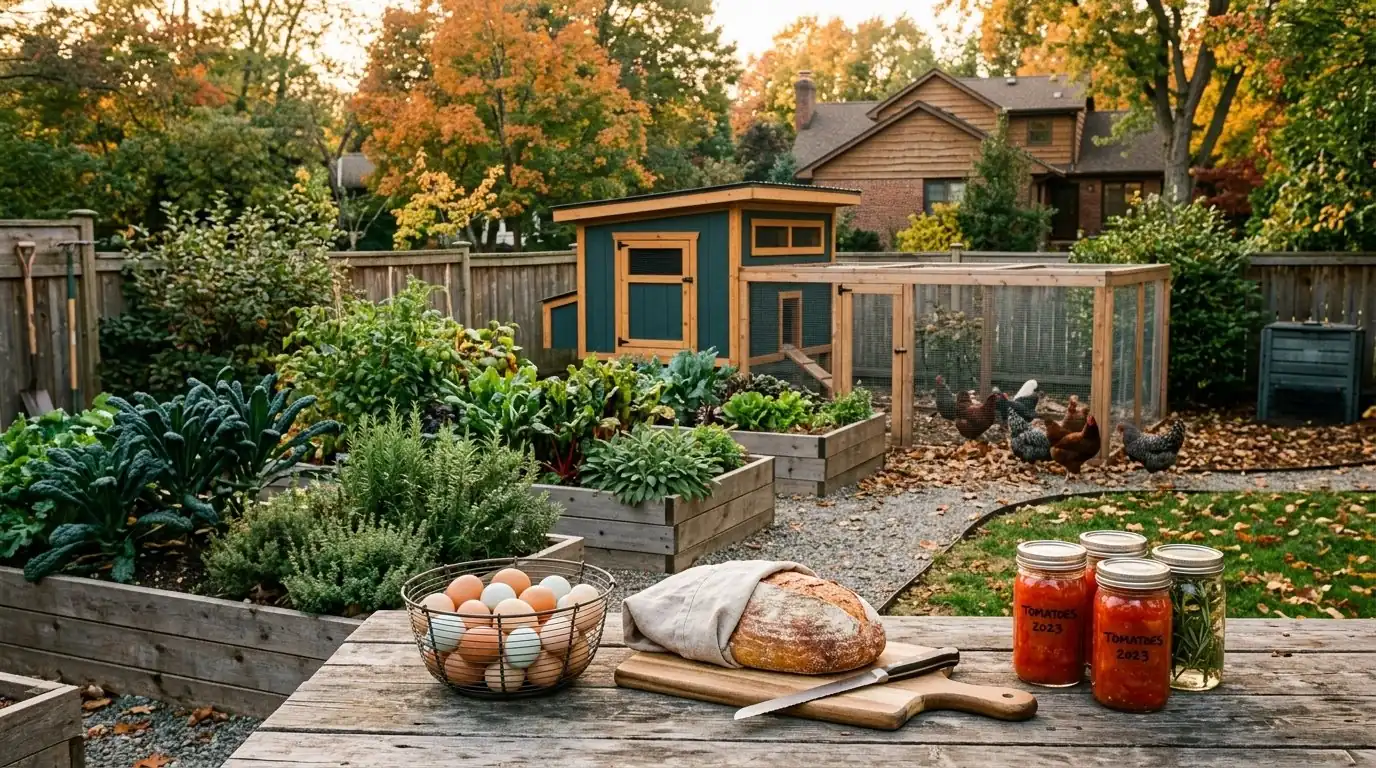
Homesteading is no longer a niche lifestyle. A 2026 homesteading report from Tractor Supply Co. finds that more Americans are growing their own food, keeping chickens and learning traditional skills, and rising grocery prices are a big reason why. Here’s what the report found, what’s driving the trend, and how you can get started this season.
Key takeaways
- 86% of respondents say rising grocery prices influenced their interest in producing their own food.
- Median savings are about $480 a year, and poultry keepers report the most, about $1,200.
- Growing vegetables, fruit or herbs (73%) is the most common activity. You don’t need acres to start.
- YouTube (62%) is the top place new homesteaders learn, followed by friends and family (59%).
In this guide
Key Findings From the 2026 Homesteading Report
The report, released in June 2026, surveyed 1,000 US adults who currently homestead or are interested in starting. It has a stated margin of error of ±3%.
| Finding | Result |
|---|---|
| Say rising grocery prices influenced their interest in producing their own food | 86% |
| Median annual savings reported by homesteaders | $480 |
| Median annual savings reported by poultry keepers | $1,200 |
| Report improved personal pride or confidence | 89% |
| Report enhanced creativity | 85% |
| Report a greater sense of security and self-sufficiency | 83% |
Figures are self-reported by survey respondents.
What Modern Homesteaders Are Actually Doing
The most common activities in the survey:
- Growing vegetables, fruit or herbs: 73%
- Indoor gardening: 59%
- Baking from scratch: 57%
- Food preservation (canning, freezing, dehydrating): 42%
- Sewing or mending clothing: 36%
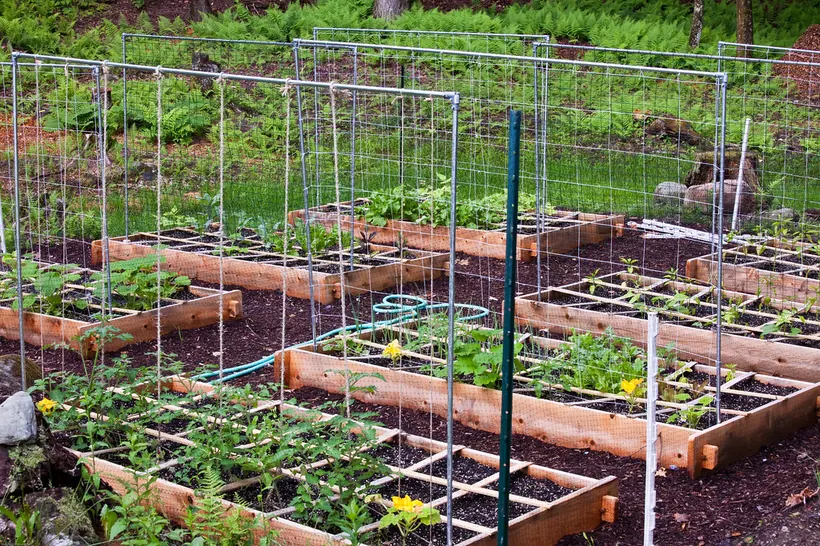
Notice what’s missing from the top of the list: acres of land. Most modern homesteading happens in backyards, kitchens and even apartments. For the full picture, see our explainer what is homesteading?
Why People Are Homesteading in 2026
- A hobby and creative outlet: 48%
- Fresher, healthier food: 44%
- Saving money on groceries: 41%
Food costs are a major driver, but most people also homestead because they enjoy it. The survey found that confidence, creativity and feeling more secure are among the biggest rewards.
Chickens Deliver the Biggest Savings
Poultry keepers reported the highest median savings in the survey, around $1,200 a year. Eggs are a staple, and a small laying flock can produce several dozen a month in peak season. Keep in mind that startup costs (coop, fencing, feeders) are real, and savings depend on flock size, feed prices and how many eggs you use or sell. Our guide to raising chickens for beginners breaks down realistic costs.
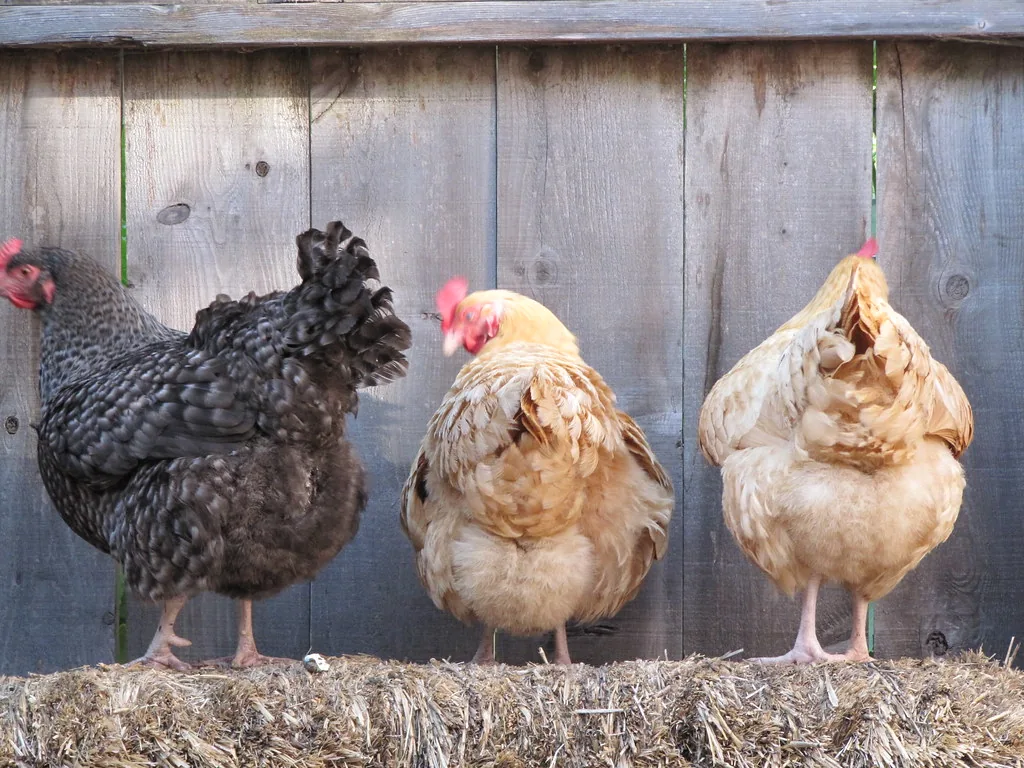
Timely note: if you keep poultry, autumn migration raises bird flu risk. See how to protect backyard chickens from bird flu this fall.
How New Homesteaders Learn
According to the report, YouTube is the top learning source (62%), followed by friends and family (59%), then blogs, books, TikTok and Facebook. Younger homesteaders are also using AI tools to plan gardens and learn skills. Whatever the source, the best teacher is still hands-on experience: start small, keep notes and learn from each season.
How to Join the Homesteading Movement This Fall
Autumn is a great time to start. Here are six easy first steps:
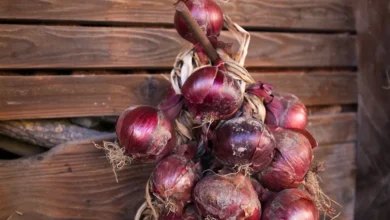
- Plant garlic. It goes in the ground now and is ready next summer. See how to grow garlic.
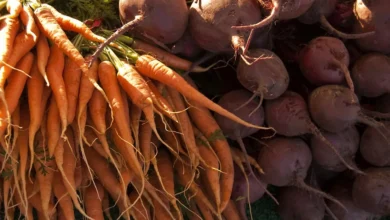
- Grow a fall garden. Cool-season greens and roots thrive in autumn. See fall garden vegetables to plant now.
- Start composting fallen leaves and kitchen scraps for next year’s beds. Our guide on how to build a compost pile shows simple setups.
- Preserve the harvest: freeze, dehydrate or can what you grew.
- Bake from scratch. Bread is an easy win for your homestead kitchen.
- Plan for spring chicks, so the coop is ready before you bring birds home.
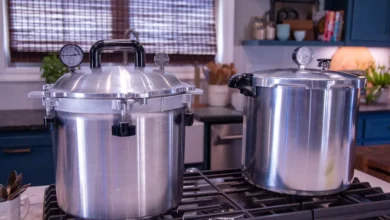
Pro tip: if you’re new to canning, use research-tested recipes and process times from the USDA or the National Center for Home Food Preservation. Low-acid foods like plain vegetables need a pressure canner, not a water bath. See our guide to pressure canning for beginners.
Watch: First Steps to a Self-Sufficient Homestead
For a visual starting point, this video covers first steps toward self-sufficiency without needing a farm.
The Bottom Line
The 2026 data points to a clear trend: people want more control over their food, their budgets and their skills. You don’t need a farm to take part. A few raised beds, a small flock or a pantry of home-preserved food is where most modern homesteads begin. Ready to plan something bigger? Our guide to homesteading on an acre shows what’s possible.
Quick Reference: Homesteading Trends 2026
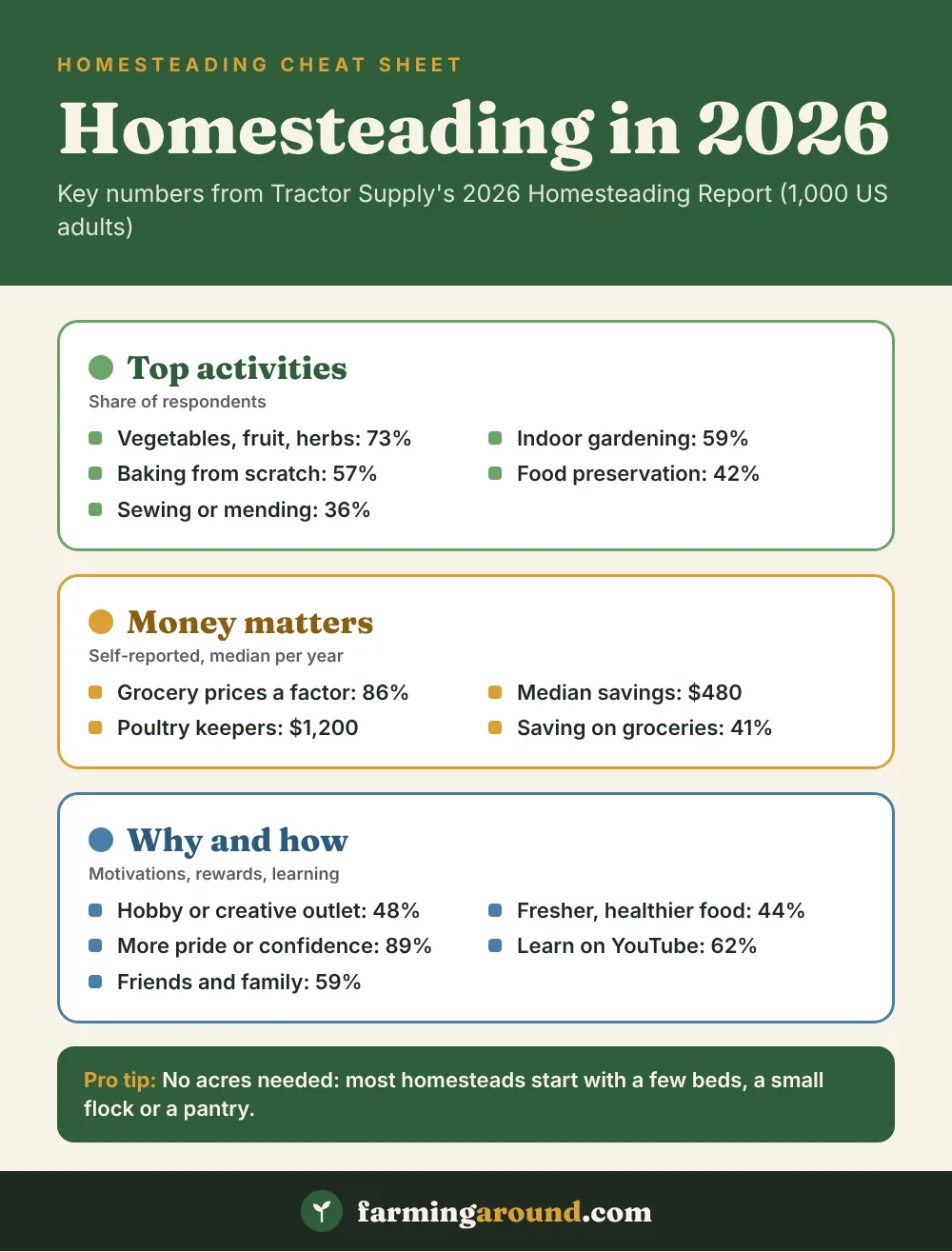
Here are the report’s headline numbers in one chart you can save.
FAQ
Who published the 2026 homesteading report?
Tractor Supply Co. released the report in June 2026, based on a survey of 1,000 US adults who homestead or are interested in starting.
How much money do homesteaders save?
Respondents reported a median of about $480 a year, while poultry keepers reported about $1,200. These are self-reported figures and vary widely.
What is the most popular homesteading activity?
Growing vegetables, fruit or herbs (73% of respondents), followed by indoor gardening and baking from scratch.
Why are more people homesteading in 2026?
The top reasons in the survey were a hobby or creative outlet (48%), fresher, healthier food (44%) and saving money on groceries (41%). 86% said rising grocery prices influenced their interest.
Do you need land to start homesteading?
No. The most common activities, like growing vegetables or herbs, indoor gardening, baking and food preservation, fit in a backyard, kitchen or apartment.
Source
Findings as reported in “2026 Homesteading report shows increase in Americans choosing self-sufficiency” (The Poultry Site), summarizing Tractor Supply Co.’s 2026 homesteading survey.
- The 2026 Homesteading Report (Tractor Supply Co., original report)
- Ensuring Safe Canned Foods (National Center for Home Food Preservation)
This article is general information. For flock health questions, talk to a vet who treats poultry; for food preservation or growing advice, contact your local extension office.